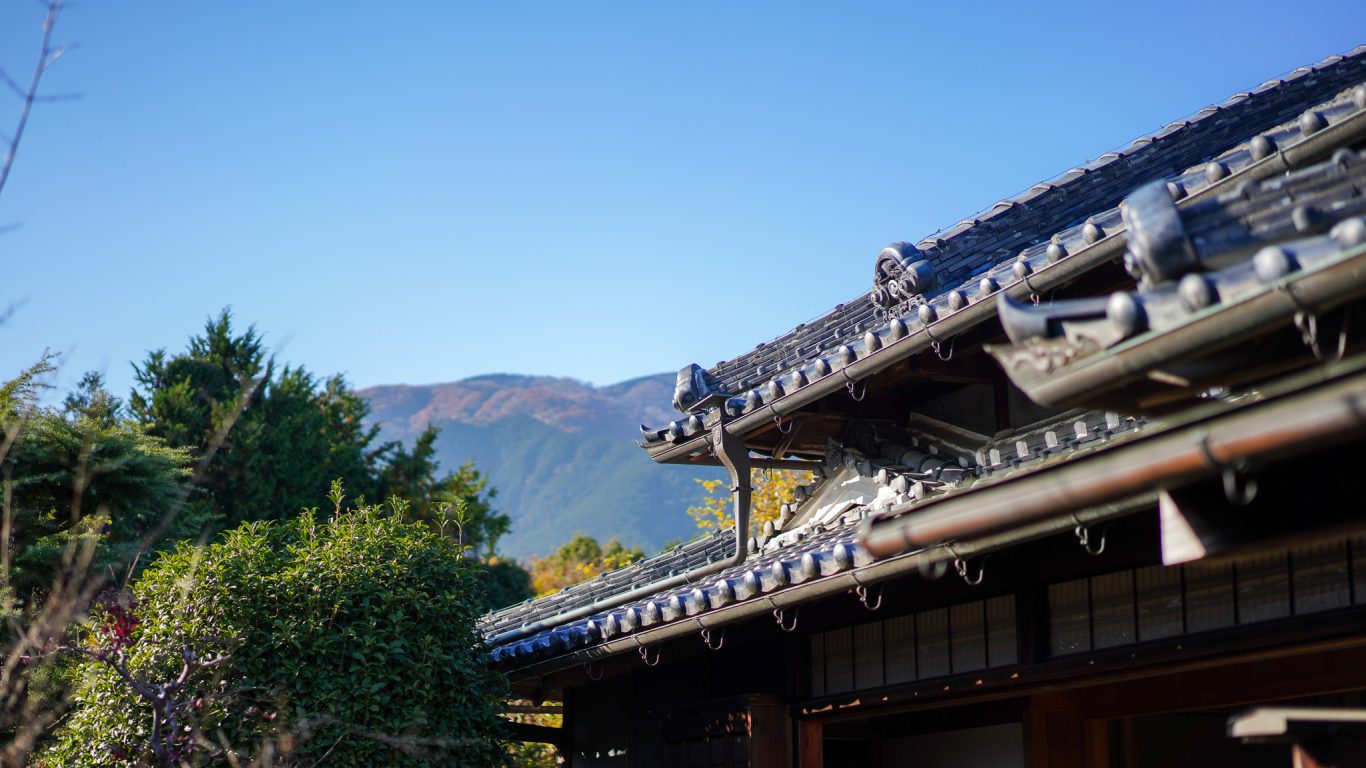
The essence of wooden architecture lies undeniably in the allure of wood itself. This topic is vast and profound, but for the first installment, we will focus on the unique features and value of wood in wooden construction, as well as the craftsmanship that brings it to life.
The Three Main Types of Construction in Japan
Japanese architectural structures can be broadly categorized into three types:
- Wooden construction
- Reinforced concrete construction (RC)
- Steel construction (S)
Among these, wooden architecture stands out for its unique character and charm, primarily driven by the natural qualities of wood and the exceptional skills of artisans who work with it.
What Defines Balance in Architecture?
When evaluating a building, balance is a critical aspect. This isn’t merely about the size of structural materials or the presence of intricate decorations but rather a holistic assessment of the building’s attributes, including its design, seismic resistance, durability, and elegance.
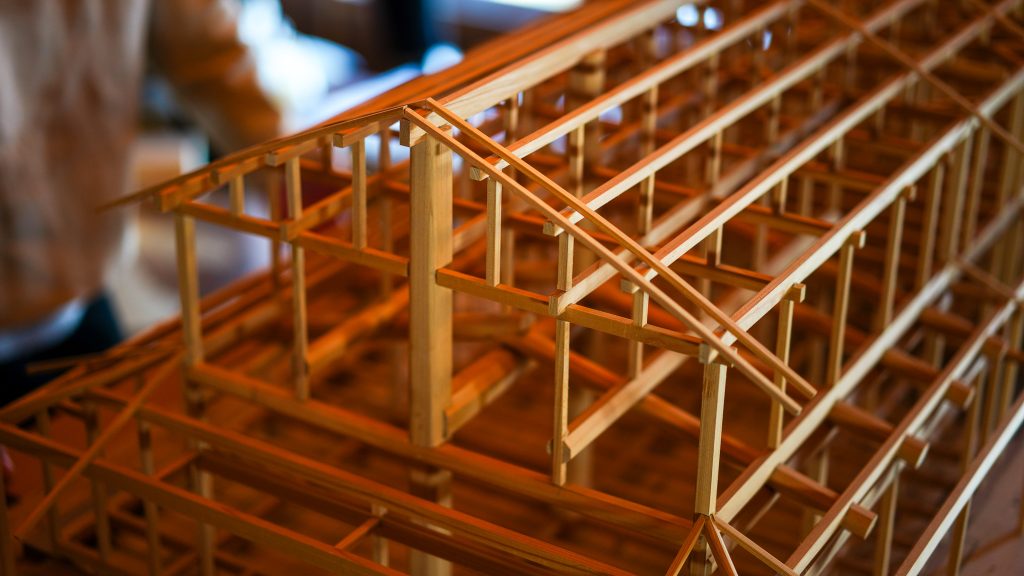
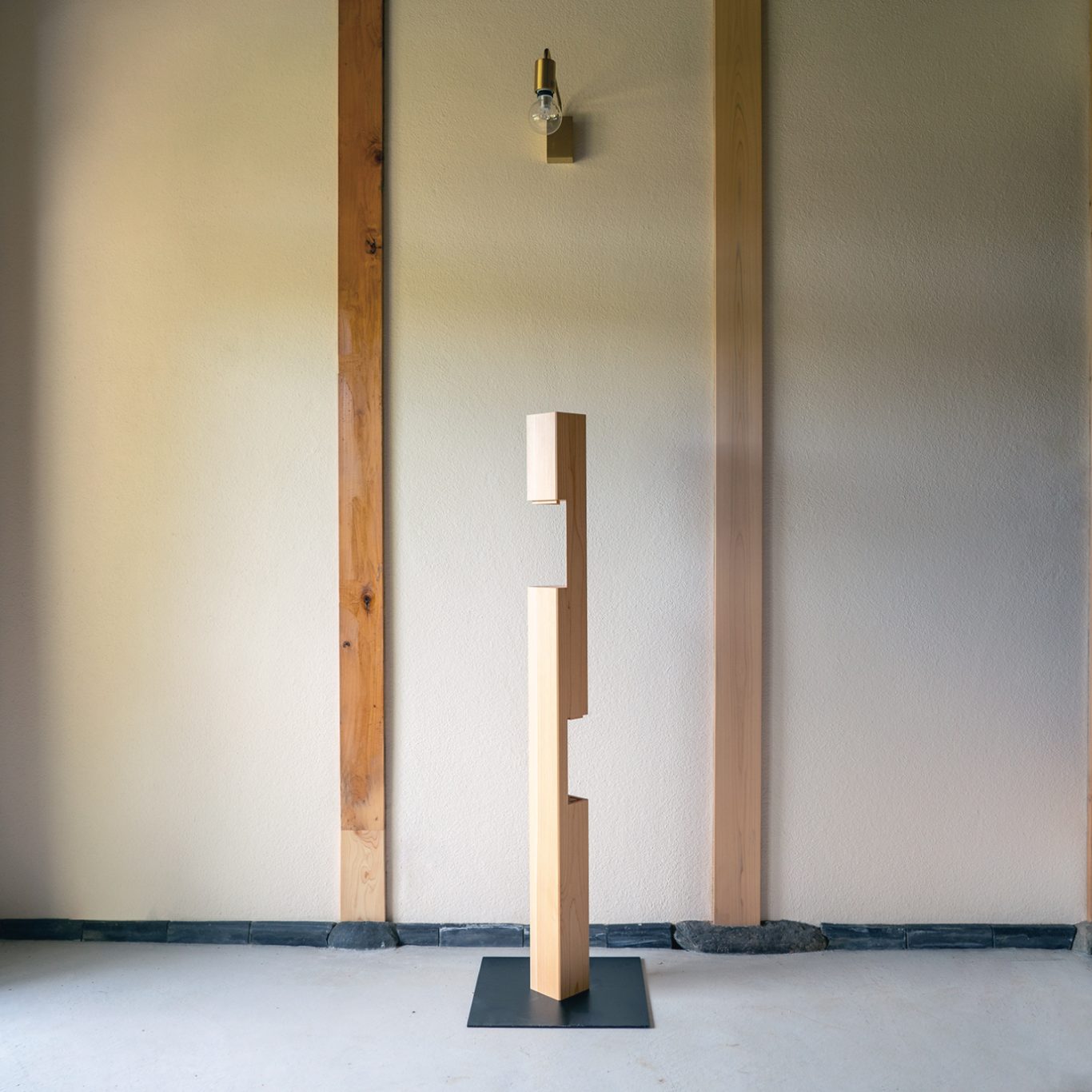
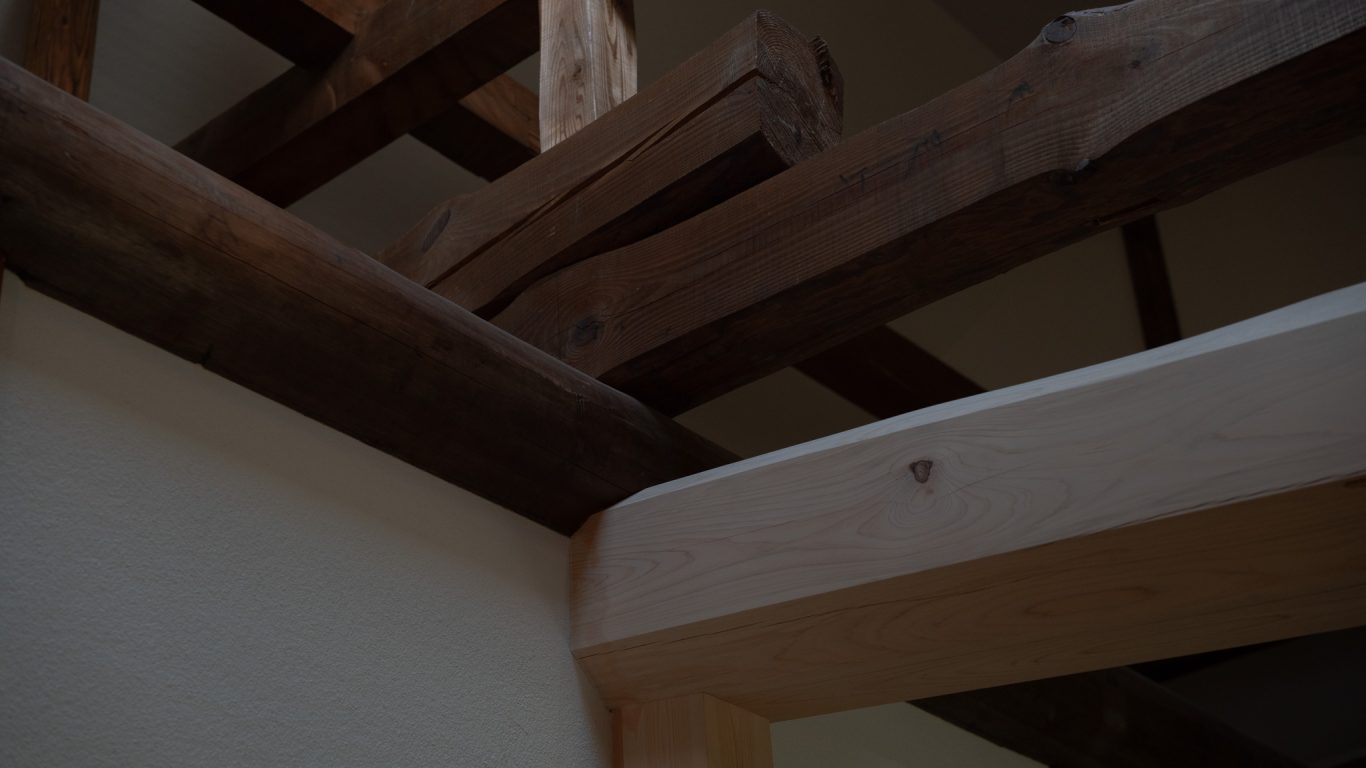
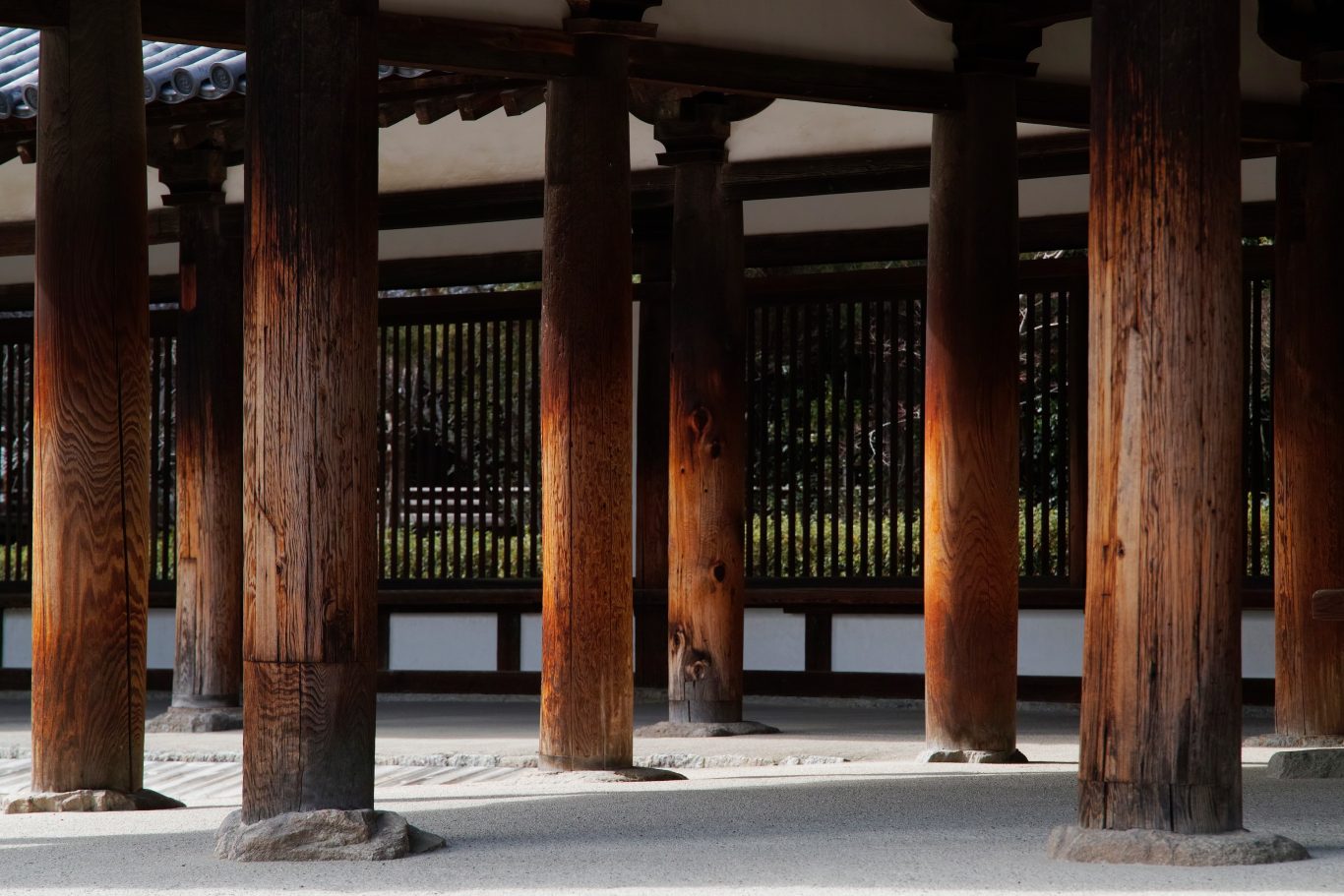
In wooden architecture, the quality of the wood, its placement, species, grain patterns, and how its individuality is emphasized all become key evaluation criteria. It is the craftsmanship that highlights the inherent beauty of the wood, bringing out its full potential, which defines the true value of wooden architecture.
The Value and Use of Wood
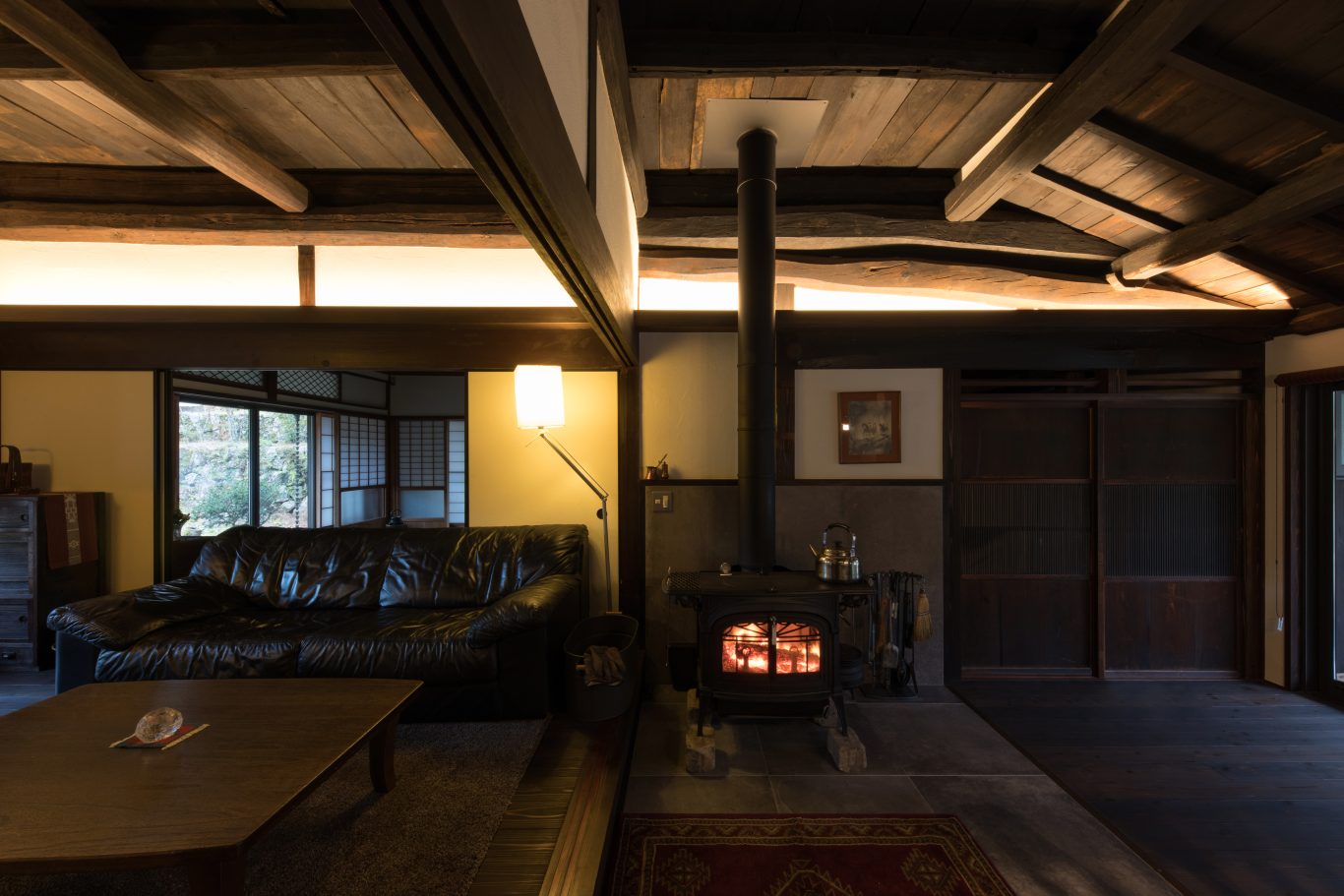
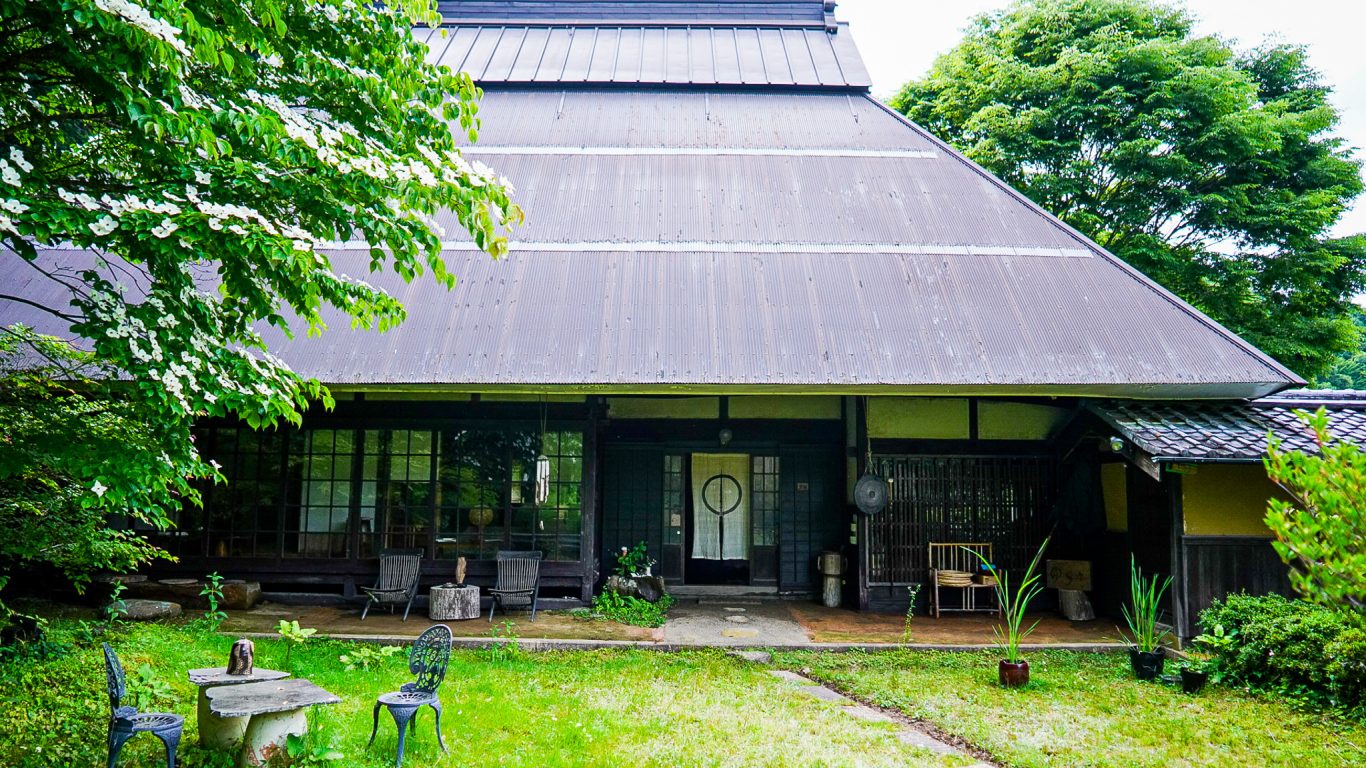
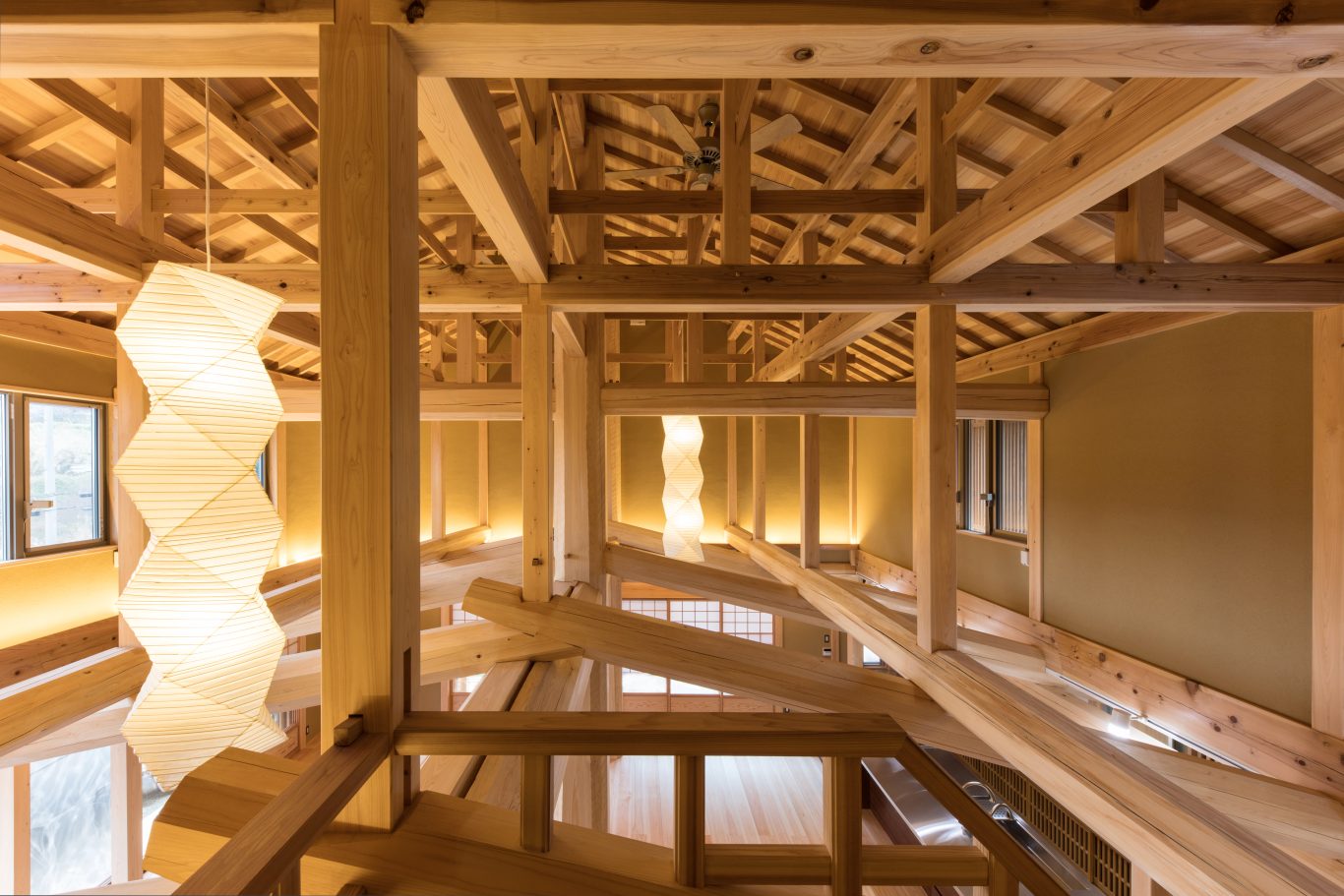
In modern housing, designs often conceal beams and columns, making it challenging to fully appreciate the intrinsic value of wood. In contrast, traditional Japanese homes and farmhouses frequently feature large, unspliced timber pieces, sometimes as long as 15–16 meters, which vividly reflect the energy and effort embedded in the material.
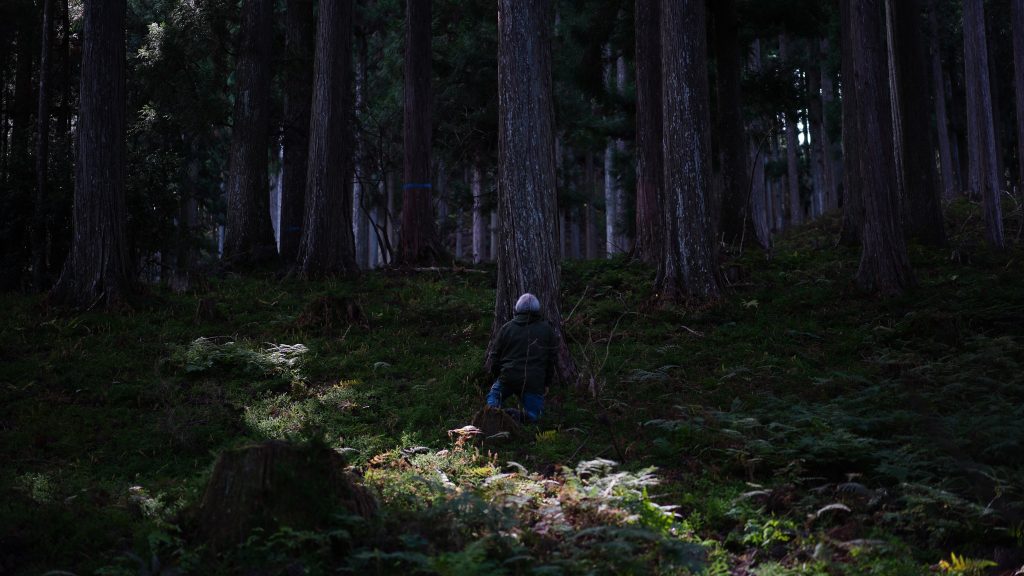
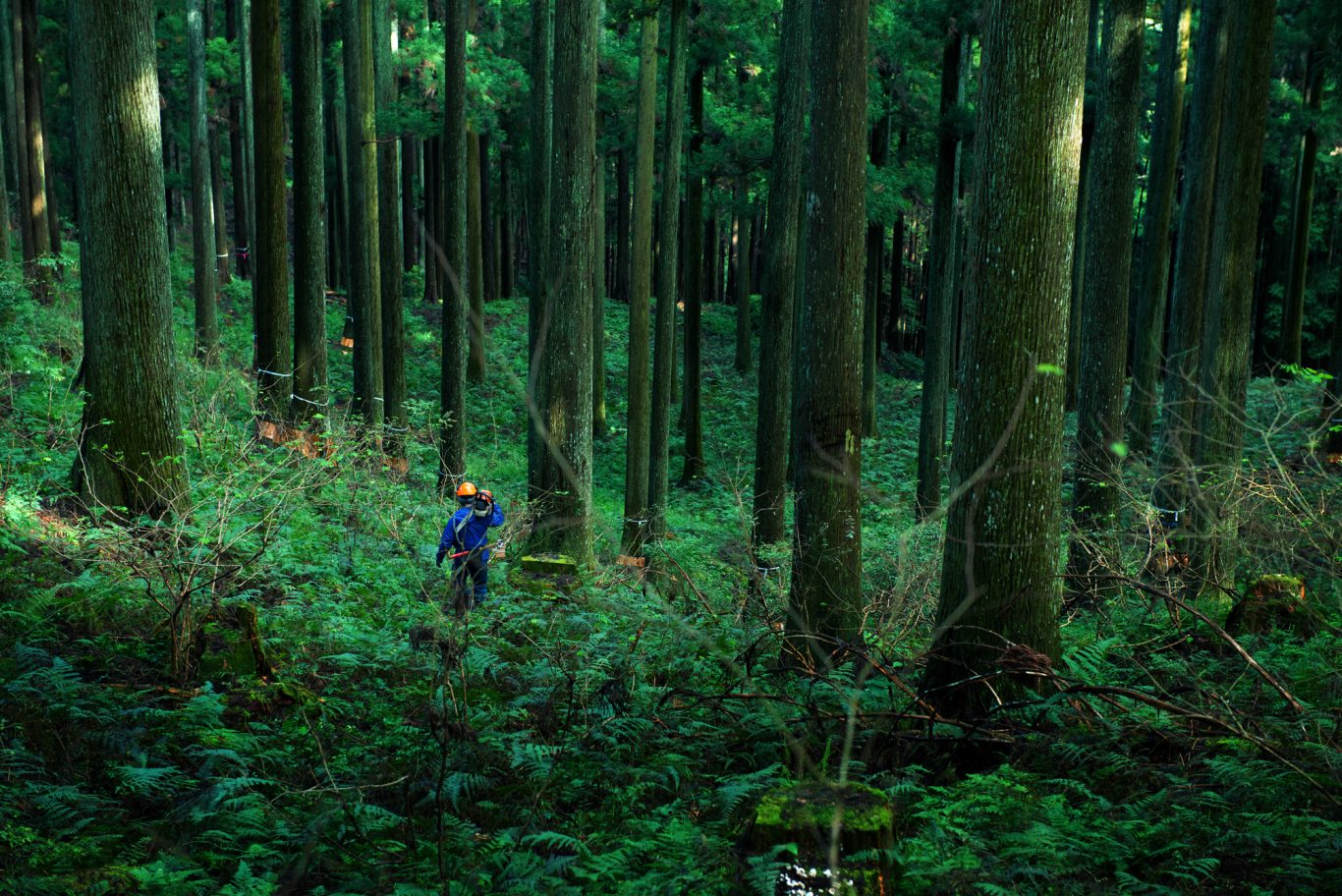
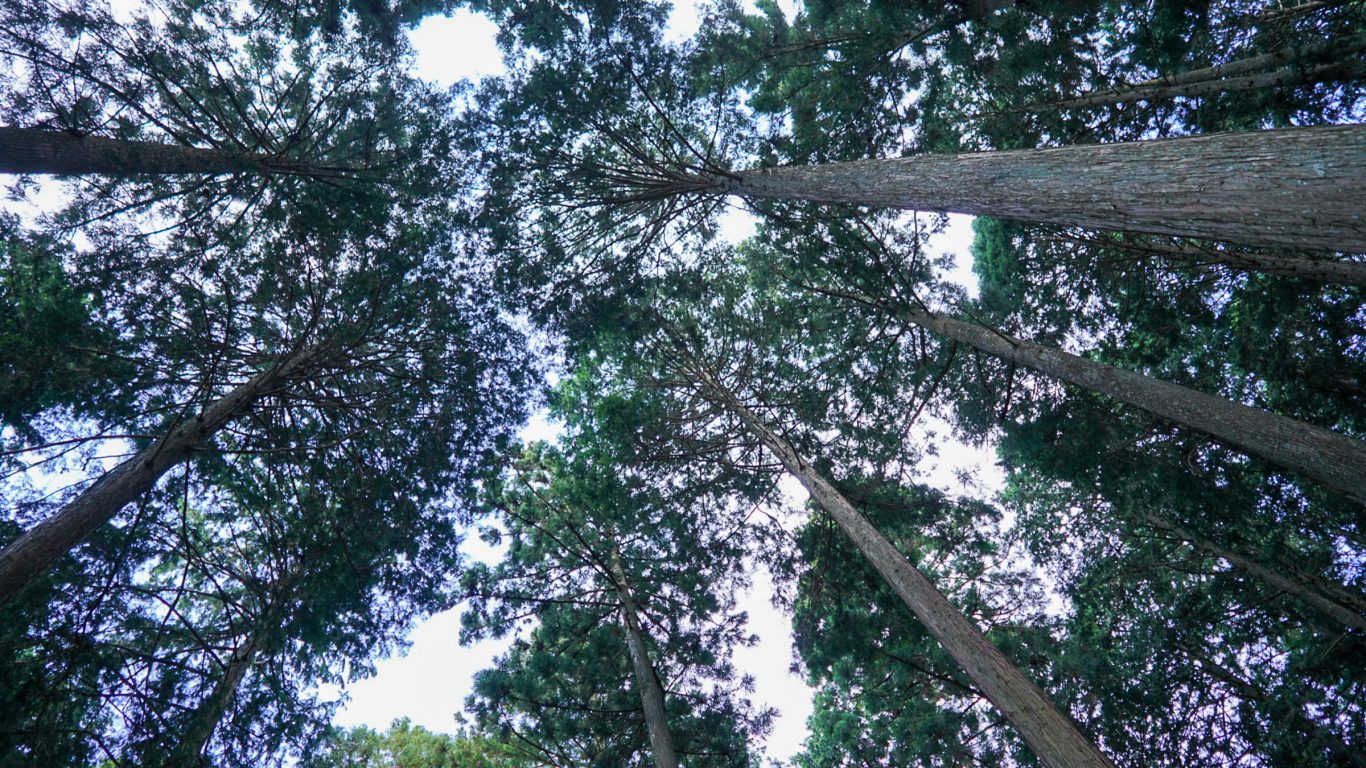
For instance, when using timber personally felled by oneself or close acquaintances, a deep sense of connection and respect for the material arises. Knowing the origin of the wood—where it grew, who felled it, and how many years it took to mature—fosters a greater appreciation and care for it.
What Makes Wooden Architecture Special?
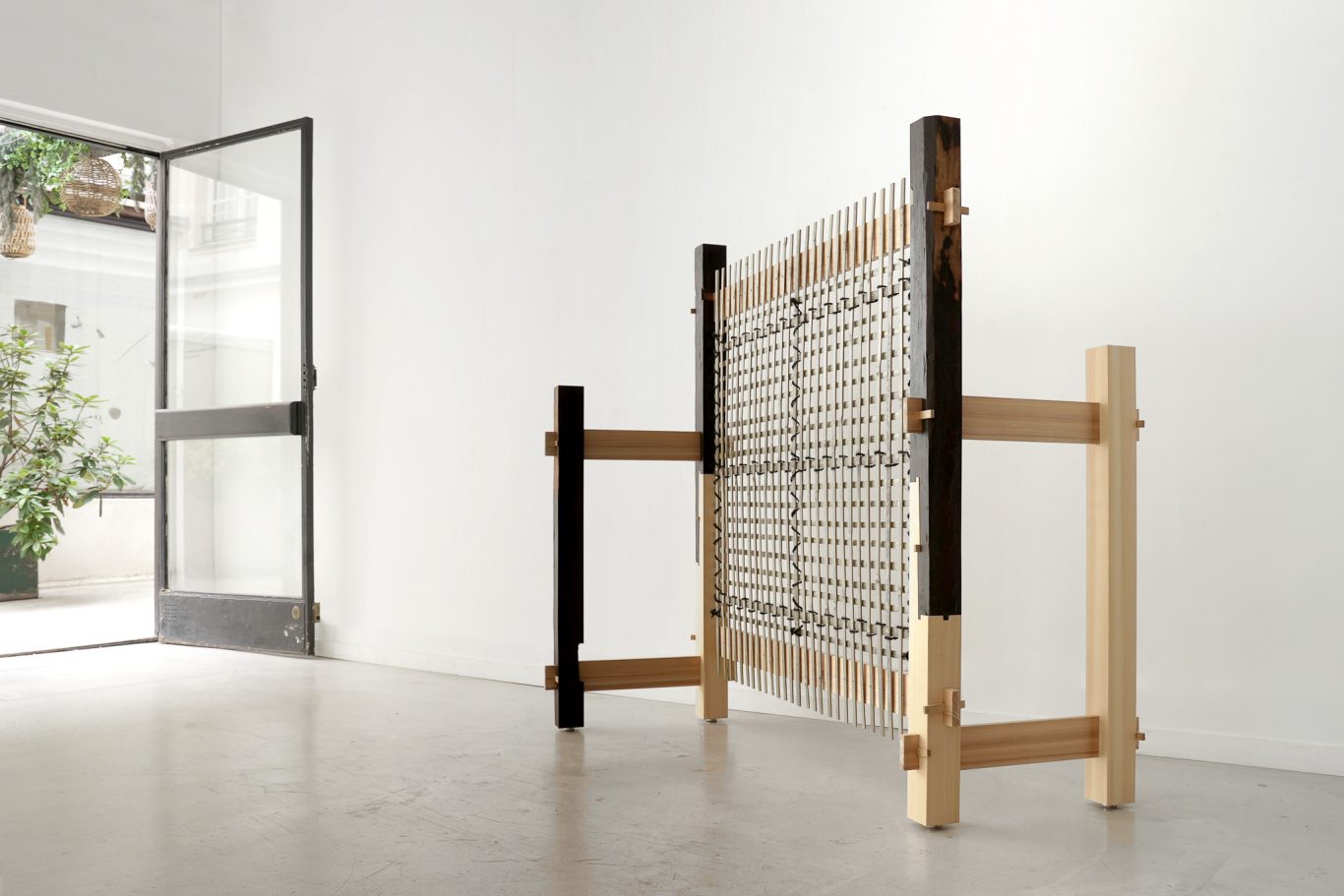
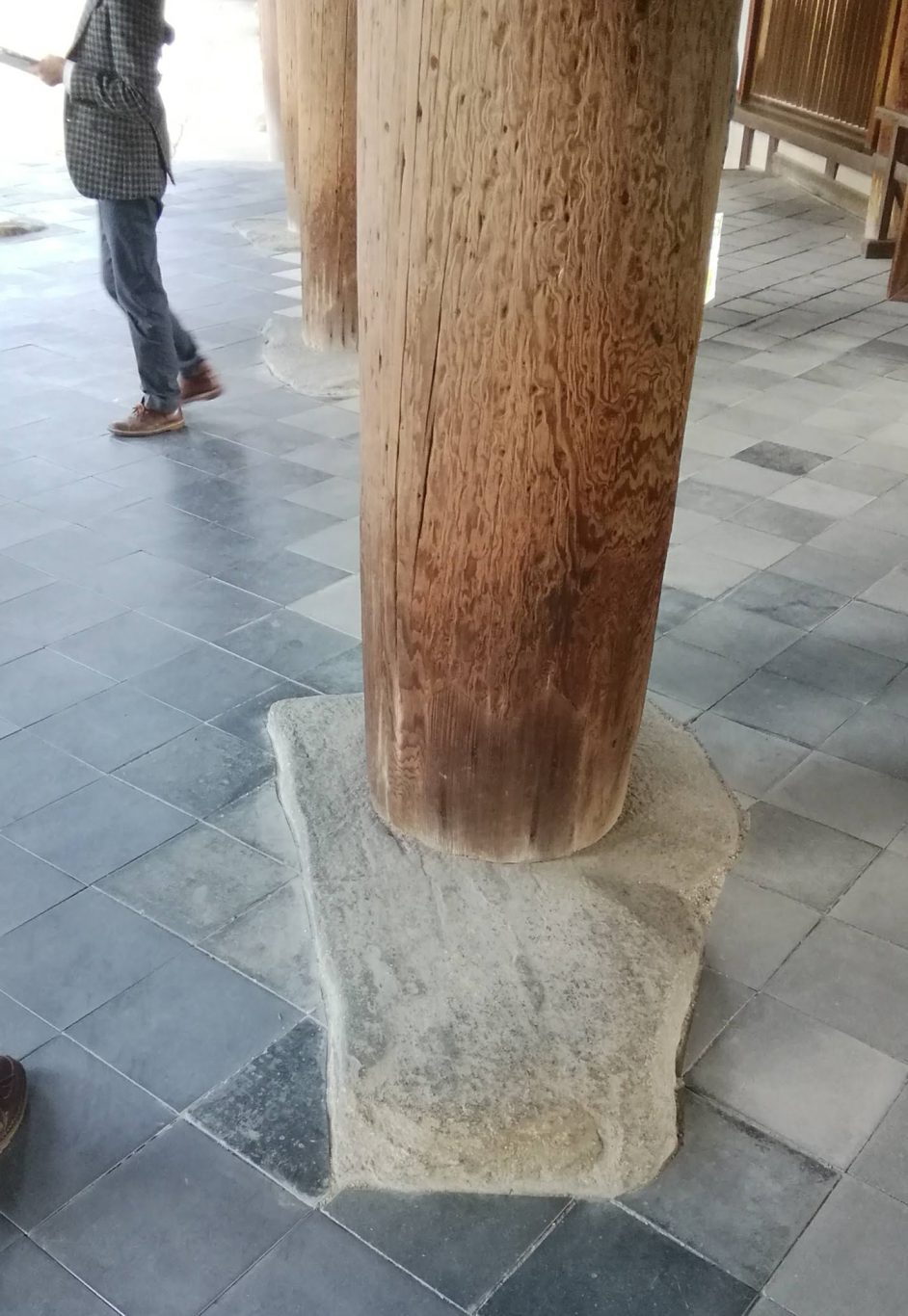
Wooden architecture thrives on the synergy between the inherent strength of wood and the artisan’s ability to accentuate its uniqueness. Craftspeople meticulously work to highlight the natural grain of wooden columns, for example, showcasing details that are distinct to this form of construction. This harmonious combination forms the unparalleled charm of wooden buildings.
The Perception of Wood and Its Future
In the next 20–30 years, advances in AI may significantly reshape societal values. In such a future, elements like nature and wood—things beyond human creation—may gain even greater appreciation. Wooden architecture, as a medium that embodies a part of living nature, will likely retain its unique value as a timeless entity, carrying the spirit of wood into an ever-evolving world.
Hitoshi Sato(Architect / CEO of Mokuzo-architect COCHI)
Mokuzou-architect COCHI do not buy the timber for their construction-projects from timber-markets, instead going to the mountains to buy directly from their trusted mountain foresters. With the slogan "To leave the world a beautiful landscape for 300 years to come", the company builds beautiful and resilient houses using the best materials, techniques, and designs. To build awareness of the origins of these trees, grown and tended by many generations of Yamamori, Kochi has started a tour that connects the mountains with the people who live in these special wooden houses.