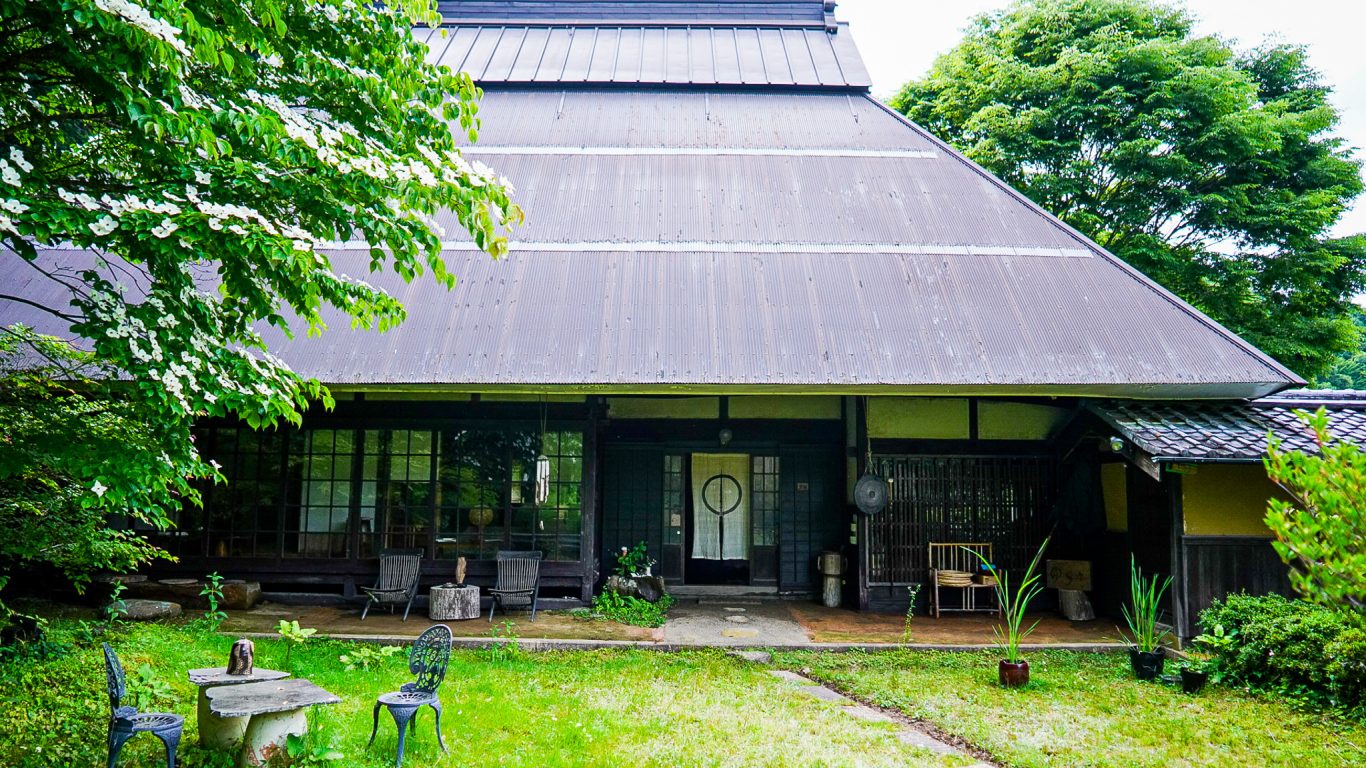
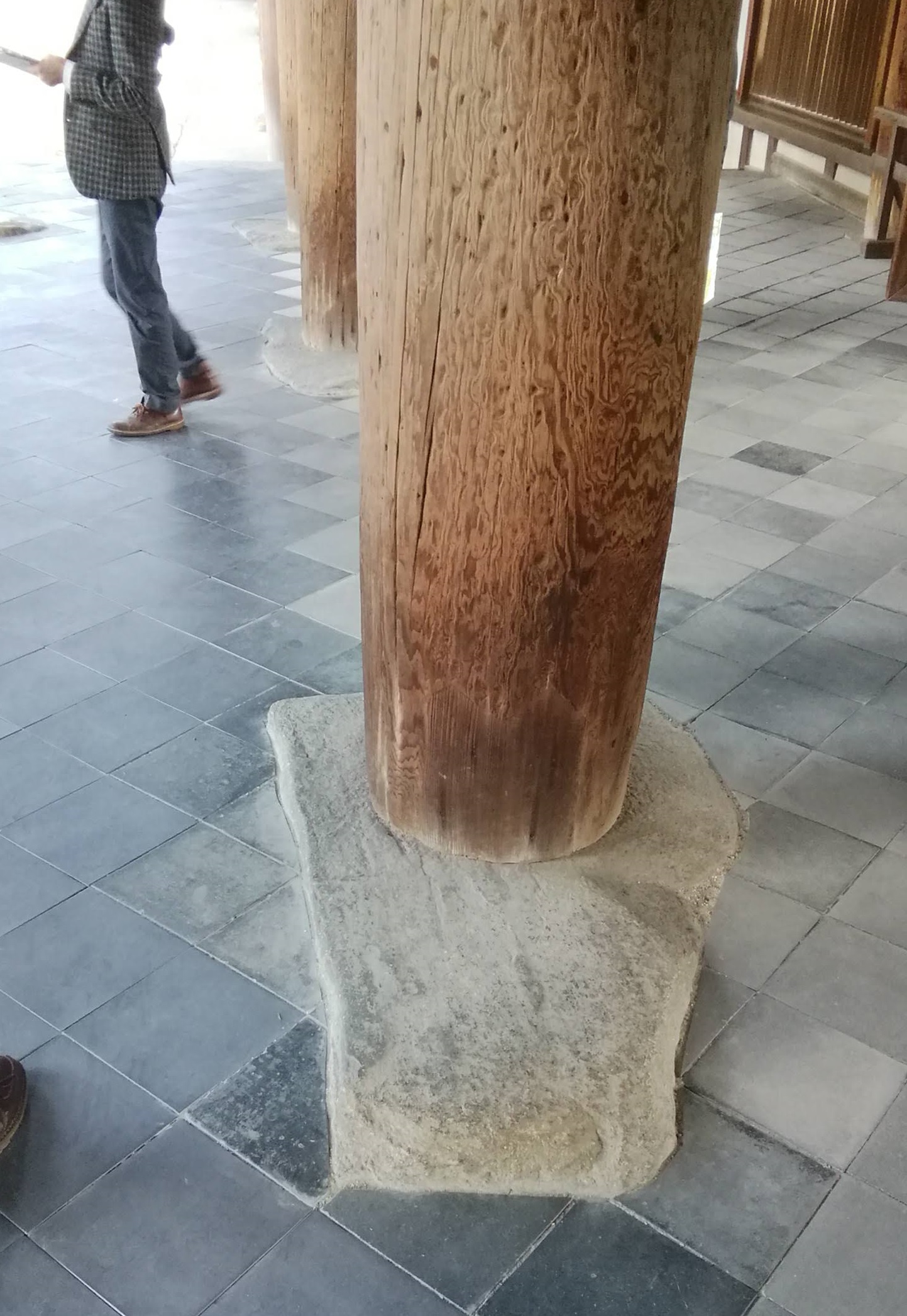
Traditional Japanese ishibadate construction, or stone-foundation building, is highly effective in preventing termite infestations. By examining termite behavior and the unique features of ishibadate architecture, we can understand why this traditional method remains one of the best strategies for termite prevention.
1. Fewer Entry Points for Termites
One key difference between ishibadate and modern construction methods lies in how the building’s weight is supported:
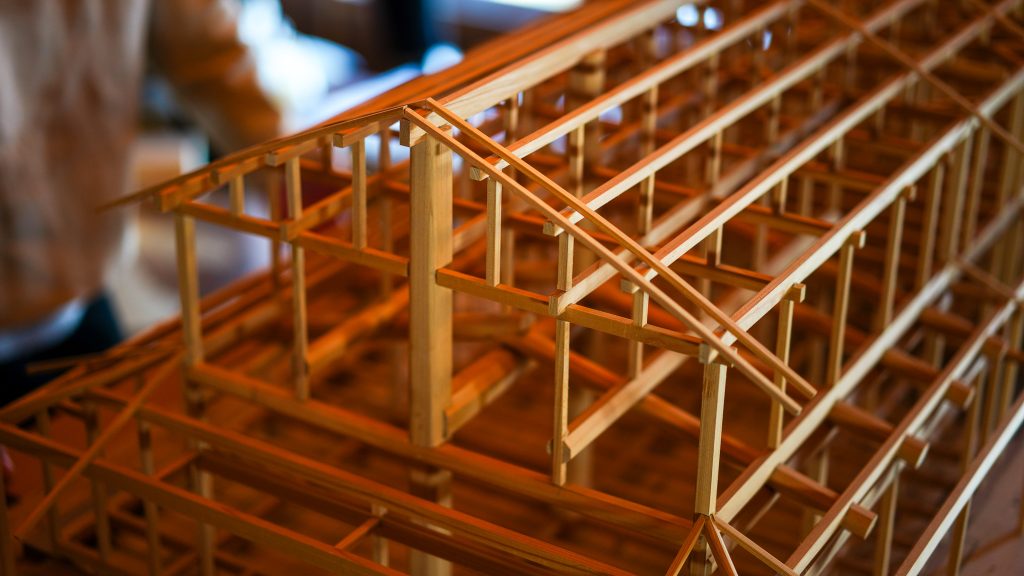
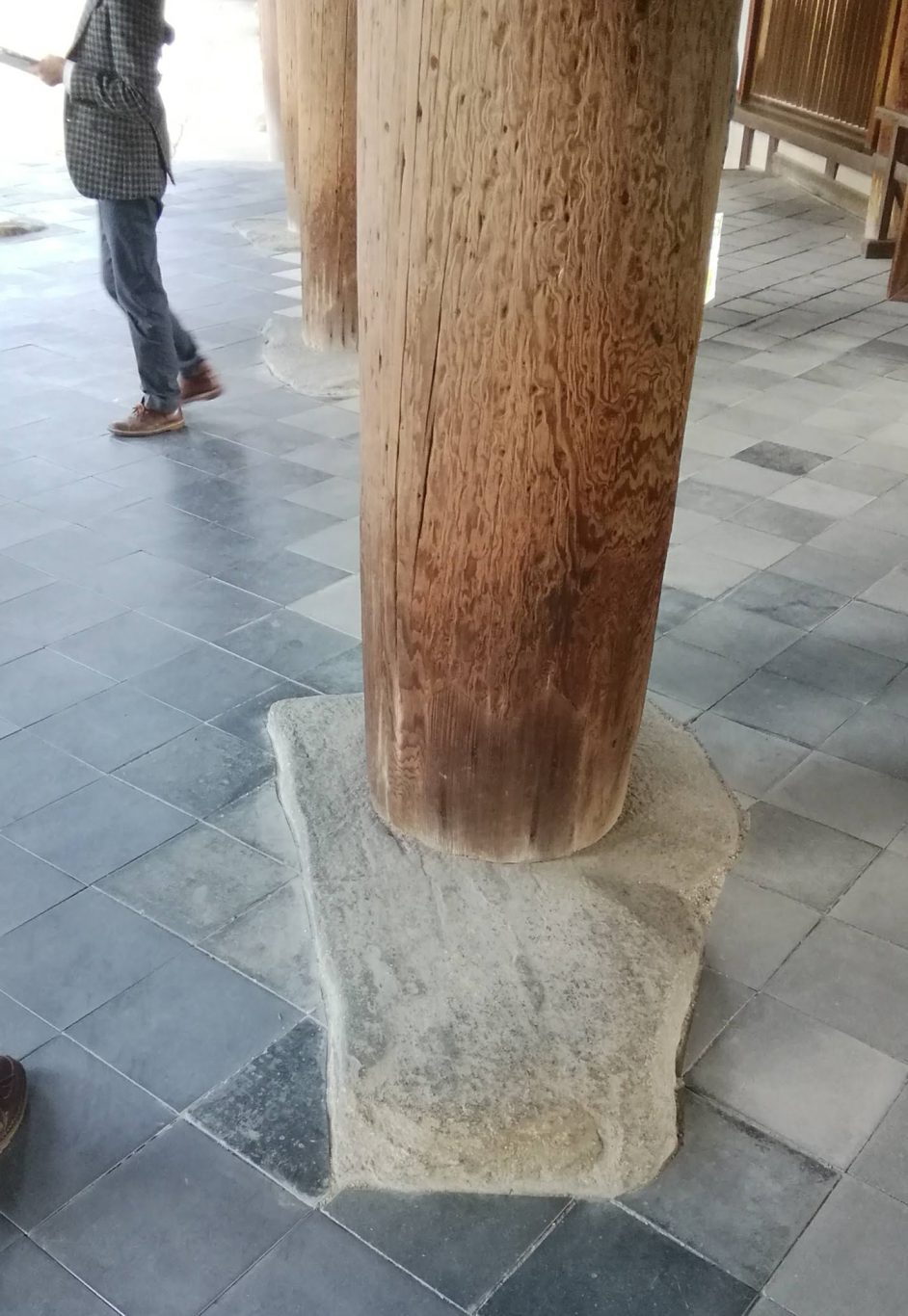
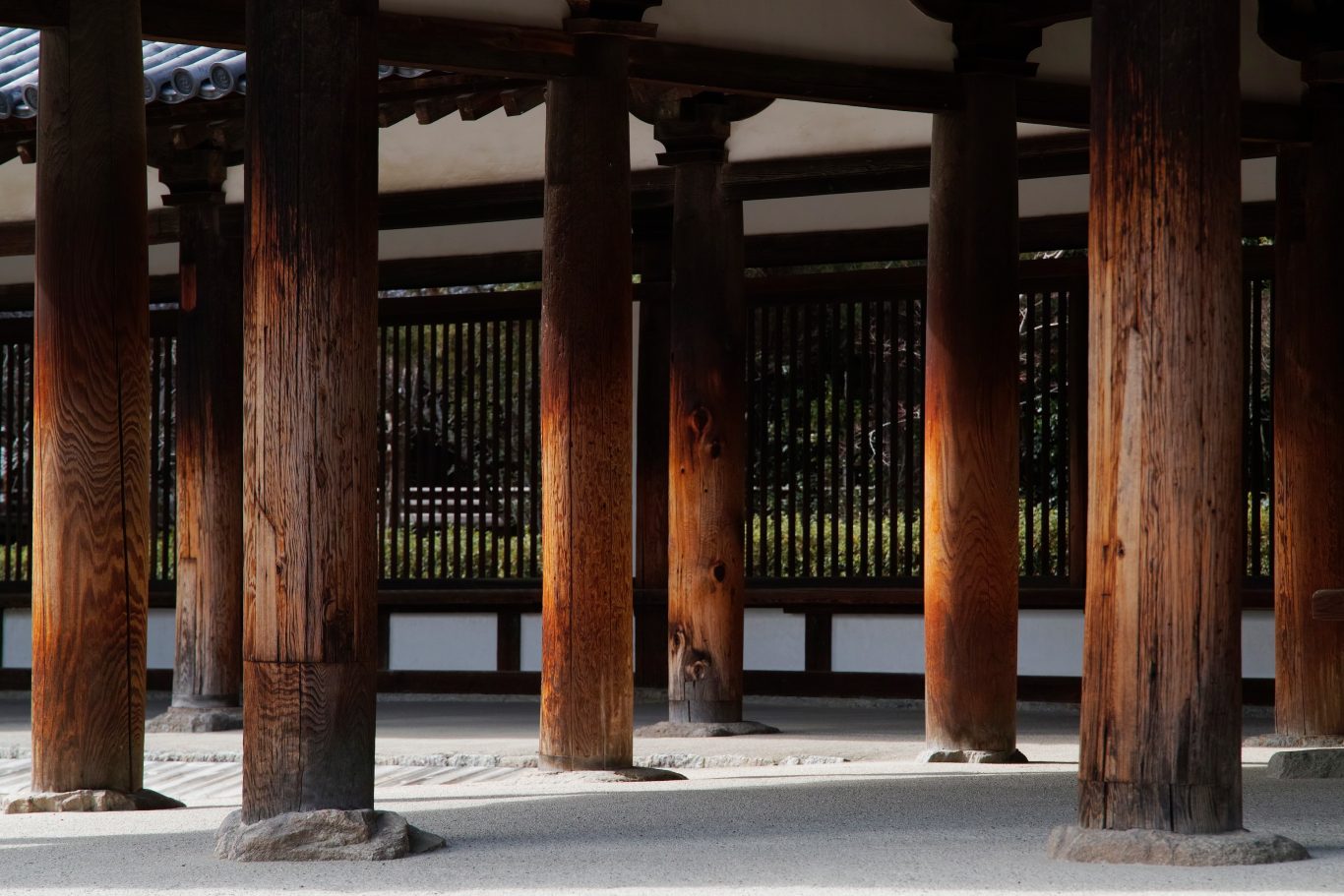
- Stone-Foundation Construction: Columns rest directly on individual stones, with the building’s weight supported at discrete points.
- Modern Construction: The foundation supports the building’s weight along continuous lines or surfaces.
This difference significantly reduces the potential entry points for termites in ishibadate, as they rely on cracks or edges for infiltration.
2. Easier Detection of Termite Activity
The design of ishibadate structures creates a natural barrier between wooden columns and the ground, with stones serving as an intermediary. This setup offers two critical advantages:
- Termites Cannot Burrow Through Stone: Termites are unable to eat or penetrate stone. To reach the wooden columns, they must construct visible mud tubes (gido) on the stone’s surface.
- Early Detection: These mud tubes, which are about the diameter of a straw, can be easily spotted during routine inspections. Because ishibadate limits termite access to specific points, infestations can be identified and treated quickly, minimizing damage.
3. Natural Ventilation Reduces Termite-Friendly Conditions
Termites thrive in environments with high humidity, moderate temperatures, and limited sunlight. These conditions are often found in modern foundations with poor ventilation.
- Superior Ventilation: Ishibadate construction allows for excellent airflow beneath the building, reducing moisture accumulation and creating an inhospitable environment for termites.
- Moisture Management: By keeping the subfloor dry, this design minimizes one of the key factors that attract termites.
4. Feng Shui Principles and Moisture Management
Traditional Japanese architecture often incorporates principles of feng shui to enhance harmony and functionality. In particular, the placement of water-related facilities (e.g., kitchens and bathrooms) plays a crucial role in moisture control:
- Peripheral Placement: Water-prone areas are located away from the central living spaces to distribute humidity and reduce its impact on the main structure.
- Feng Shui Alignment: This design also aligns with feng shui teachings, such as avoiding moisture-related risks in critical zones like the kimon (northeast corner).
By combining cultural wisdom with practical design, ishibadate homes effectively mitigate both termite infestations and structural deterioration.
Key Benefits of Stone-Foundation Construction
1. Restricted Termite Access
- Point-based load distribution minimizes entry points.
- Termites must construct visible mud tubes, allowing for early detection and intervention.
2. Superior Moisture Control
- Elevated floors and improved ventilation prevent moisture buildup.
- Strategic placement of water-related facilities reduces humidity risks.
3. Longevity and Durability
- These features collectively extend the lifespan of traditional Japanese homes, showcasing the wisdom of historical building practices.
Conclusion
Stone-foundation construction (ishibadate) offers significant advantages in termite prevention by limiting entry points, facilitating early detection, and maintaining dry conditions beneath the structure. These benefits demonstrate the ingenuity of traditional Japanese architecture in creating durable, termite-resistant homes.
Integrating these principles into modern construction can improve the longevity and resilience of contemporary buildings. By learning from traditional techniques like ishibadate, we can create structures that are not only sustainable but also resistant to common challenges like termite infestations.
Hitoshi Sato(Architect / CEO of Mokuzo-architect COCHI)
Mokuzou-architect COCHI do not buy the timber for their construction-projects from timber-markets, instead going to the mountains to buy directly from their trusted mountain foresters. With the slogan "To leave the world a beautiful landscape for 300 years to come", the company builds beautiful and resilient houses using the best materials, techniques, and designs. To build awareness of the origins of these trees, grown and tended by many generations of Yamamori, Kochi has started a tour that connects the mountains with the people who live in these special wooden houses.