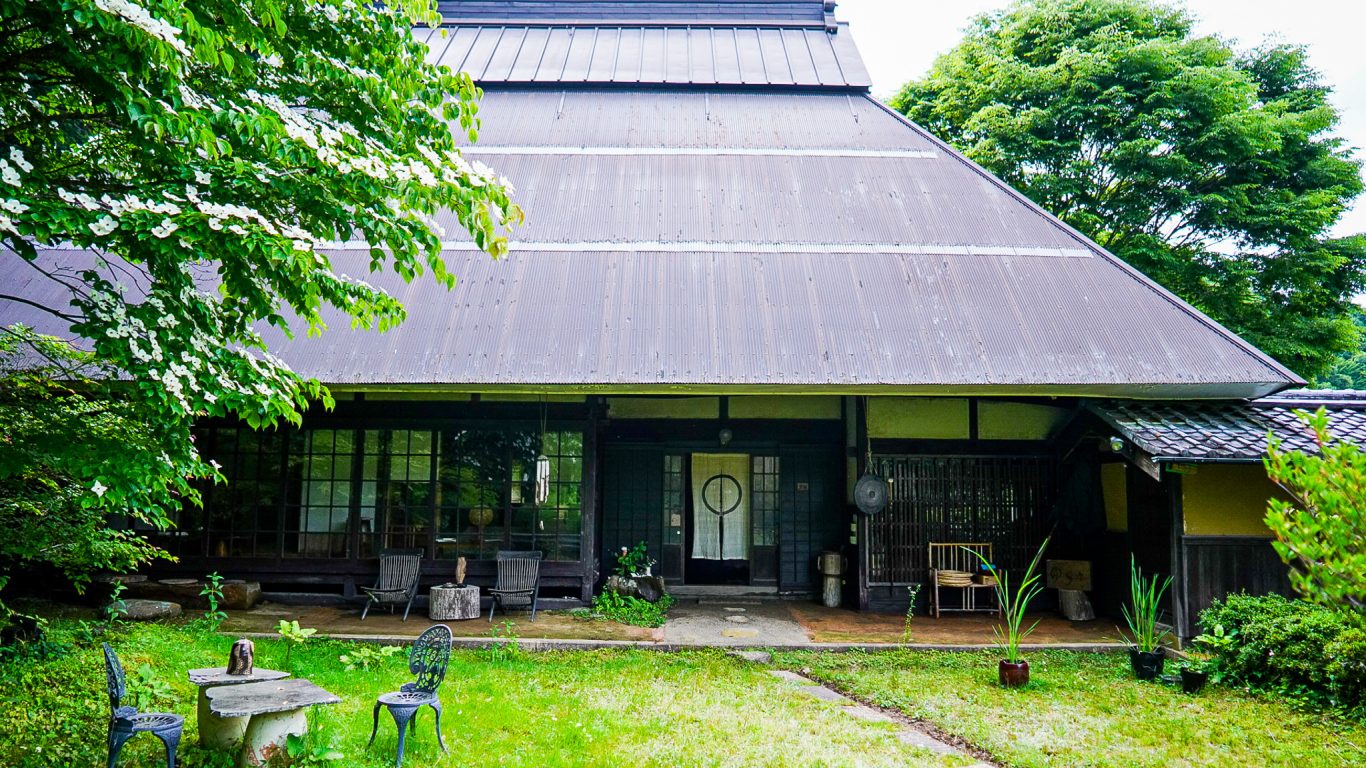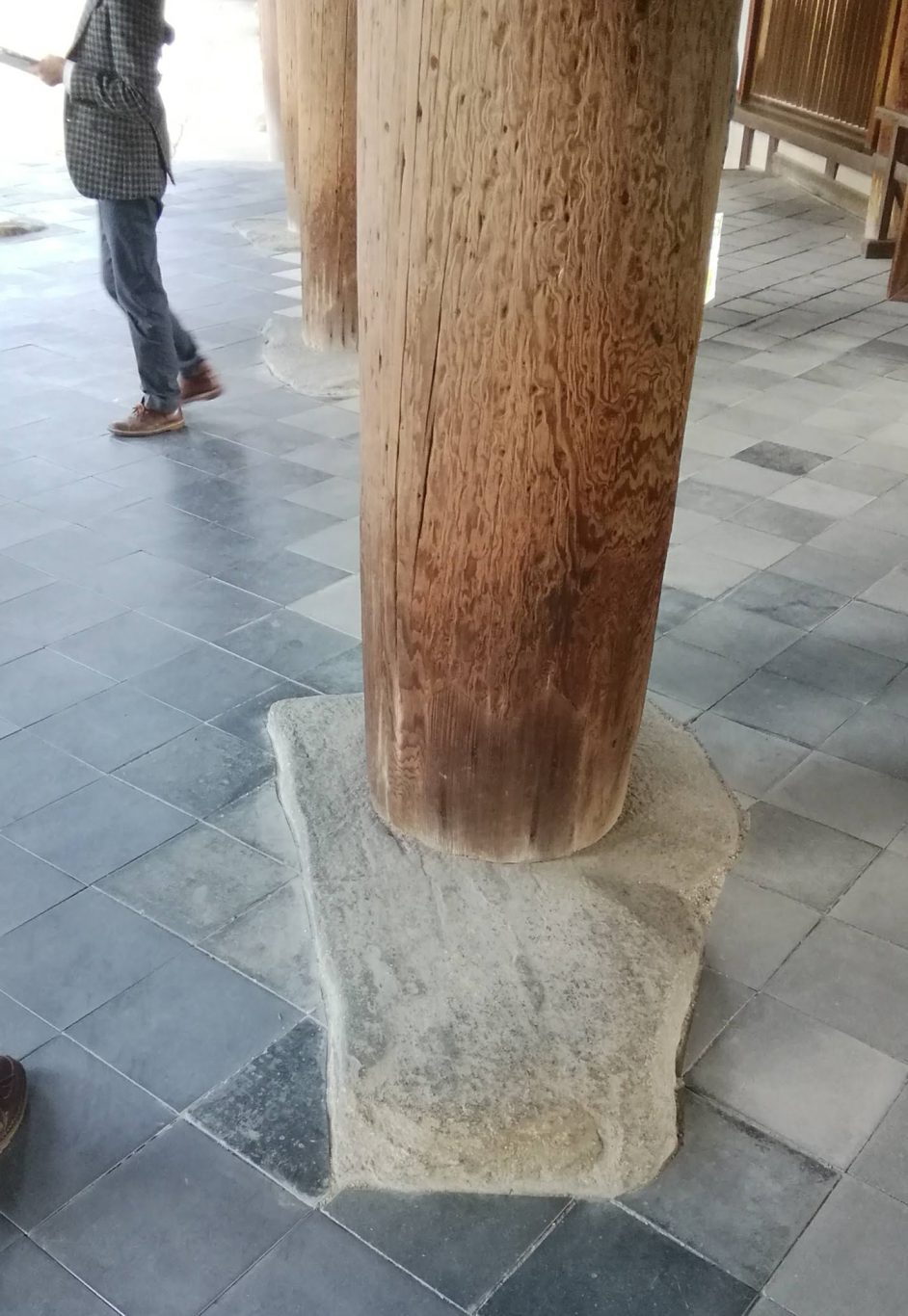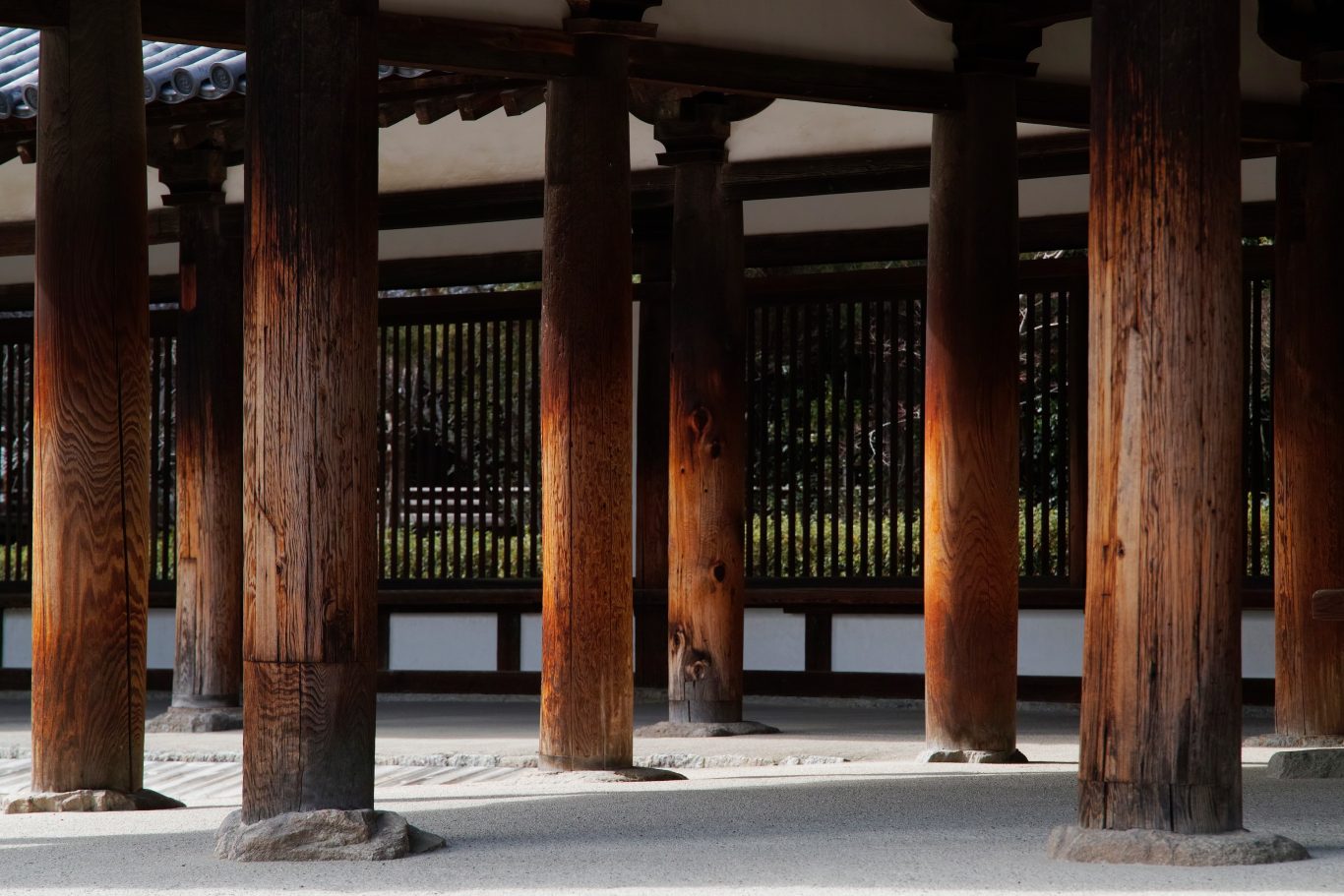
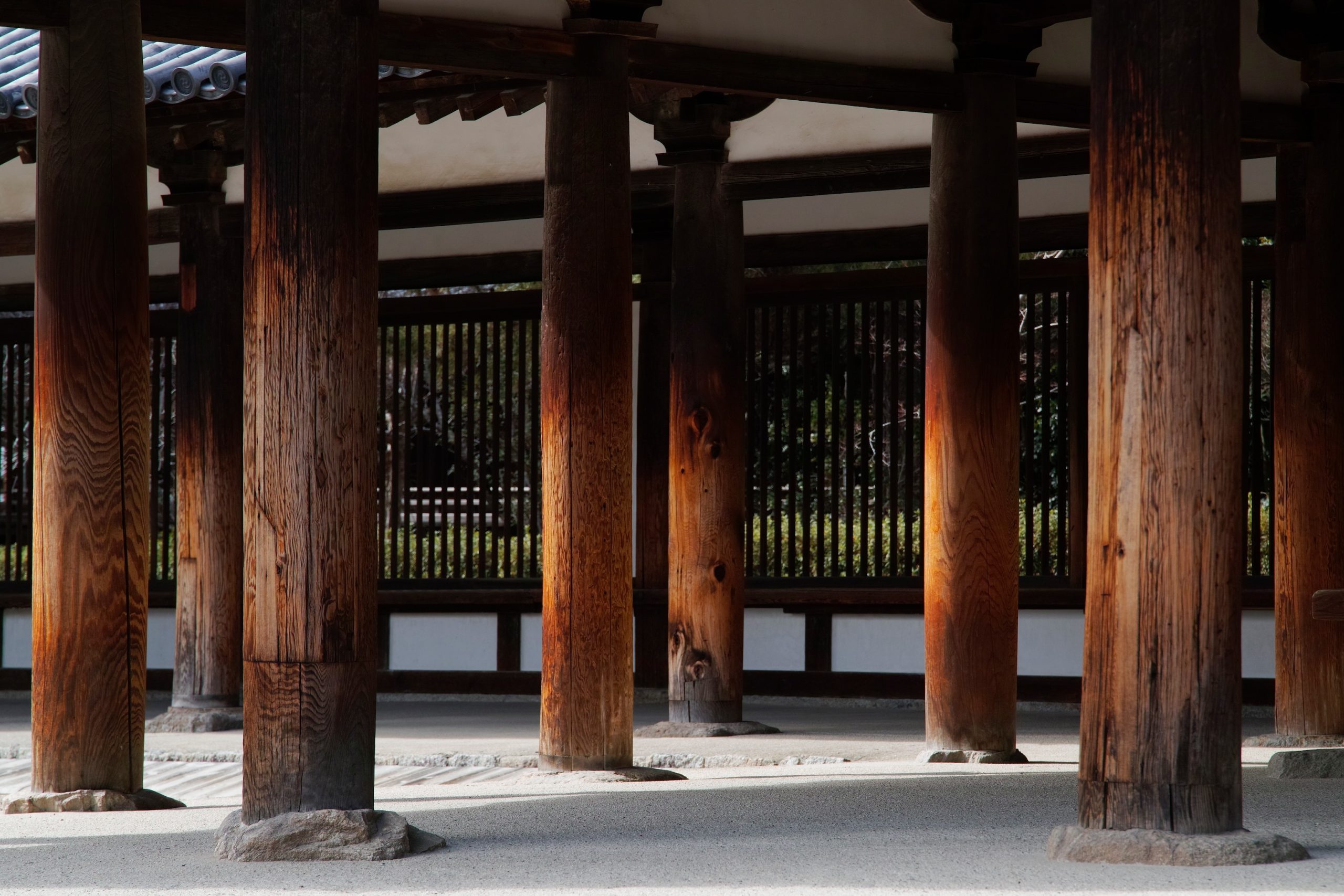
Ishibadate, a traditional Japanese architectural method, involves placing wooden columns directly on stone foundations without rigid connections. This technique offers distinct advantages in mitigating the effects of earthquakes, setting it apart from modern construction methods. Here, we delve into the reasons behind its earthquake-resilient properties.
1. Flexibility: Decoupling the Foundation from the Structure
In modern construction, buildings are firmly anchored to concrete foundations using bolts, ensuring the full force of seismic energy—let’s say 100%—is directly transmitted to the structure.
By contrast, in ishibadate, the wooden columns merely rest on the stones. During an earthquake, the building can shift, slide, or even lift slightly on the stone base. This movement absorbs and dissipates seismic energy, reducing the impact on the building to approximately 70–80%.
2. Natural Oscillation Periods and Earthquake Compatibility
Every structure has a natural oscillation period, and damage increases when this matches the oscillation of an earthquake.
- Advantages of Ishibadate: Its longer natural oscillation period makes it resistant to short, rapid vibrations.
- Modern Construction Weakness: Short oscillation periods make it more vulnerable to quick, repetitive shocks.
For instance:
- In regions like Tohoku or Hokuriku, where long-period seismic waves dominate, ishibadate may not perform as well.
- However, in areas prone to short, rapid vibrations, ishibadate demonstrates superior resilience.
3. Lessons from the Five-Story Pagoda: A Model of Earthquake Resistance
Japan’s iconic five-story pagodas have never been recorded as collapsing due to earthquakes. The secret to their durability lies in a central pillar called the shinbashira, which serves a unique purpose.
The Role of the Shinbashira
- Rather than bearing the entire weight of the structure, the shinbashira acts as a counterbalance during seismic activity or strong winds.
- The pagoda’s design, with each tier stacked independently, allows for flexible movement, dispersing earthquake forces across the structure.
This ingenious design not only protects the building but also inspired modern skyscrapers, such as:
- Tokyo Skytree
- Yokohama Landmark Tower
These contemporary structures use similar principles to absorb and reduce seismic forces.
4. Experimental Validation
In 2004, an earthquake simulation experiment in Tsukuba, Ibaraki Prefecture, tested a 1/5 scale model of Hōryū-ji’s five-story pagoda under a simulated magnitude 6+ earthquake. The findings highlighted the effectiveness of this traditional construction:
- Independent movement of each tier distributed seismic energy, reducing overall strain.
- The shinbashira moved counter to the rest of the structure, stabilizing the building.
For an in-depth look, view the experiment video here: Hōryū-ji Five-Story Pagoda Earthquake Simulation (focus on 13:10–18:56).
5. Application to Modern Architecture
The principles of ishibadate and the shinbashira are not confined to historical structures. Their adaptation in contemporary engineering underscores the timelessness of traditional Japanese architecture. Modern implementations include:
- Seismic isolation techniques in skyscrapers.
- Structural designs that incorporate flexibility to absorb shocks, reducing damage in seismic events.
Conclusion
The earthquake resistance of ishibadate stems from its flexible connection between foundation and structure, its ability to handle diverse seismic oscillation periods, and the application of traditional concepts like the shinbashira. These elements highlight the ingenuity of Japan’s architectural heritage.
By studying videos, experiments, and real-world applications, architects and enthusiasts can gain a deeper appreciation for how these traditional methods continue to influence modern engineering, affirming the superiority of Japanese construction techniques.
Hitoshi Sato(Architect / CEO of Mokuzo-architect COCHI)
Mokuzou-architect COCHI do not buy the timber for their construction-projects from timber-markets, instead going to the mountains to buy directly from their trusted mountain foresters. With the slogan "To leave the world a beautiful landscape for 300 years to come", the company builds beautiful and resilient houses using the best materials, techniques, and designs. To build awareness of the origins of these trees, grown and tended by many generations of Yamamori, Kochi has started a tour that connects the mountains with the people who live in these special wooden houses.