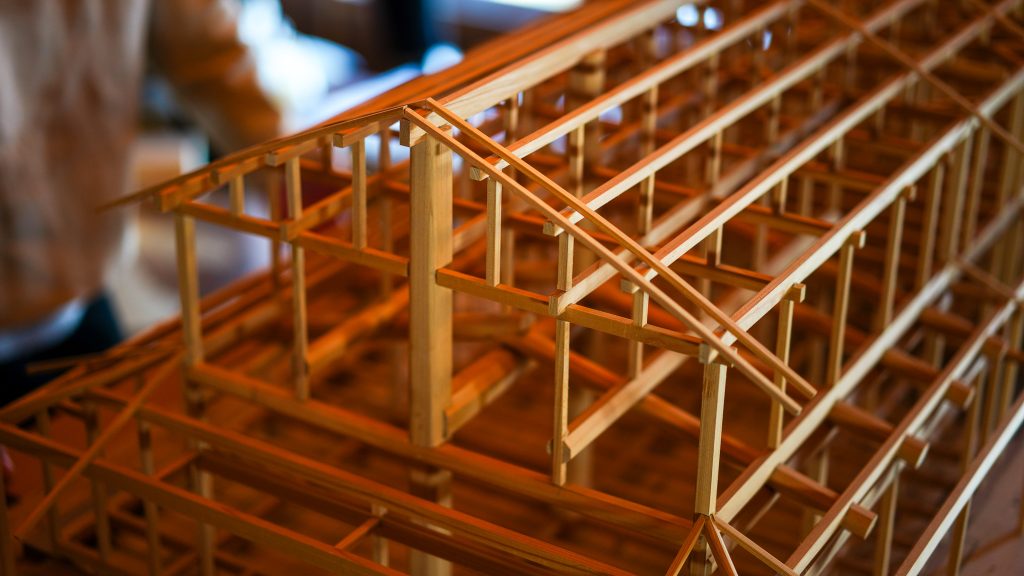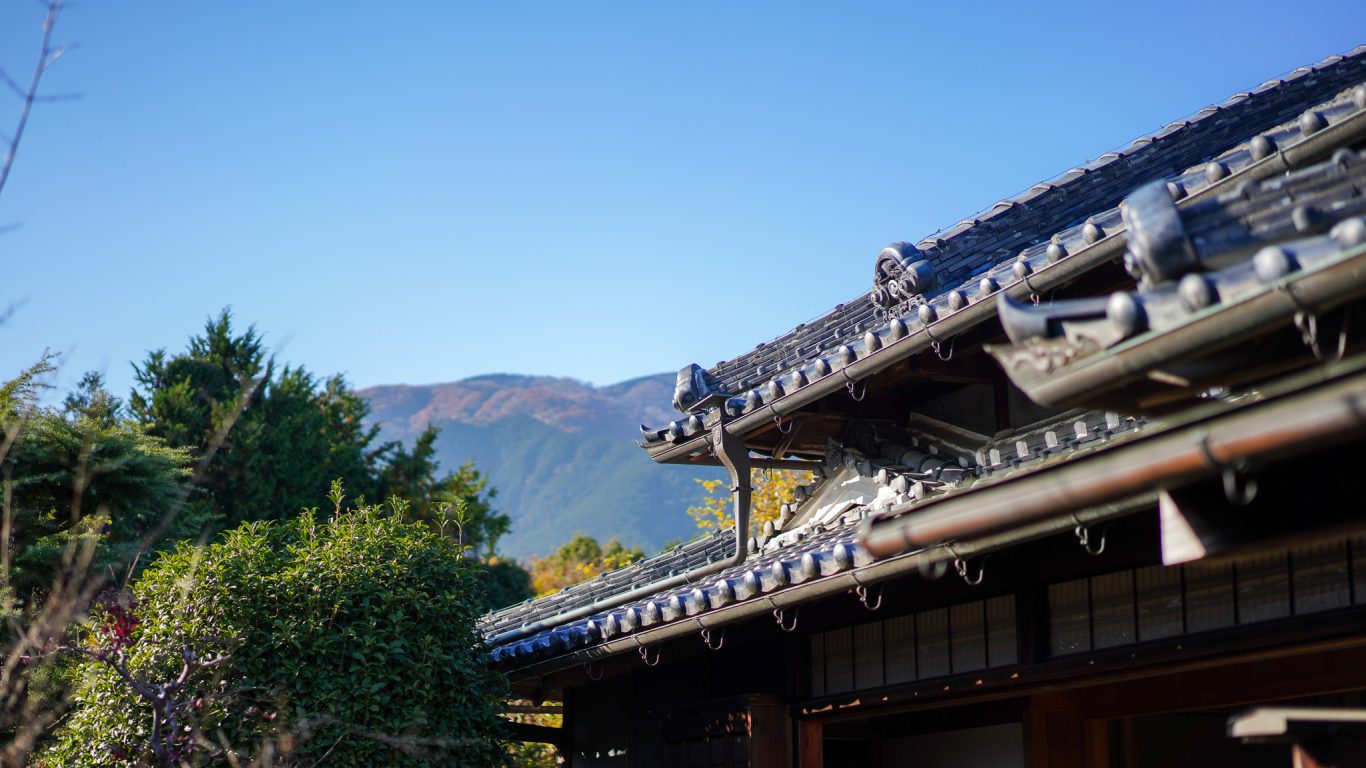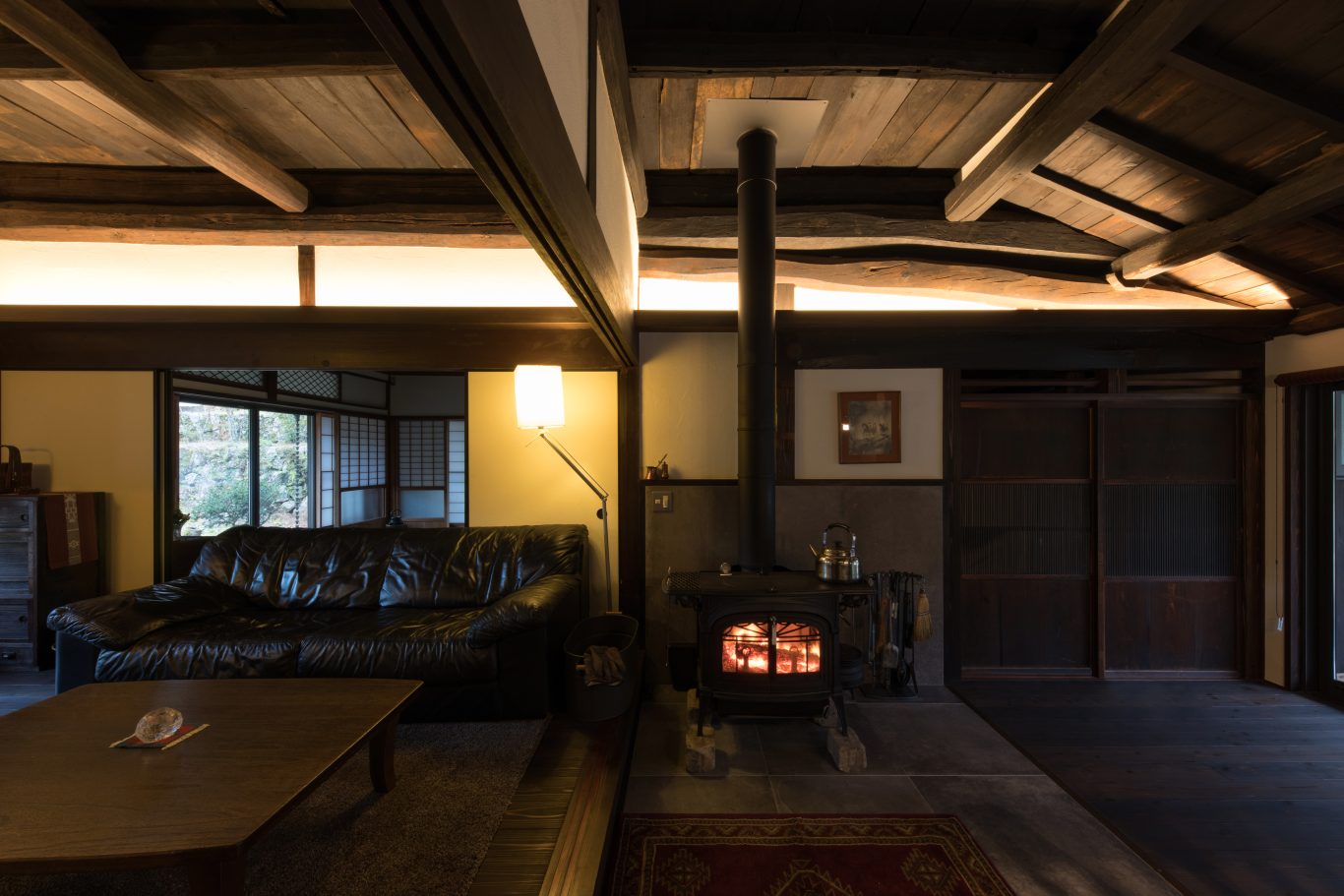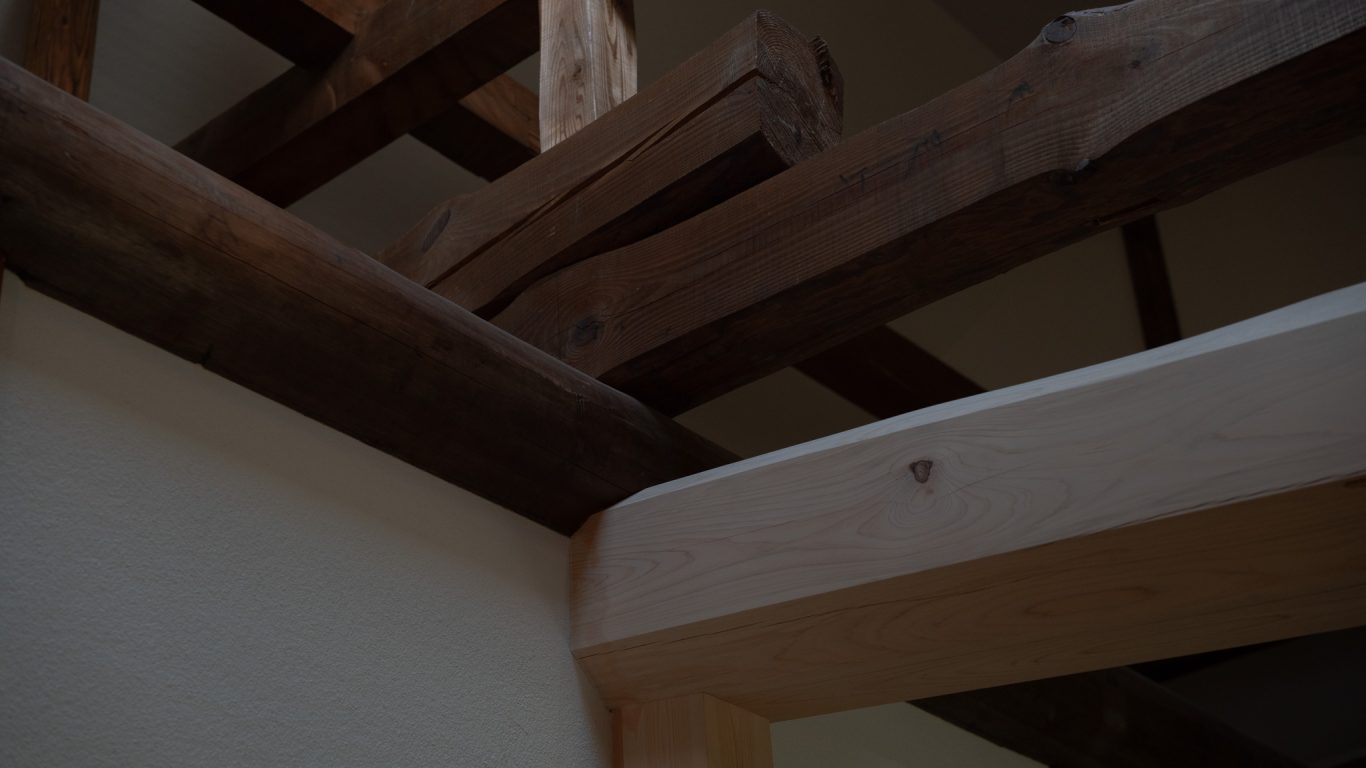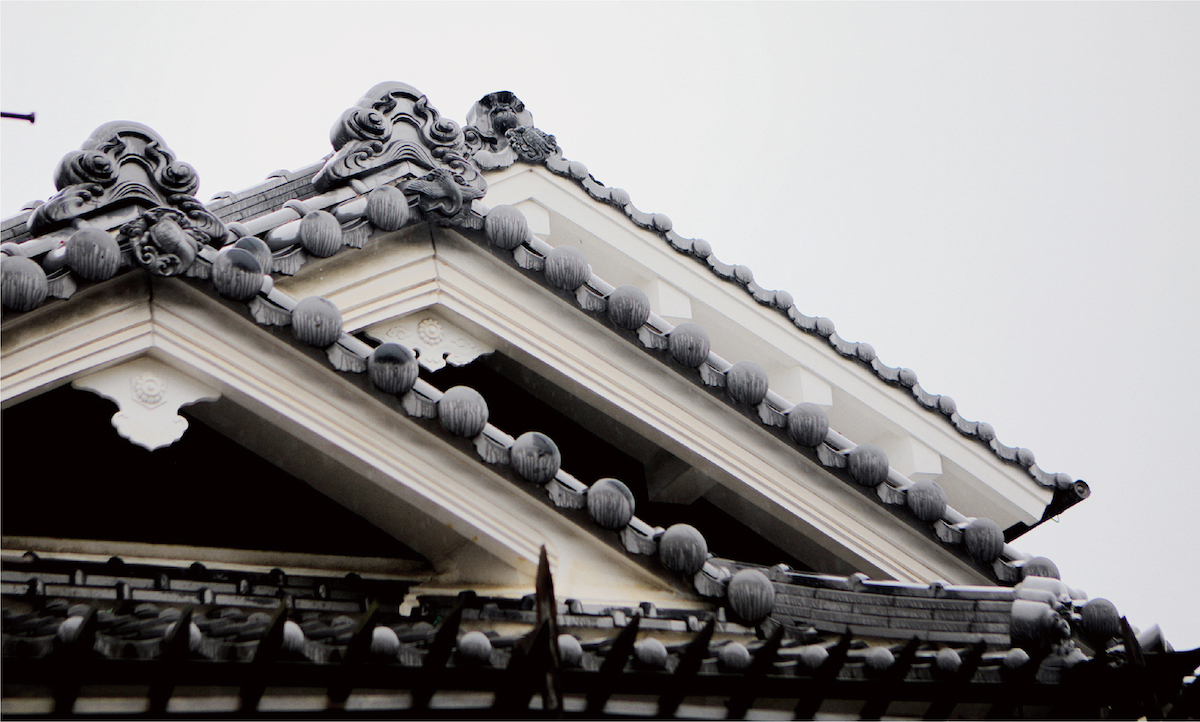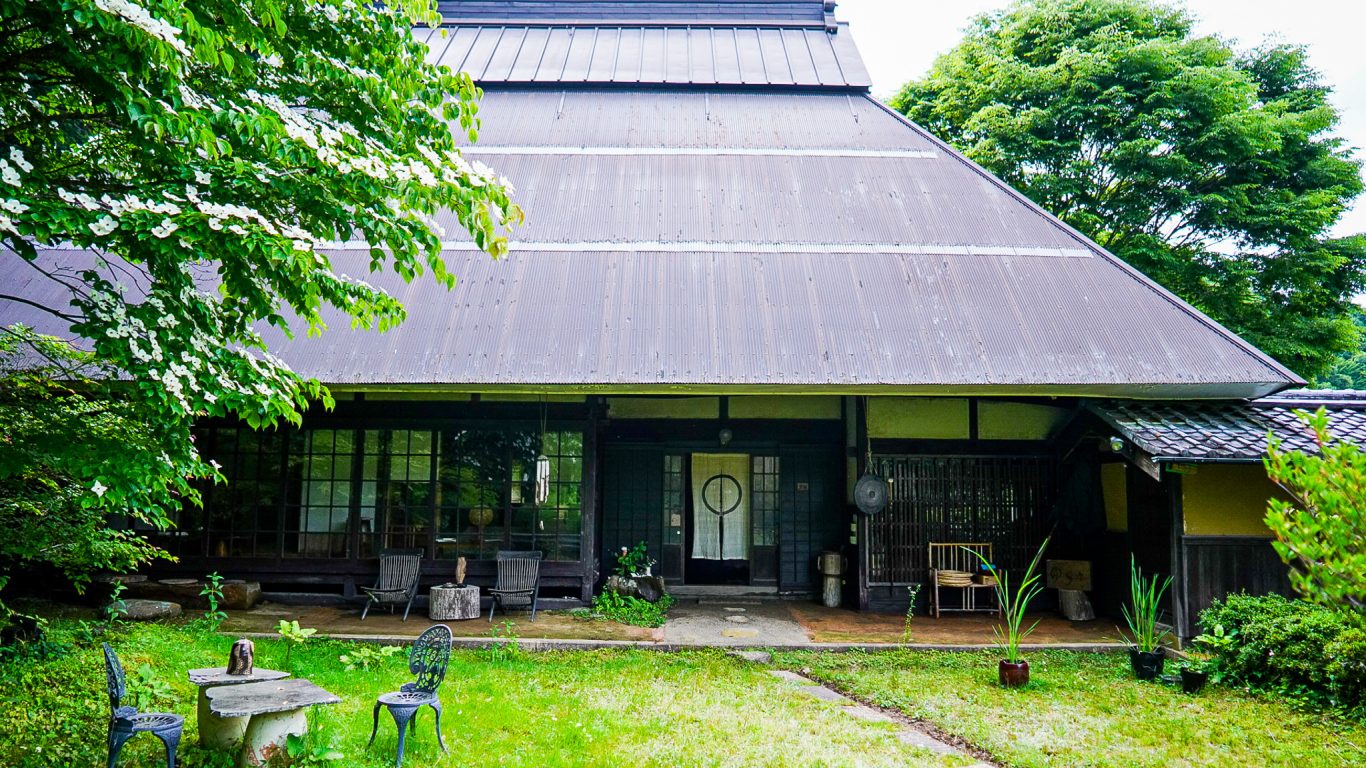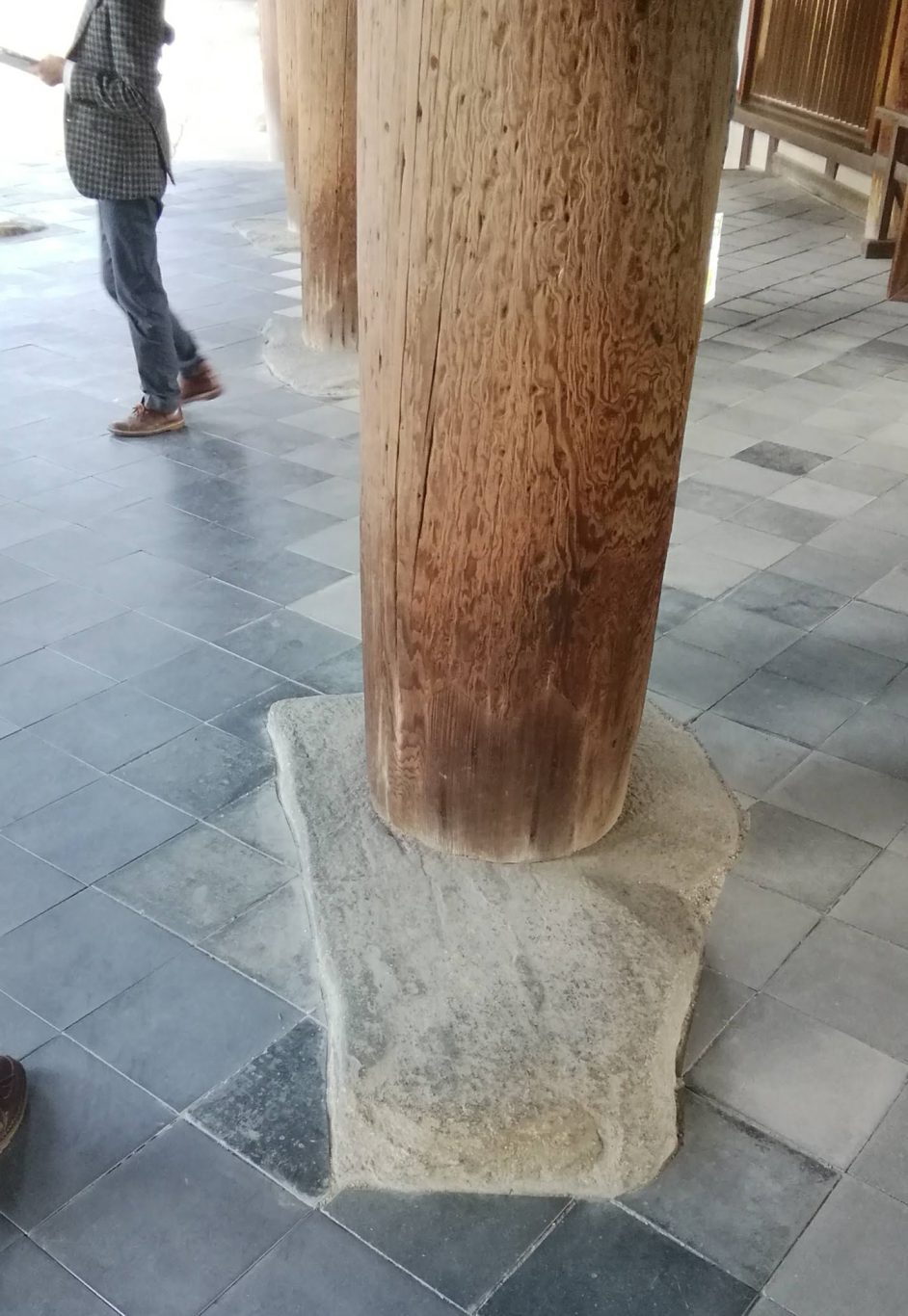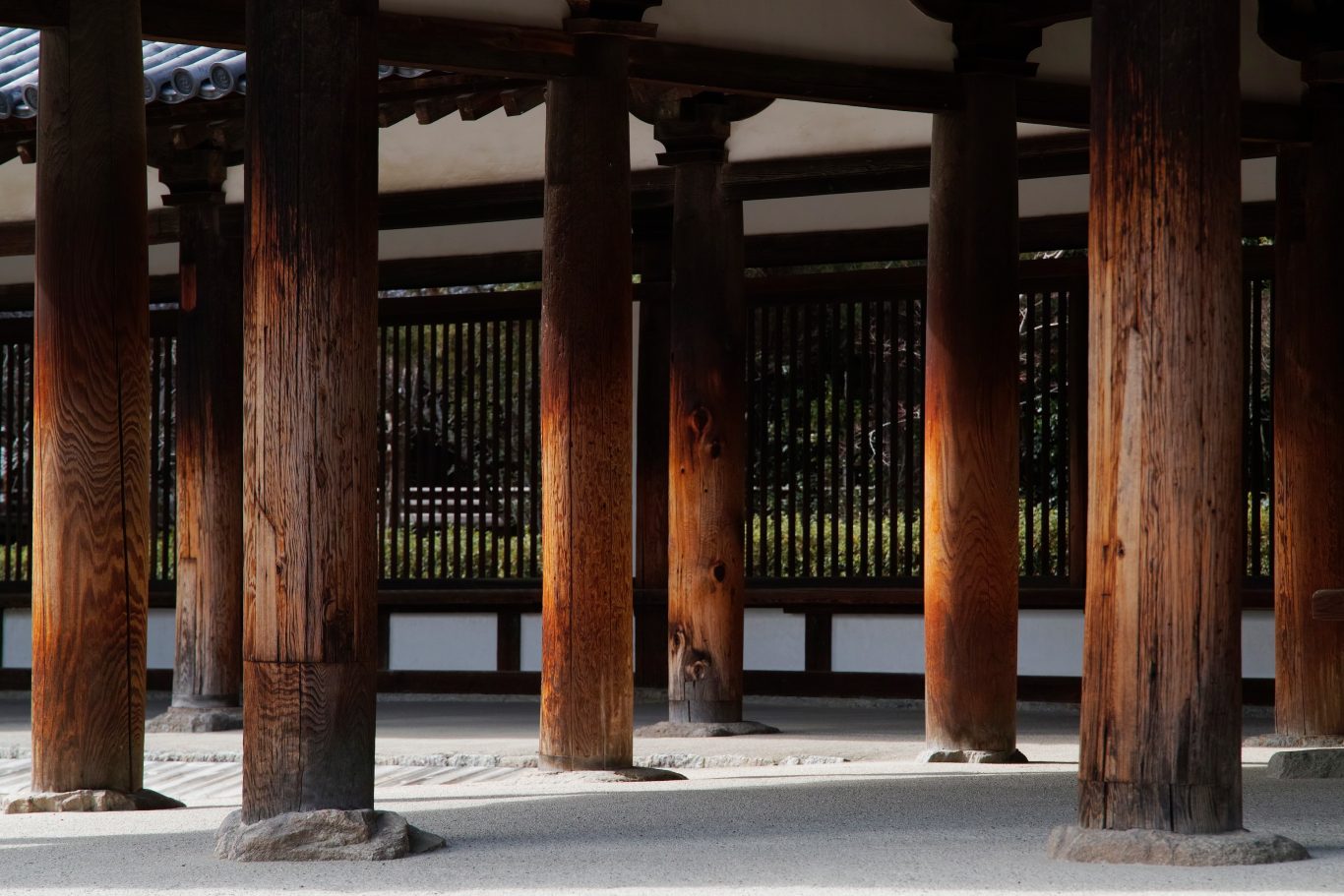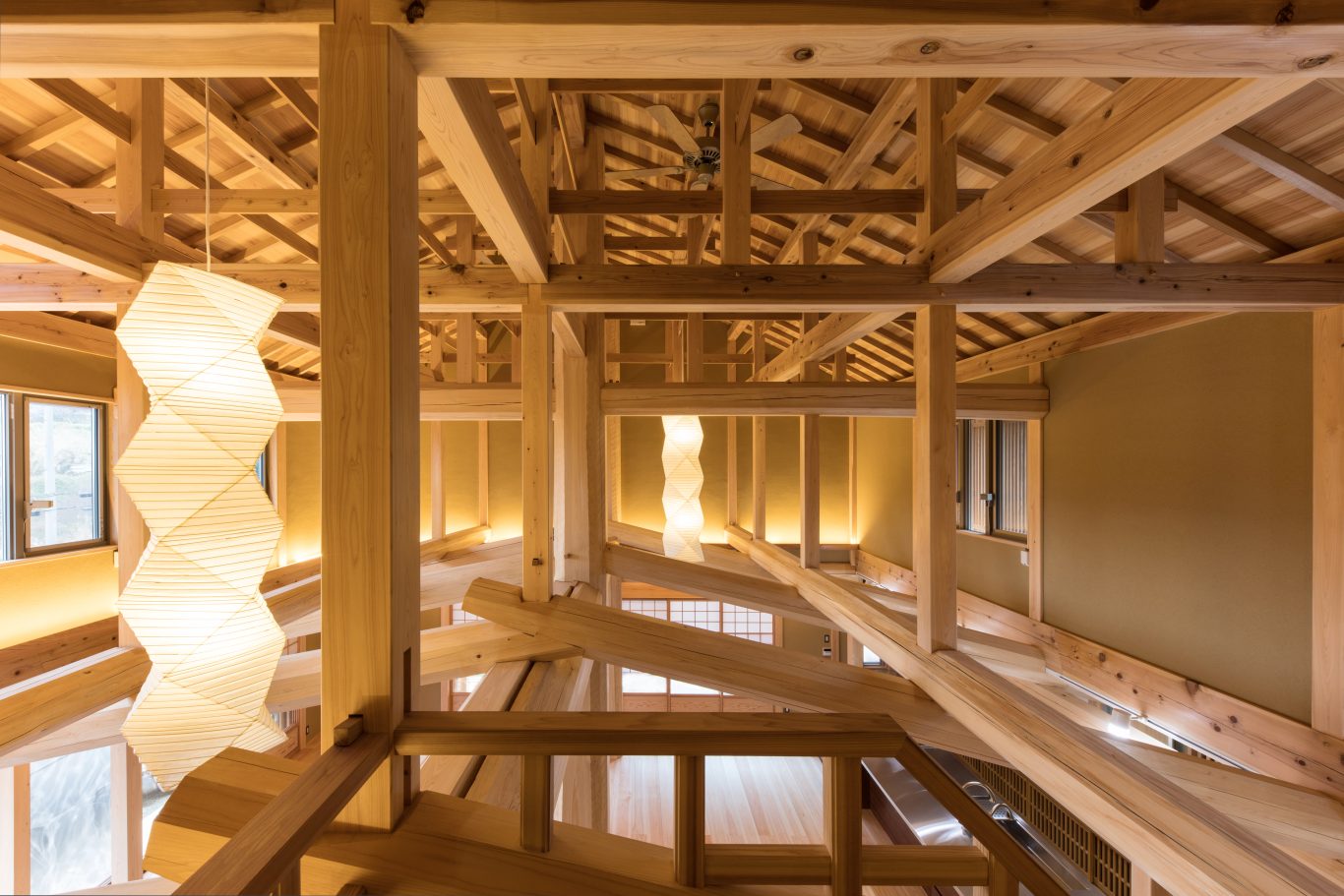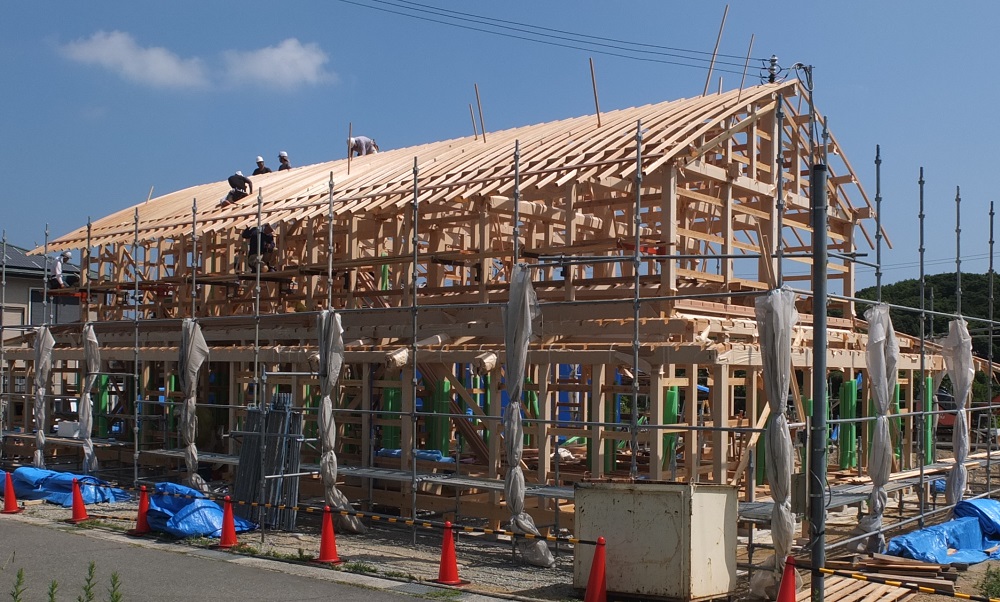
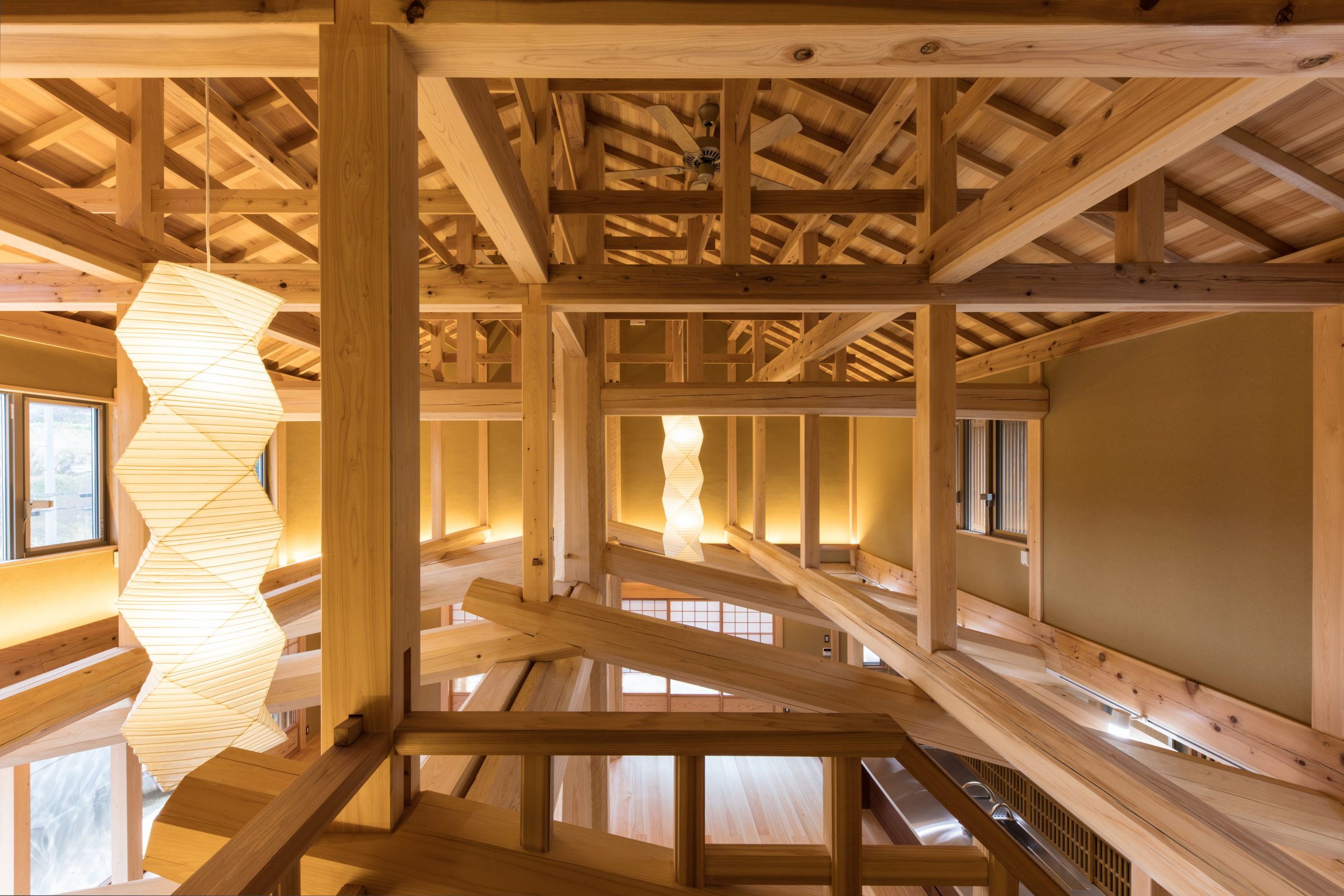
In traditional wooden architecture, structural elements are not merely functional—they are integral to the design. The arrangement and dimensions of pillars and beams, as well as their clean, orderly lines, define the aesthetics of the space. This harmony between structural logic and visual elegance embodies the essence of Japanese architecture.
Form Follows Function: The Essence of Wooden Architecture
In traditional wooden construction, the structure itself becomes the design. Each element—be it a column, beam, or joint—serves both a practical purpose and an aesthetic one. The spatial beauty arises from this seamless integration of functionality and design, where nothing is superfluous, and every component has a role to play.
The Character of Space: Material as the Soul of Design
The wood used in a building defines its atmosphere, imbuing the space with distinct personality traits:
- Hinoki (Cypress): Dense and refined, it creates a serene and pure environment.
- Sugi (Cedar): Soft and warm, it evokes a sense of comfort and approachability.
- Keyaki (Zelkova): Heavy and robust, it imparts a feeling of dignity and gravitas.
Each type of wood expresses its natural essence, transforming the structure into a vivid reflection of its materials.
Material Selection: Adapting to Context and Purpose
Choosing the right wood for a building is akin to selecting the perfect attire for an occasion. The time, place, and intended function guide these choices:
- Hinoki: Like silk, it suits formal and sophisticated spaces, elevating their prestige.
- Sugi: Comparable to cotton, it creates a casual and welcoming atmosphere.
Through thoughtful material selection, architects craft spaces that resonate with purpose and personality.
Proportions That Shape Perception
The Impact of Dimensions
The thickness of pillars, the size of beams, and the width of chamfering dramatically influence the mood of a space:
- Ritual Spaces: Small chamfers on beams convey tension and formality.
- Relaxation Areas: Larger chamfers soften the edges, adding warmth and relaxation.
These subtle adjustments breathe life into the design, enhancing the emotional resonance of the space.
Harmony Through Scale and Balance
Traditional wooden architecture achieves balance by scaling structural elements to fit the size of the room:
- Tea Rooms: Delicate, slender columns merge seamlessly with the intimate scale of the space.
- Grand Halls: Thick, sturdy pillars convey stability and strength, anchoring the vastness of the room.
Proportion and scale are essential to achieving visual and spatial harmony, ensuring every element contributes to the overall aesthetic.
Wood’s Natural Harmony with Nature
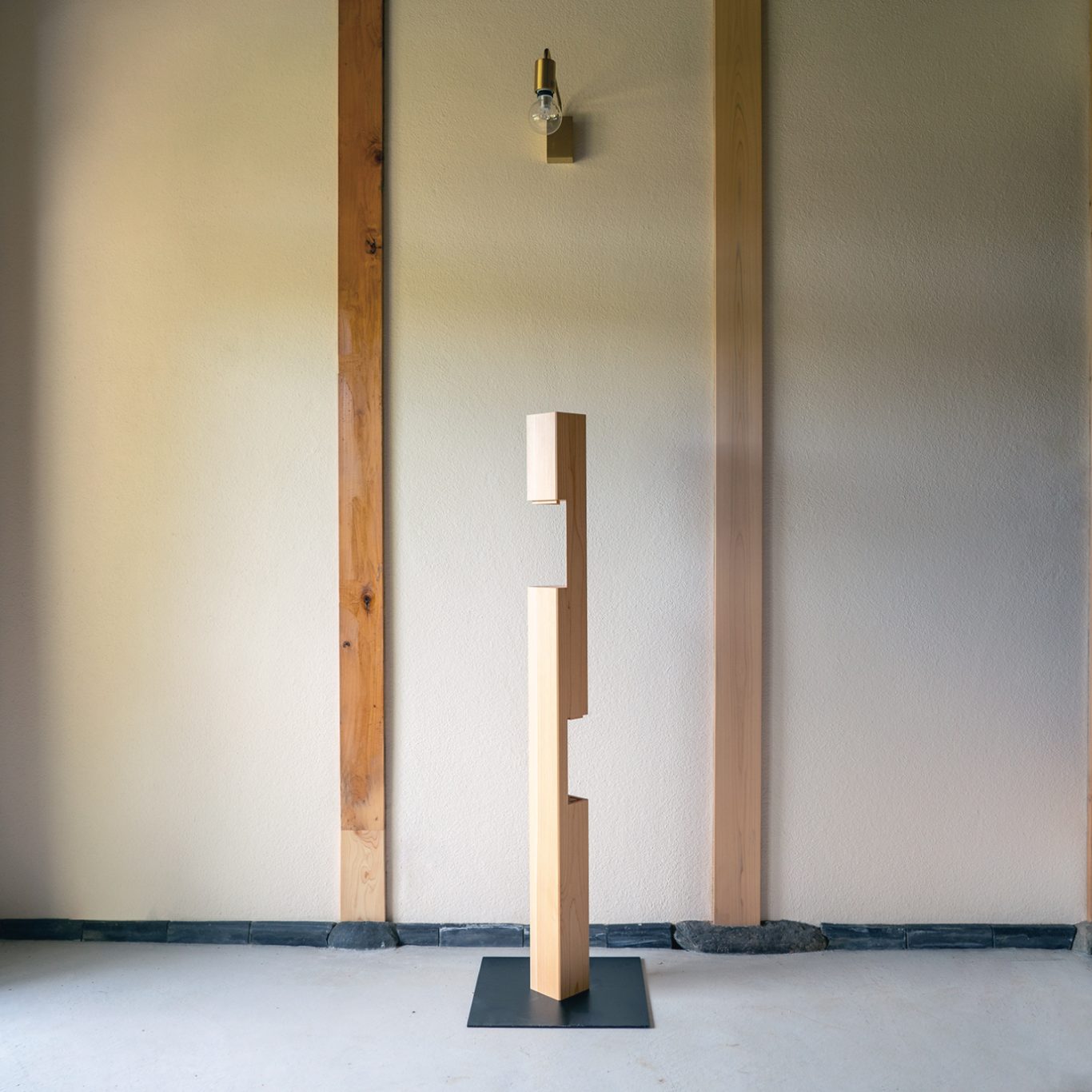
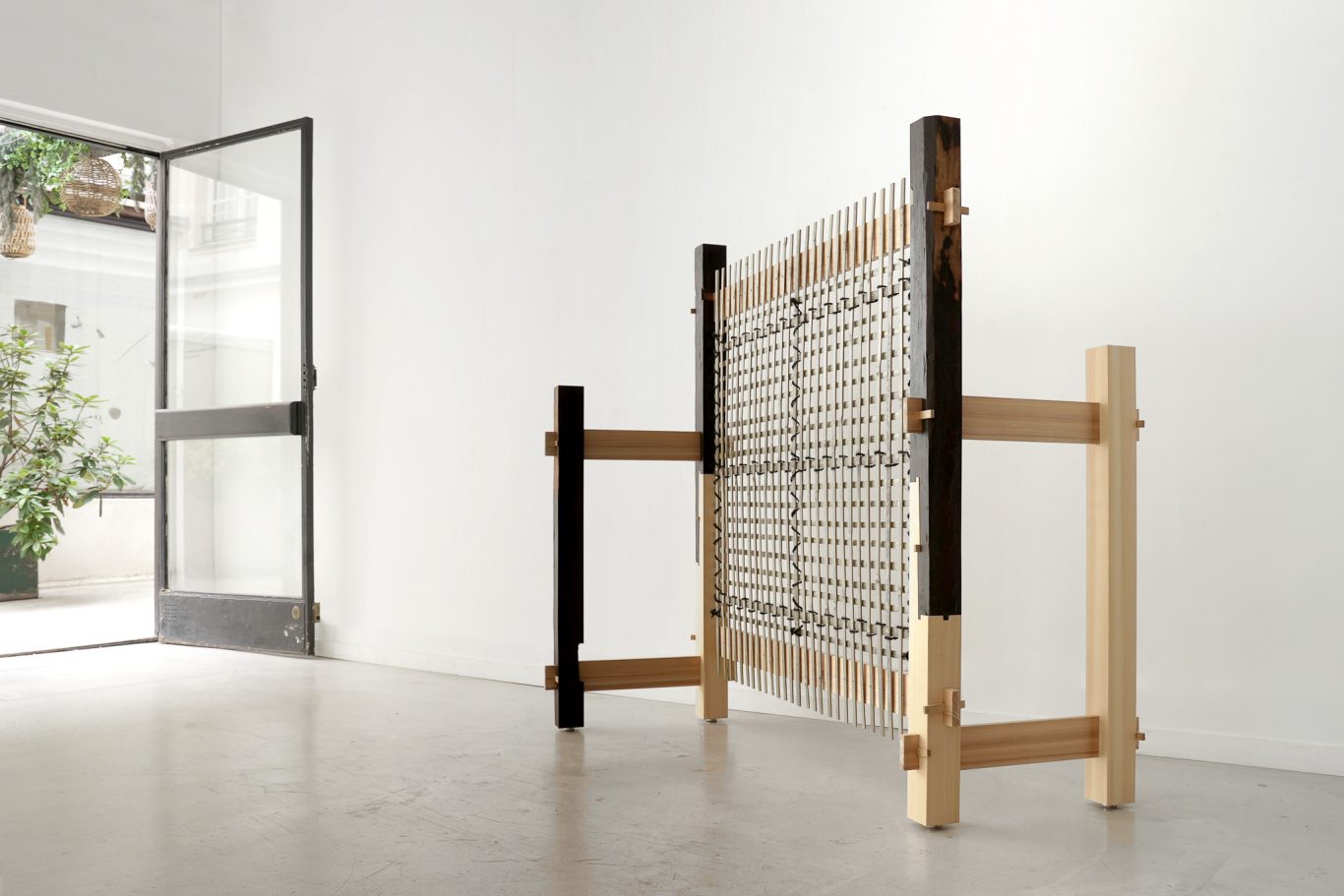
The timeless beauty of traditional wooden architecture lies in its ability to harmonize with nature. By celebrating the innate qualities of wood—its grain, texture, and color—architects create spaces that feel organic and purposeful.
Material selection, proportional adjustments, and careful design planning bring together form and function, resulting in spaces that honor both human intention and the natural world.
Conclusion
Traditional wooden architecture exemplifies the philosophy that structure itself can be art. By allowing materials to speak for themselves and harmonizing them with space, traditional designs achieve a fusion of function and beauty. These principles, rooted in respect for nature and attention to detail, continue to inspire architects and captivate those who experience the spaces they create.
Hitoshi Sato(Architect / CEO of Mokuzo-architect COCHI)
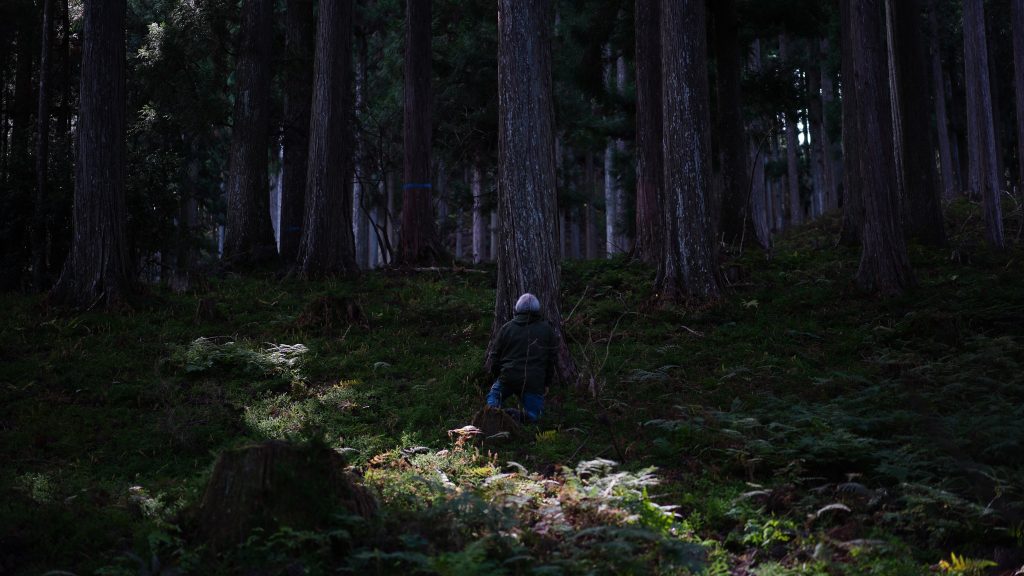
Mokuzou-architect COCHI do not buy the timber for their construction-projects from timber-markets, instead going to the mountains to buy directly from their trusted mountain foresters. With the slogan "To leave the world a beautiful landscape for 300 years to come", the company builds beautiful and resilient houses using the best materials, techniques, and designs. To build awareness of the origins of these trees, grown and tended by many generations of Yamamori, Kochi has started a tour that connects the mountains with the people who live in these special wooden houses.