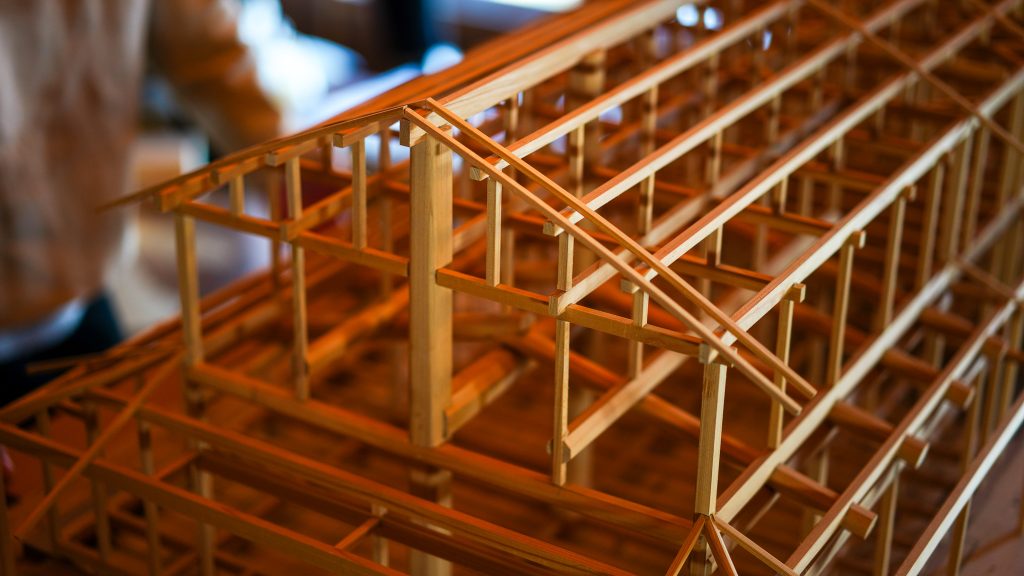
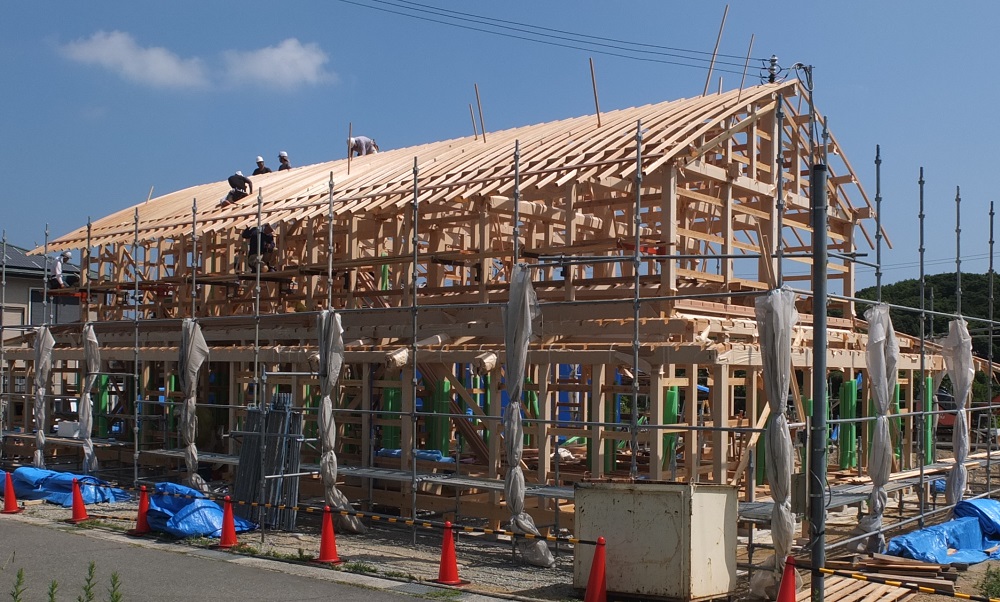
In traditional wooden architecture, the roof is more than just a structural element—it is the defining feature that shapes the building’s identity and aesthetic appeal. Particularly in Japanese architecture, the roof plays a central role in creating a lasting impression. At Tōfu, great attention is paid to roof design, emphasizing how it is perceived and experienced.
The Beauty of Architecture Created by the Roof
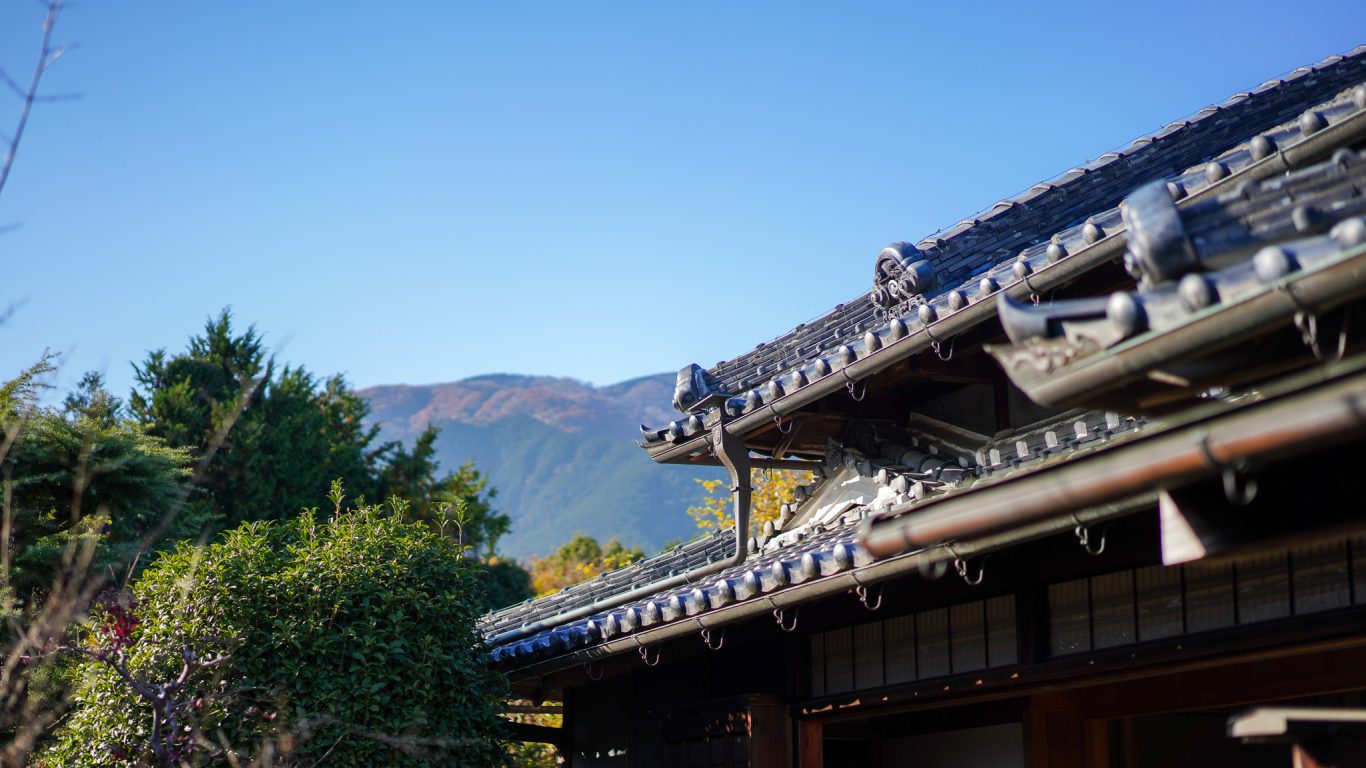
The roof’s form, scale, and craftsmanship significantly influence a building’s overall aesthetic. Every detail, from the height of the eaves to the curve of the roofline, contributes to its visual harmony and emotional resonance.
Low Eaves for a Welcoming Atmosphere
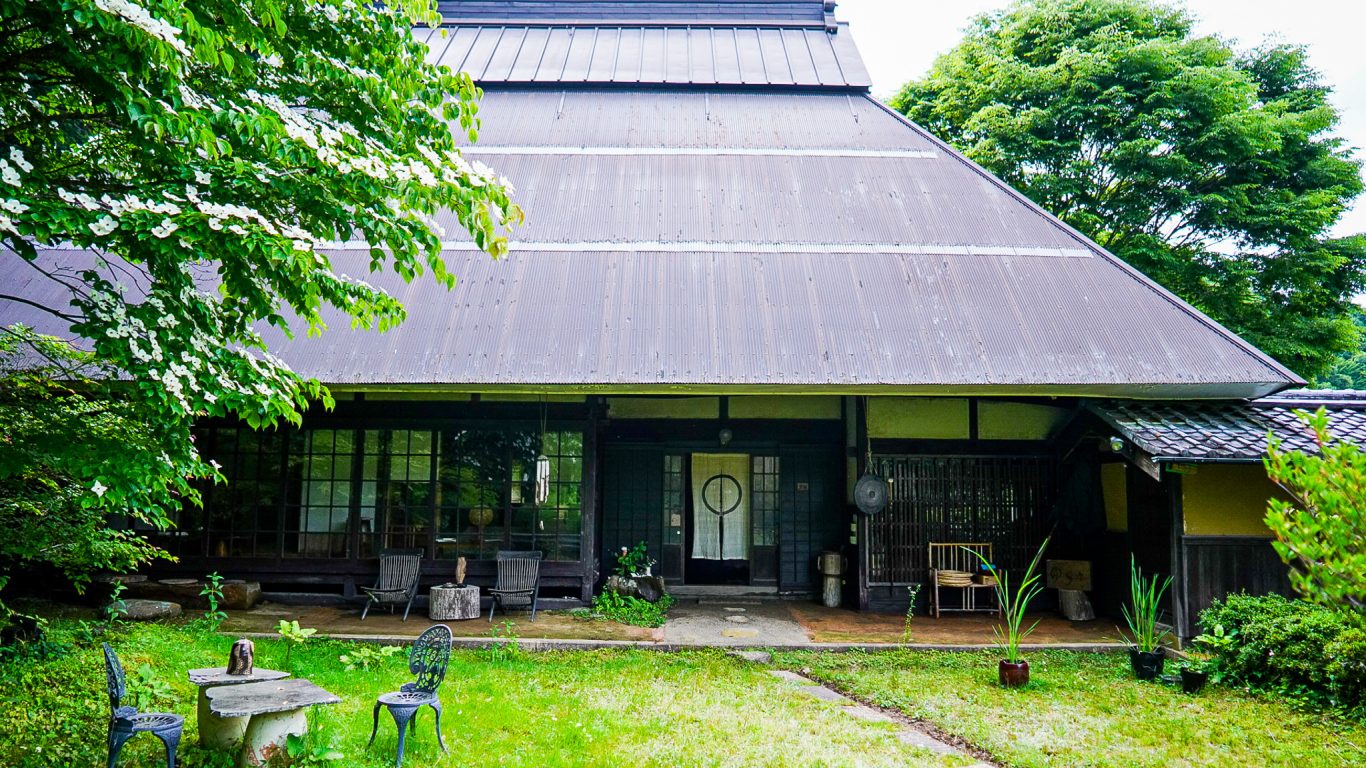
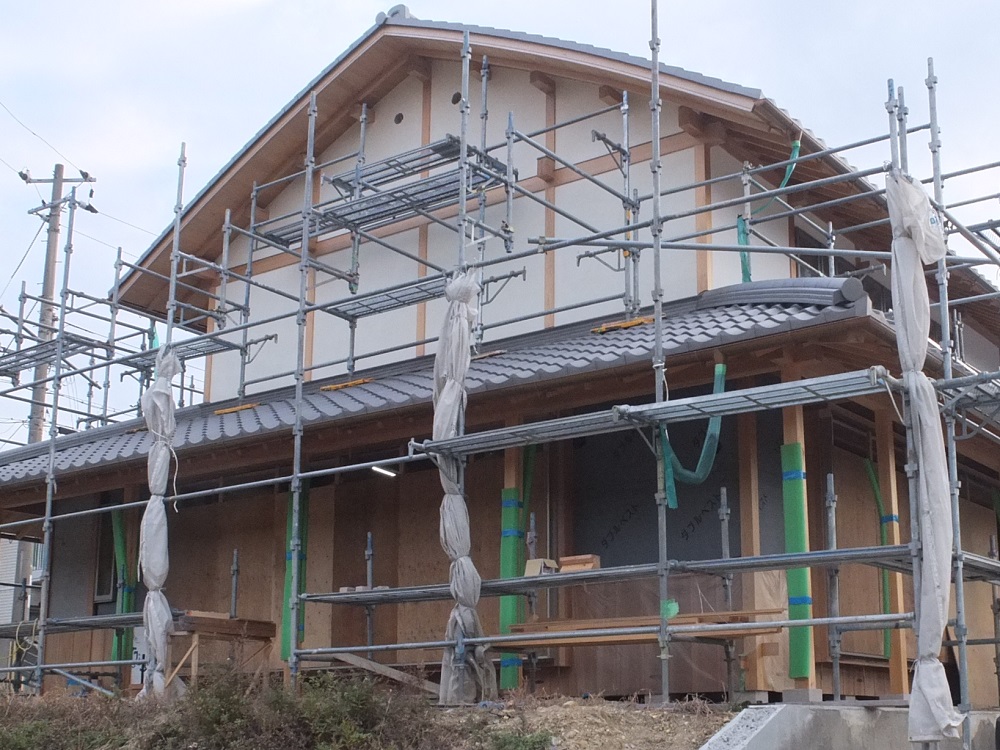
The height of the eaves profoundly affects how a building is perceived, particularly at entrances or approaches. Eaves set at 2.1m to 2.25m (7 to 7.5 shaku) create a warm and approachable impression, making visitors feel at ease.
- Examples of Excellence: Kyoto’s Shisendō and Nara’s Jikō-in exemplify this thoughtful design, using eaves to create a sense of comfort and welcome.
- Subtle Adjustments Matter: Small variations in eave height can transform a space, adding to its sense of invitation and intimacy.
Thin Eaves for a Refined Look
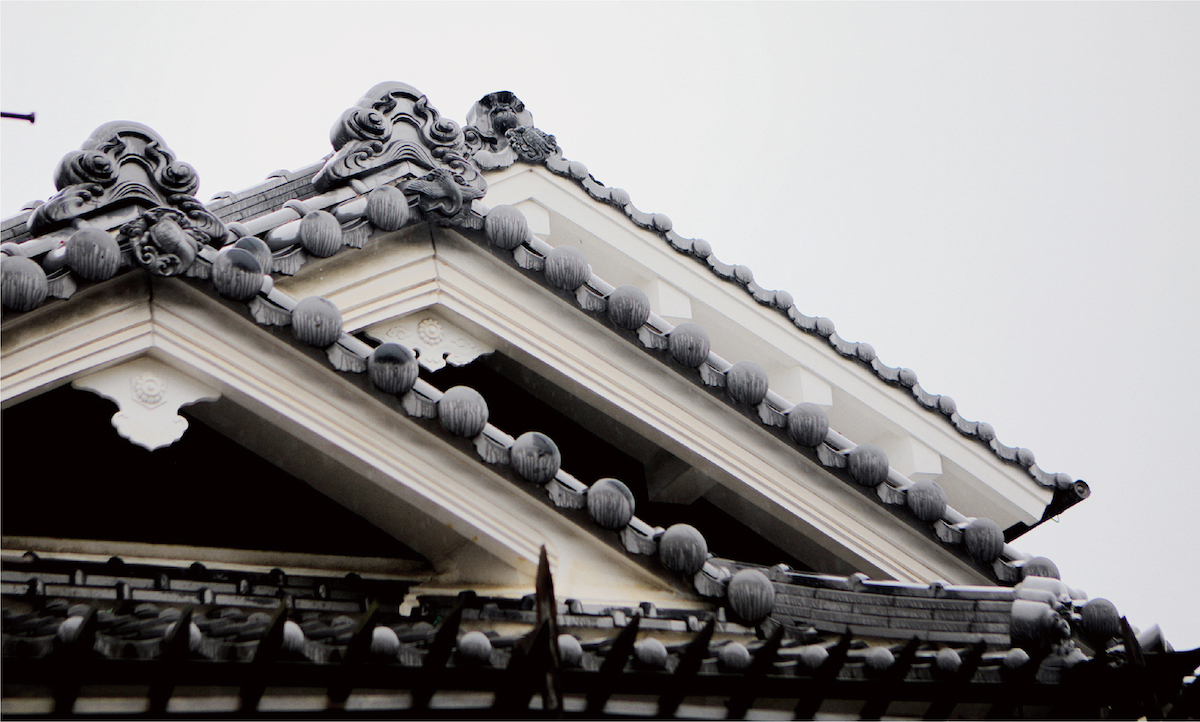
Making the edges of the roof appear thin lends a sense of elegance and lightness to the entire building.
- Masterful Design: The roof of Tōshōdai-ji’s Golden Hall achieves this balance by combining a visually thin eaves edge with a thicker interior structure for stability.
- Significance: The thinness of the eaves’ edge is a critical factor in conveying sophistication and refinement in architectural design.
Deep Eaves for Function and Beauty
Deep eaves enhance a building’s visual appeal while serving practical purposes:
- Protection: In Japan’s monsoon climate, deep eaves shield walls and foundations from rain and wind, reducing wear and tear.
- Climate Control: They block harsh summer sunlight, helping maintain a cooler interior.
- Balanced Design: At Tōfu, standard eave depths start at 90 cm and can extend to 1.2–1.5 meters, carefully balancing aesthetics with functionality.
The Soft Elegance of Curved Rooflines (Mukuri)
A gently bulging roofline, known as mukuri, introduces a sense of softness and approachability to a structure.
- Primarily Aesthetic: While mukuri serves no structural purpose, it contributes significantly to the visual warmth and charm of a building.
- Practical Aspects: It can subtly mask sagging from long-term use, enhancing the roof’s longevity.
- Fine-Tuning: The degree of mukuri is carefully adjusted to suit the roof’s length and the building’s purpose, maintaining harmony.
Timeless Wisdom of Traditional Roof Techniques
Features like mukuri and sori (upward roof curves) reflect centuries of architectural wisdom:
- Longevity: These techniques help buildings endure by accommodating and concealing natural wear and distortion over time.
- Relevance Today: Although modern technology allows for straight, precision-cut materials, traditional roof techniques remain vital for their practical and aesthetic benefits.
The Philosophy of Roofs in Traditional Architecture
A roof is much more than a physical structure—it is the “face” of a building, expressing its identity and connecting it to its surroundings.
At Tōfu, the focus on roof design stems from a desire to create buildings that remain beautiful across generations. The philosophy behind these roofs reflects the enduring allure of Japanese traditional architecture: a balance of functionality, aesthetic harmony, and cultural meaning.
By honoring the artistry and practicality of roof design, we ensure that these structures continue to inspire and enrich their landscapes for years to come.
Hitoshi Sato(Architect / CEO of Mokuzo-architect COCHI)
Mokuzou-architect COCHI do not buy the timber for their construction-projects from timber-markets, instead going to the mountains to buy directly from their trusted mountain foresters. With the slogan "To leave the world a beautiful landscape for 300 years to come", the company builds beautiful and resilient houses using the best materials, techniques, and designs. To build awareness of the origins of these trees, grown and tended by many generations of Yamamori, Kochi has started a tour that connects the mountains with the people who live in these special wooden houses.