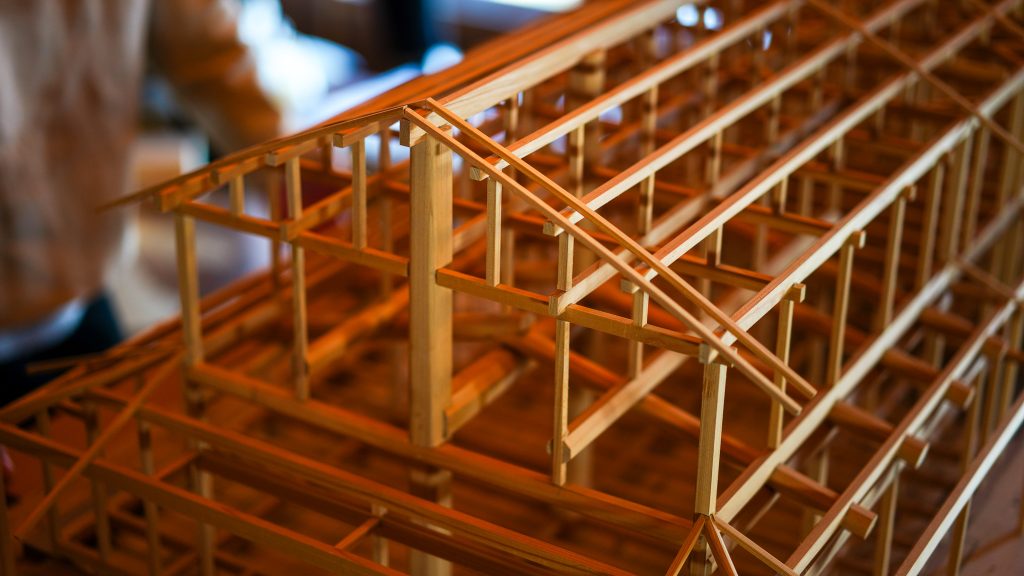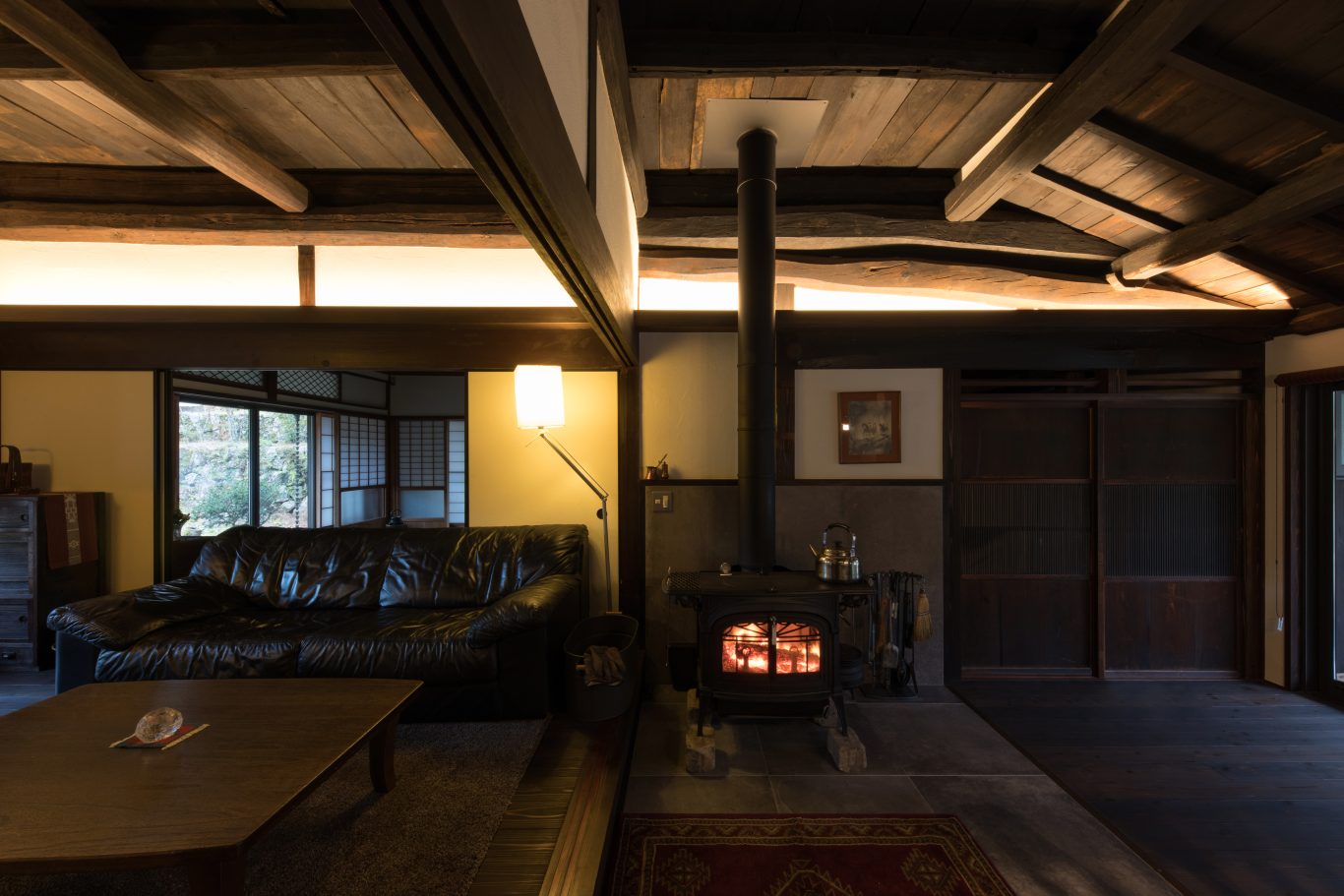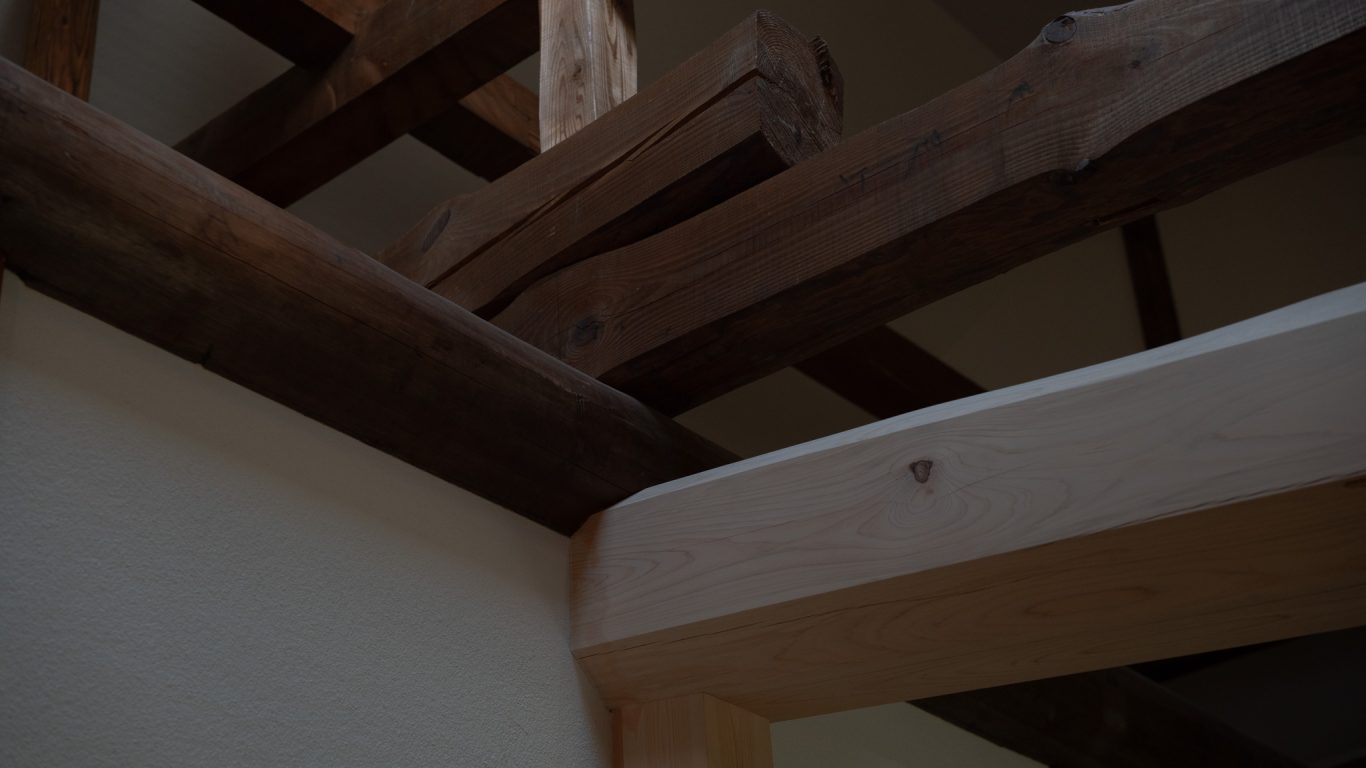
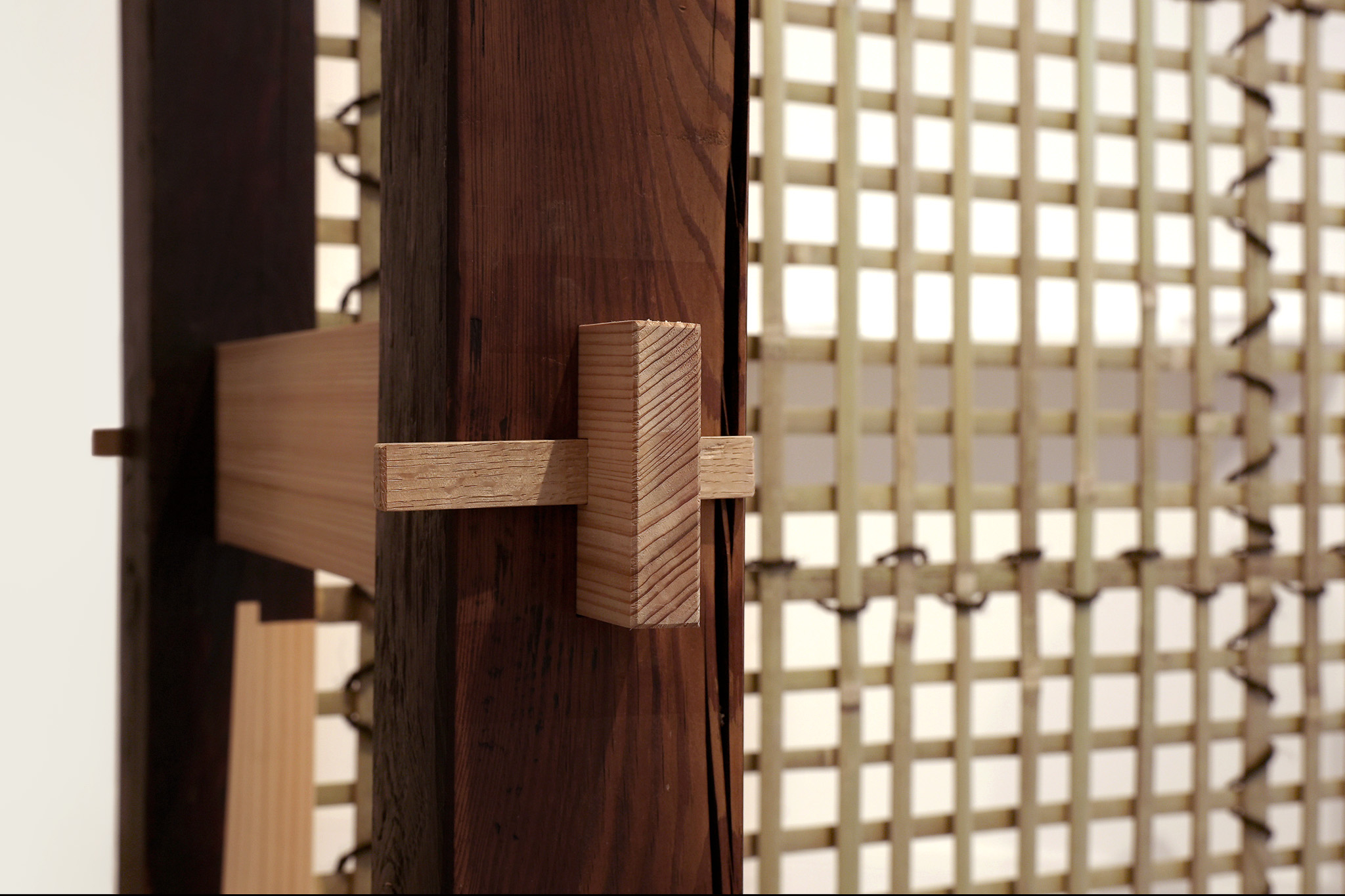
The allure of traditional construction techniques lies not only in their aesthetic beauty but also in their inherent rationality and enduring durability. One of the standout features of the stone-foundation traditional construction method (ishibadate) is its metal-free joinery—a hallmark of its craftsmanship and longevity.
What Is Stone-Foundation Traditional Construction?
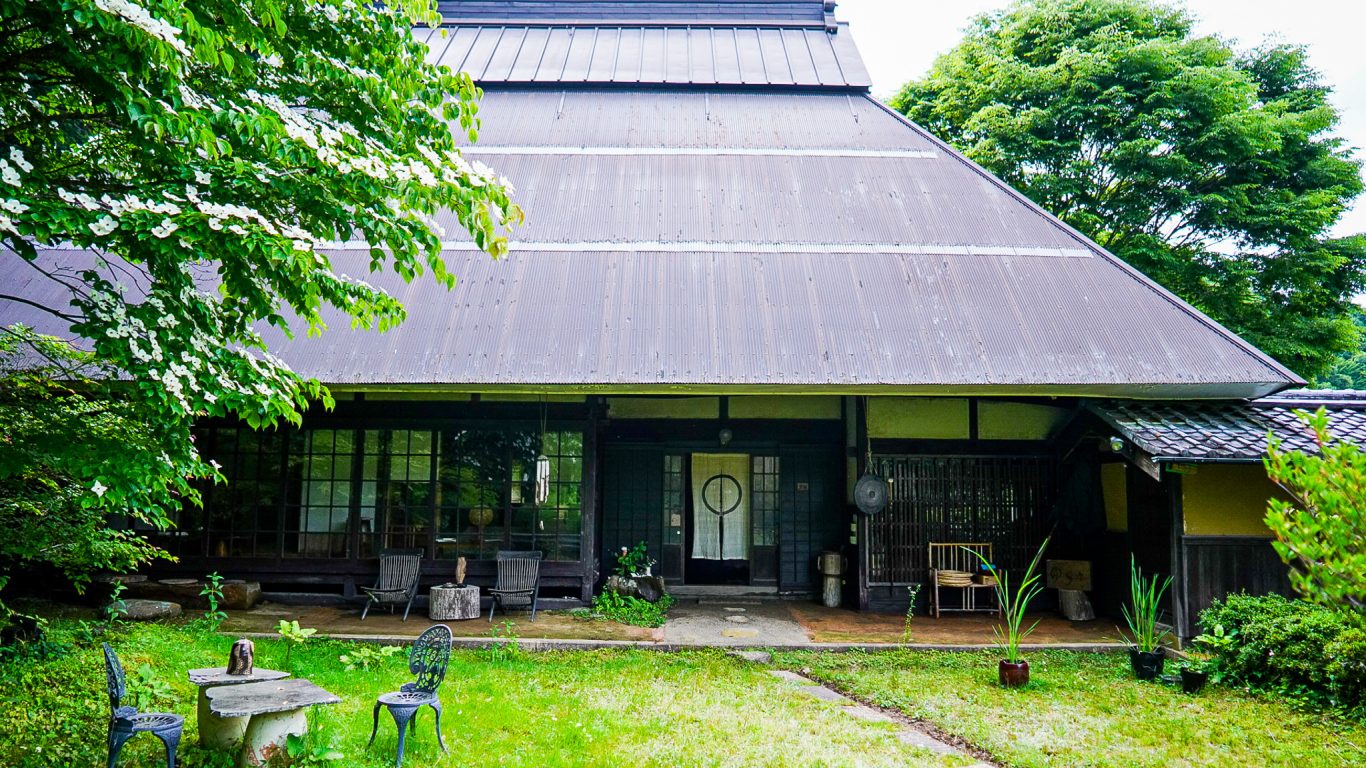
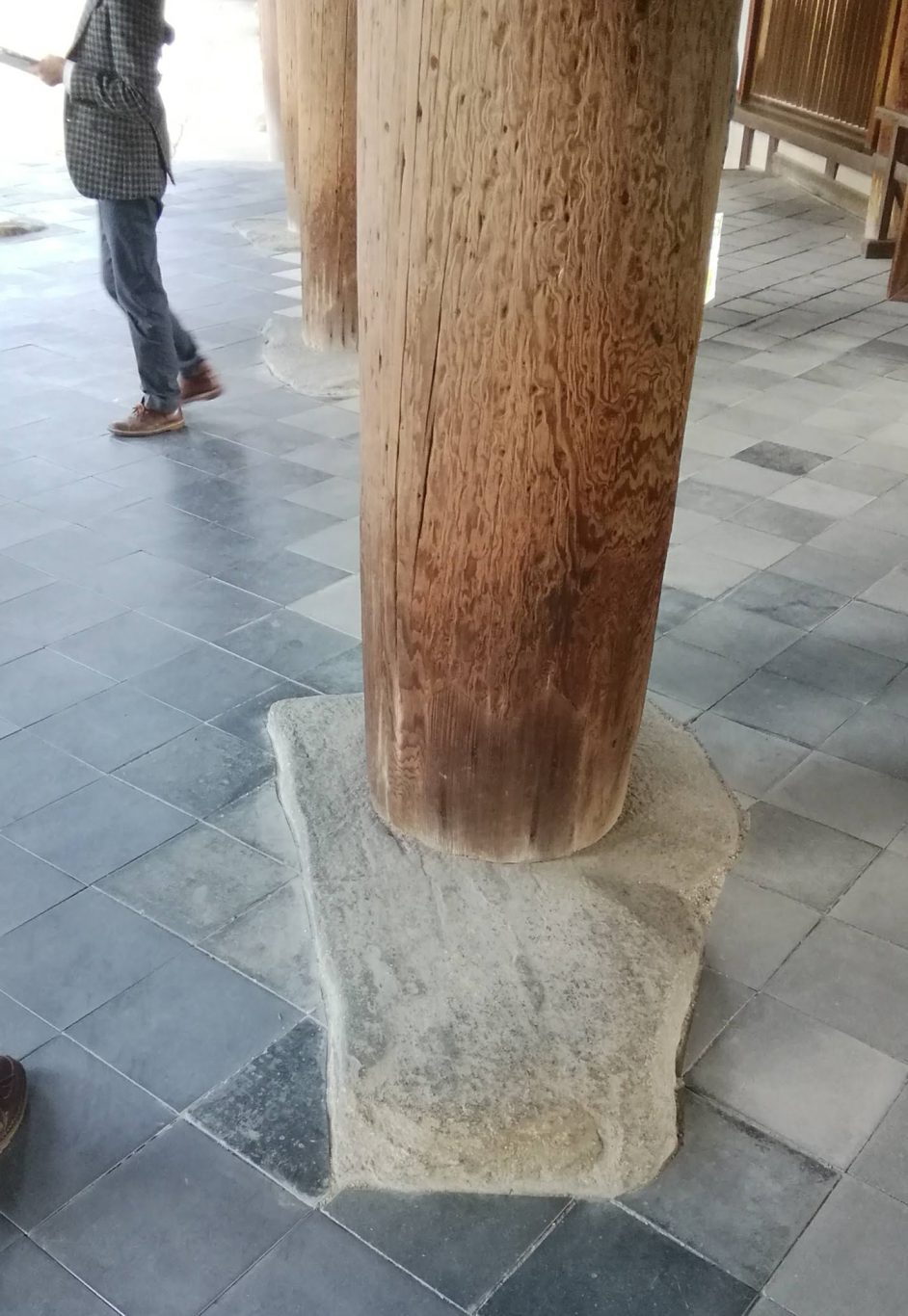
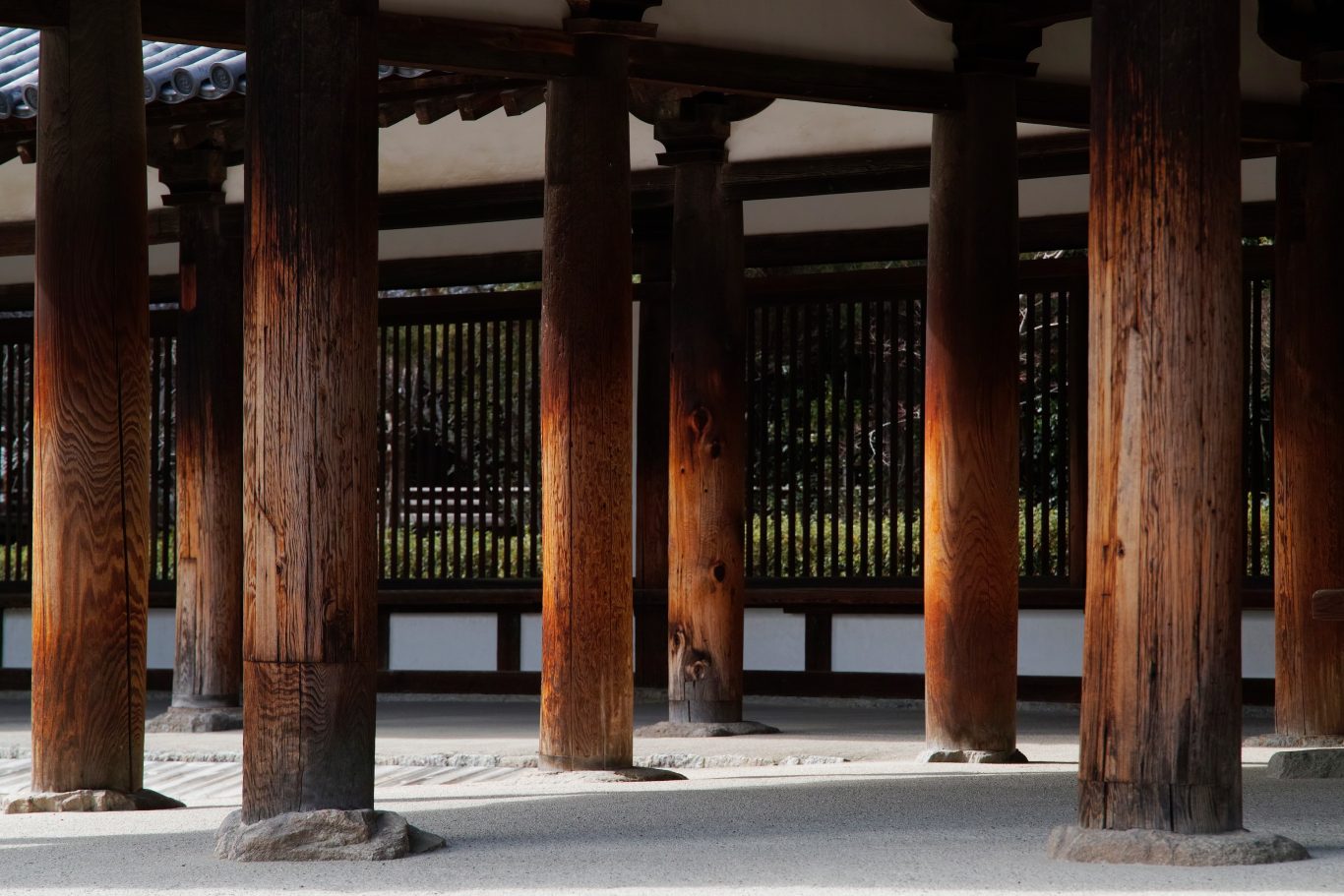
While the term ishibadate is relatively modern, the construction technique it describes has a long history. The method varies slightly by region and builder, but a shared characteristic is the complete absence of metal fasteners in the structure’s joints. This approach exemplifies a philosophy of using natural materials to their fullest potential.
Why Build Without Metal?
Avoiding the use of metal in traditional construction serves several critical purposes, particularly in enhancing the durability and harmony of the structure.
1. Improved Durability
Metal components such as nails, bolts, and brackets are prone to rust and degradation over time. This corrosion can weaken the surrounding wood, ultimately compromising the entire structure. By eliminating metal, traditional construction methods ensure longevity, with some buildings lasting 100 to 300 years or more.
2. Natural Material Synergy
Wooden joints adapt to the natural expansion and contraction of the material, accommodating changes in humidity, temperature, and seismic activity. This flexibility helps maintain the structure’s stability under external stresses.
Metal-Free Joinery Techniques
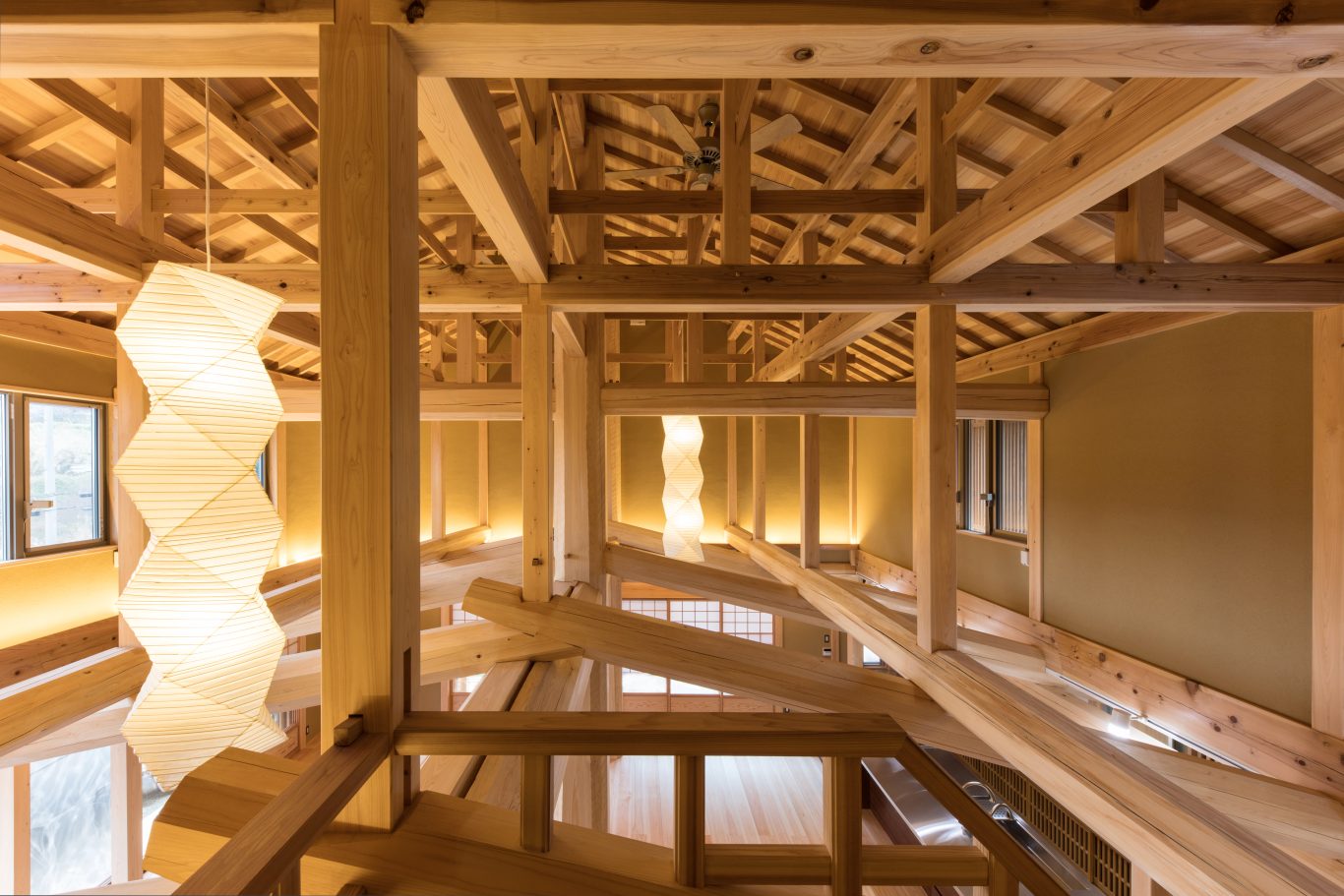
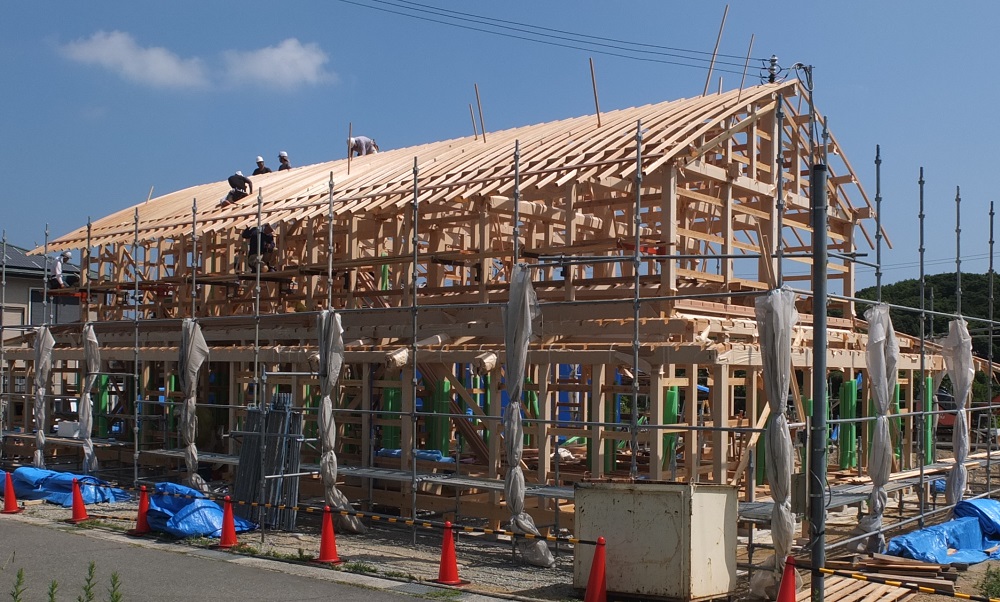
Traditional Japanese wooden architecture employs sophisticated joinery techniques that achieve remarkable strength without relying on metal. Some key methods include:
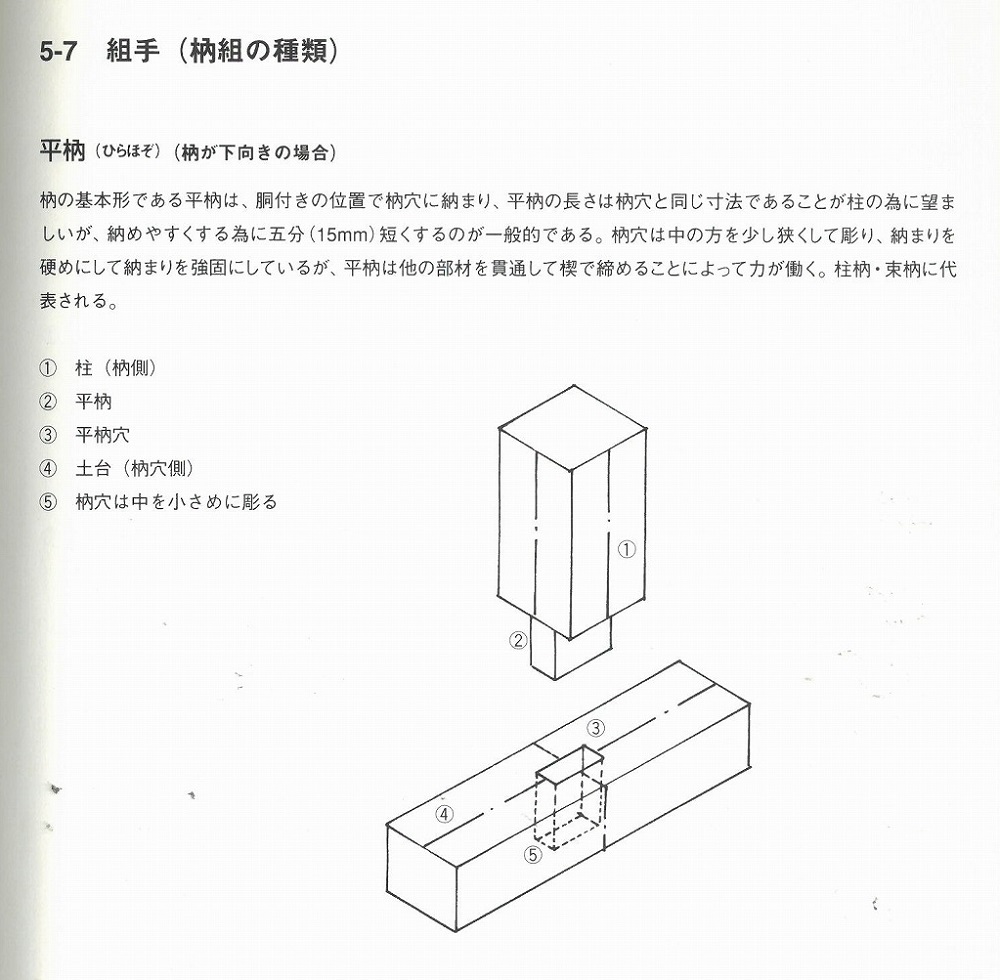
1. Hirahozō
A simple mortise and tenon joint commonly used to connect beams and pillars.
- Key Feature: Precision fit for basic structural integrity.(image)
2. Ariotoshi
A dovetail-like joint designed to prevent loosening, ensuring a snug and secure connection.
- Key Feature: Resists separation under load.(image)
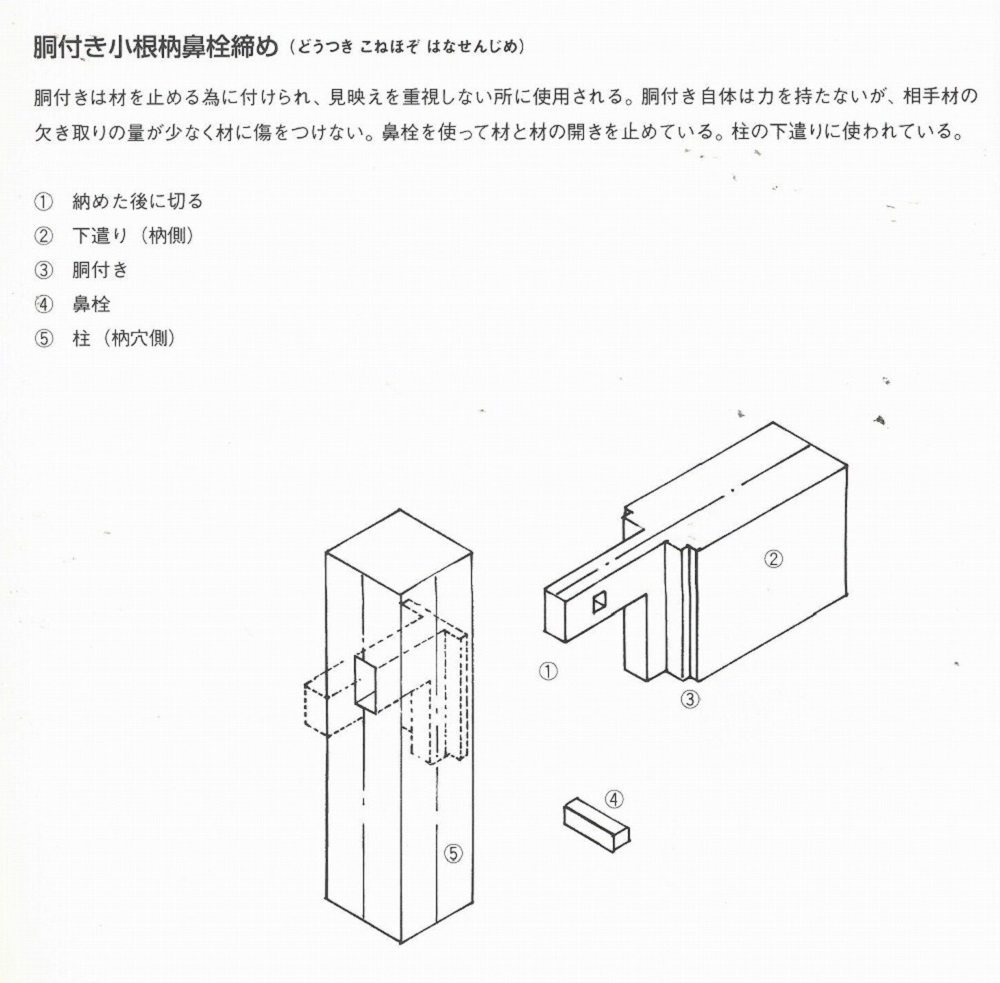
3. Dōzuki Komanehozo Kurumashirubushime
A highly intricate joinery method that maximizes the strength of the wood through meticulous carving.(image)
- Key Feature: Superior load-bearing capability.
4. Dōzuki Komanehozo Hanashirubushime
Another advanced joint designed for tight, durable connections, emphasizing craftsmanship.
- Key Feature: Strengthens structural bonds.(image)
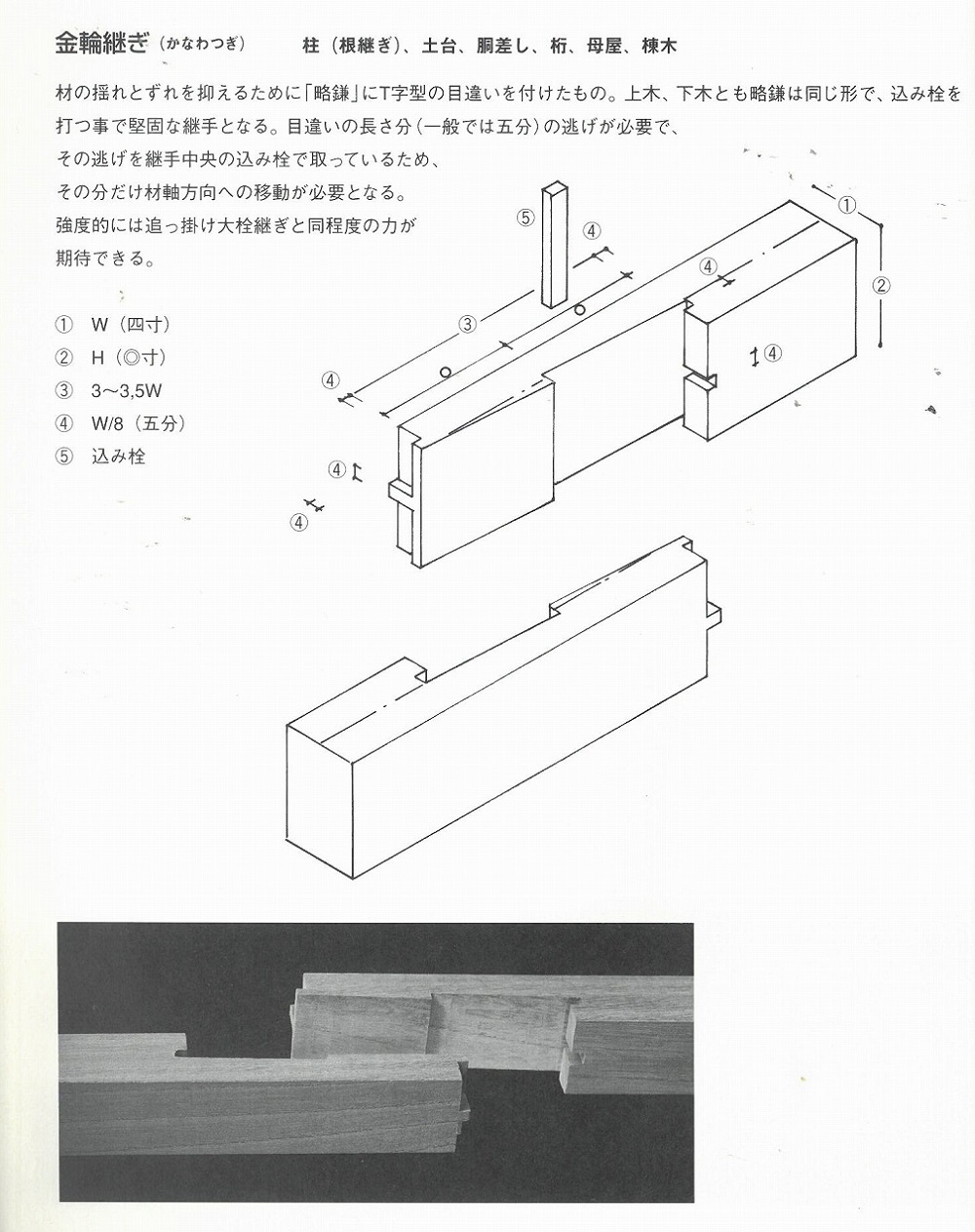
5. Kanawatsugi
Used for extending beams and columns, this technique seamlessly integrates wood pieces.
- Key Feature: Ensures continuity without visible joints.(image)
By combining these techniques, traditional builders create entirely metal-free structures that are both functional and aesthetically pleasing.
The Aesthetics of Metal-Free Construction
Building without nails, bolts, or plates results in a distinct elegance. The precisely crafted wooden joints fit seamlessly, reflecting the meticulous skill and care of the craftsman. This approach highlights the natural beauty of the wood, embodying a sustainable and harmonious relationship with nature.
Lessons for Modern Architecture
1. Sustainability
In an era of escalating environmental concerns, the demand for long-lasting, eco-friendly construction is growing. Metal-free architecture, which emphasizes renewable materials and longevity, offers a compelling solution.
2. Revisiting Craftsmanship
While modern construction prioritizes cost-efficiency and speed, the principles of traditional joinery remind us of the value of patience, skill, and a deep understanding of materials.
Conclusion
The metal-free construction techniques of ishibadate are not merely relics of the past but blueprints for a sustainable future. These methods reflect an enduring wisdom that balances practicality with aesthetics, showcasing the potential of natural materials to create structures that are both beautiful and long-lasting.
The timeless value of this tradition continues to inspire and guide us, offering lessons in sustainability, resilience, and respect for craftsmanship that remain profoundly relevant in the modern world.
Hitoshi Sato(Architect / CEO of Mokuzo-architect COCHI)
Mokuzou-architect COCHI do not buy the timber for their construction-projects from timber-markets, instead going to the mountains to buy directly from their trusted mountain foresters. With the slogan "To leave the world a beautiful landscape for 300 years to come", the company builds beautiful and resilient houses using the best materials, techniques, and designs. To build awareness of the origins of these trees, grown and tended by many generations of Yamamori, Kochi has started a tour that connects the mountains with the people who live in these special wooden houses.