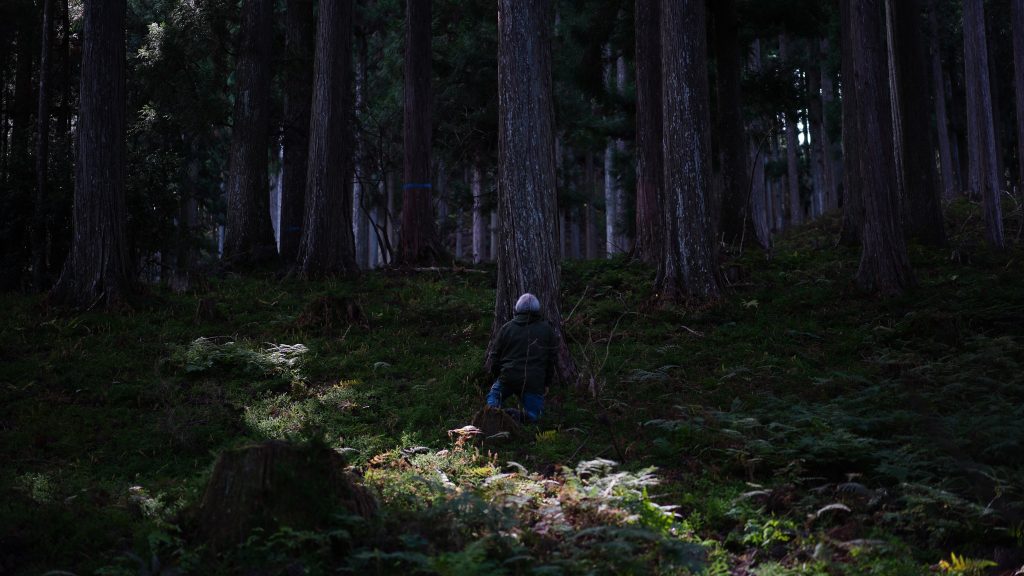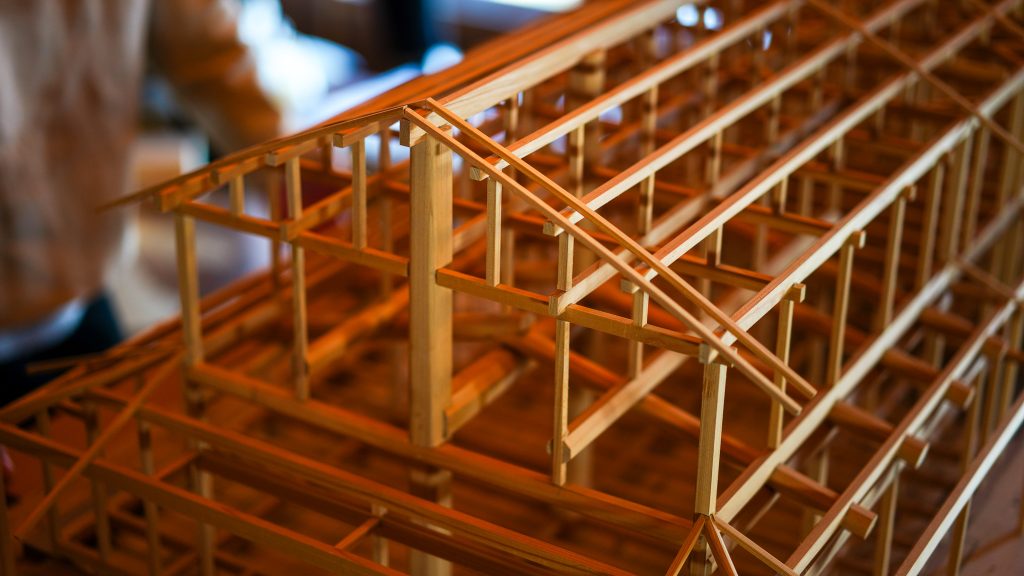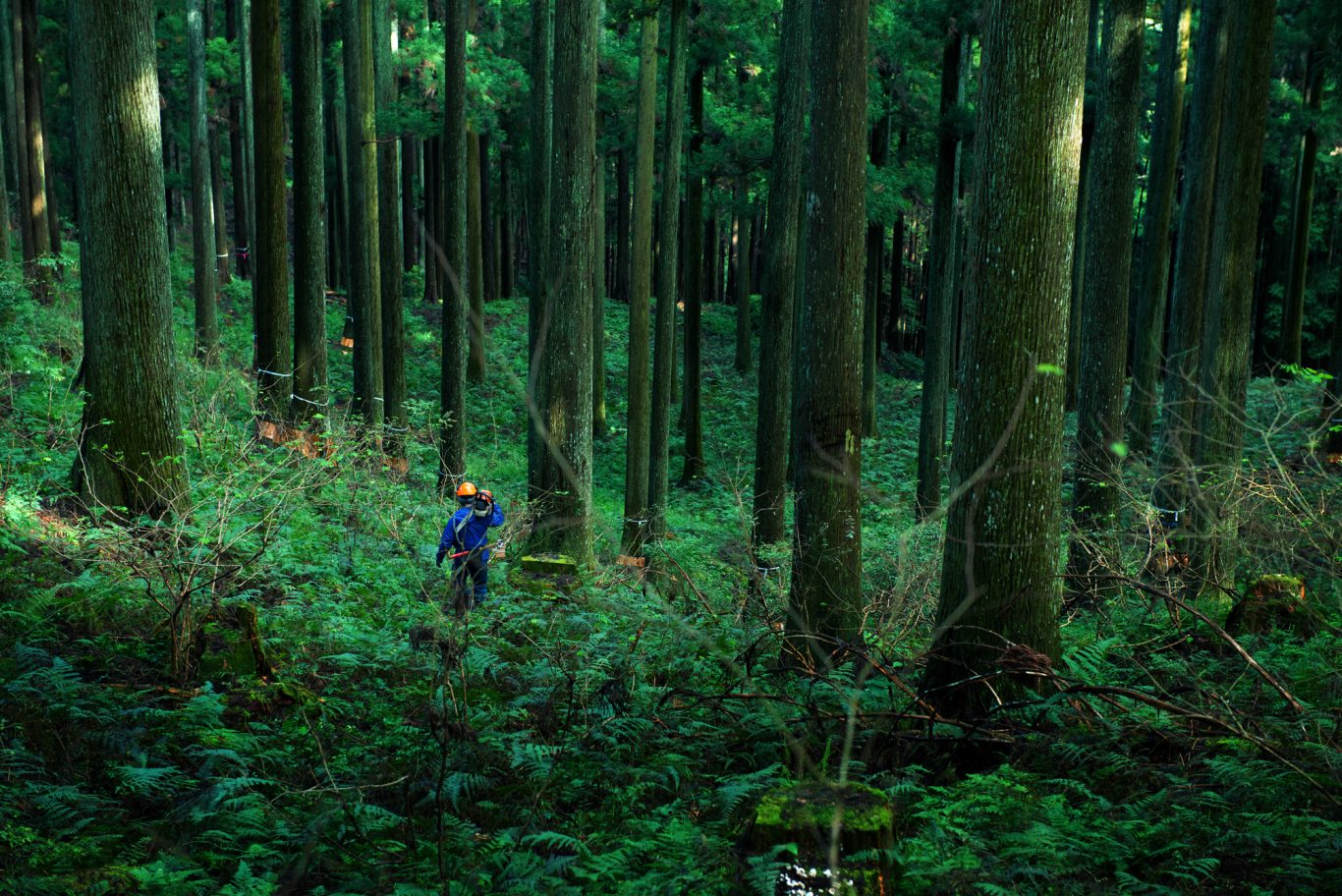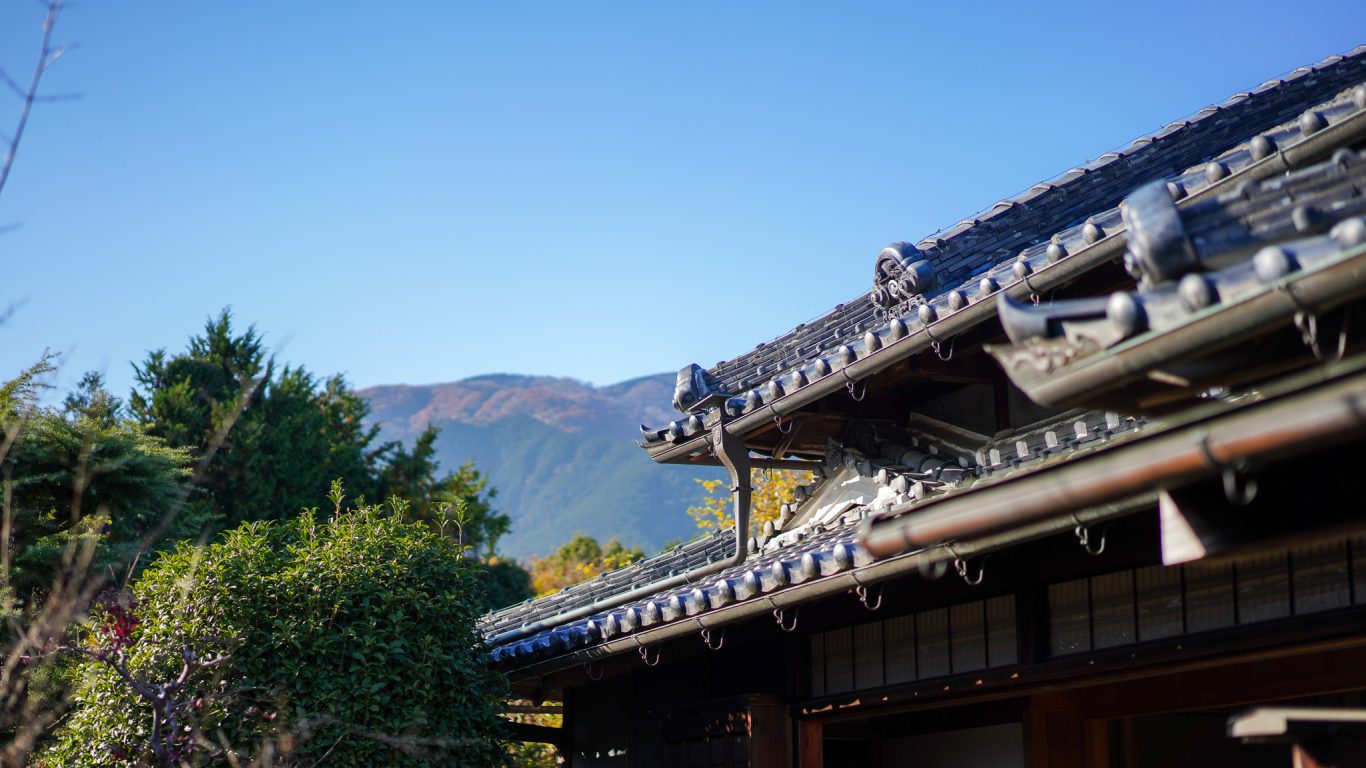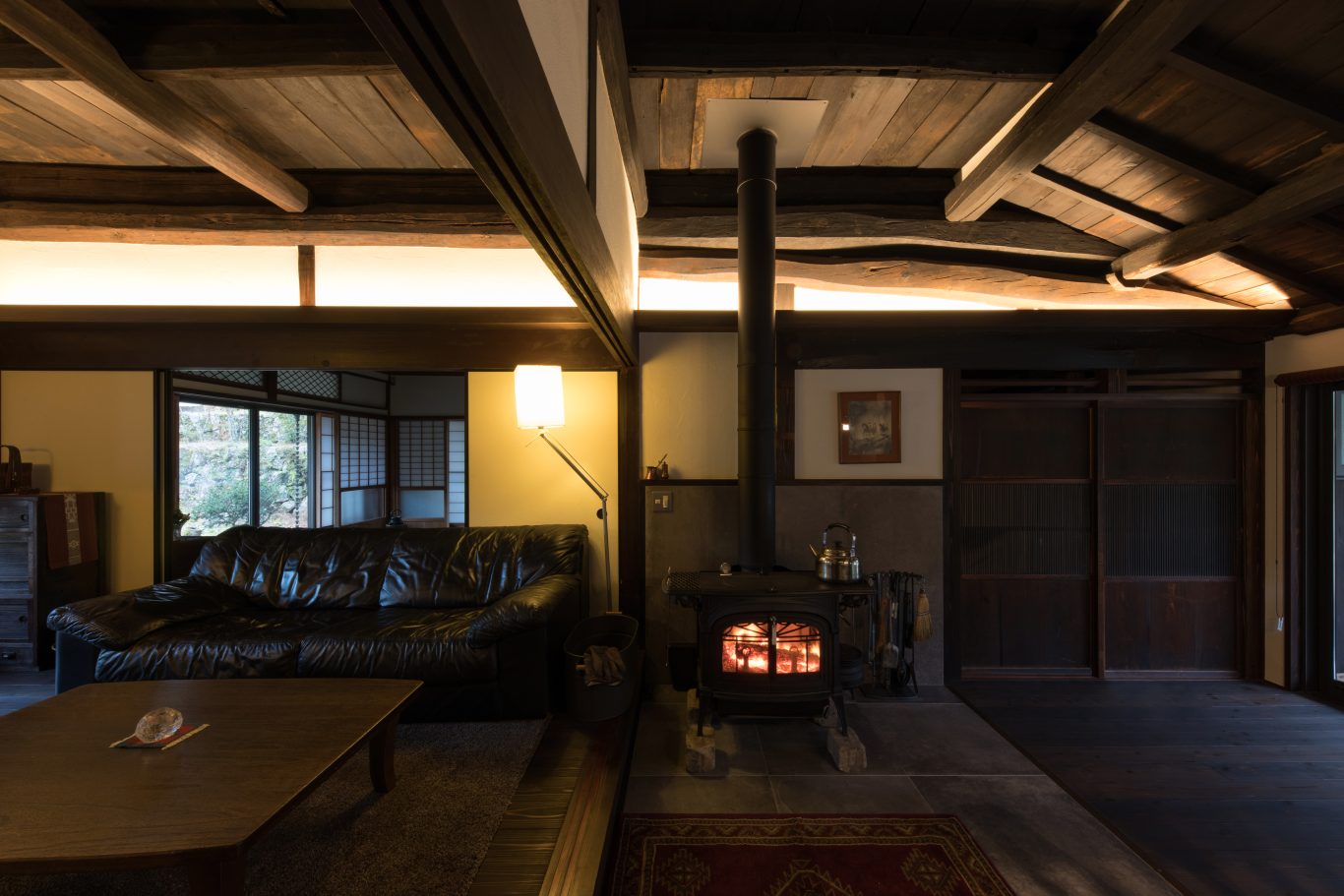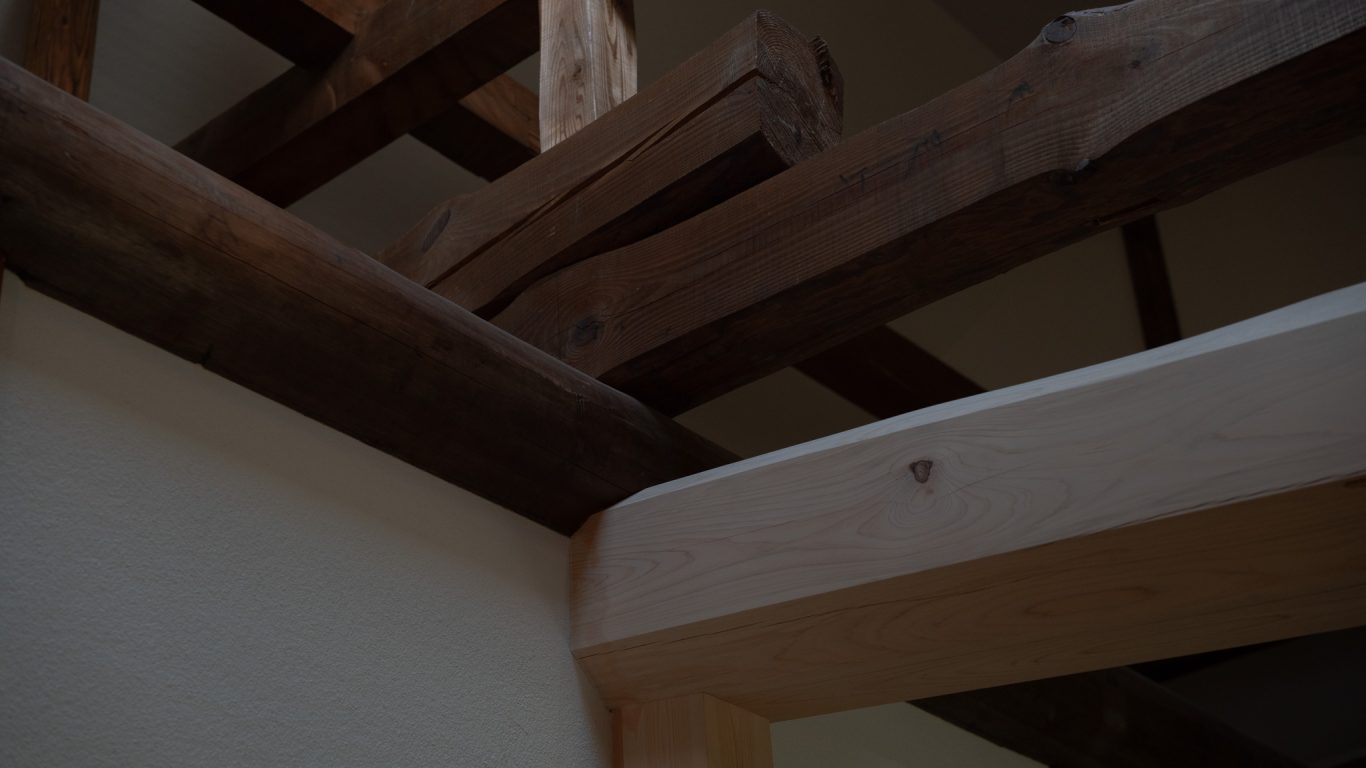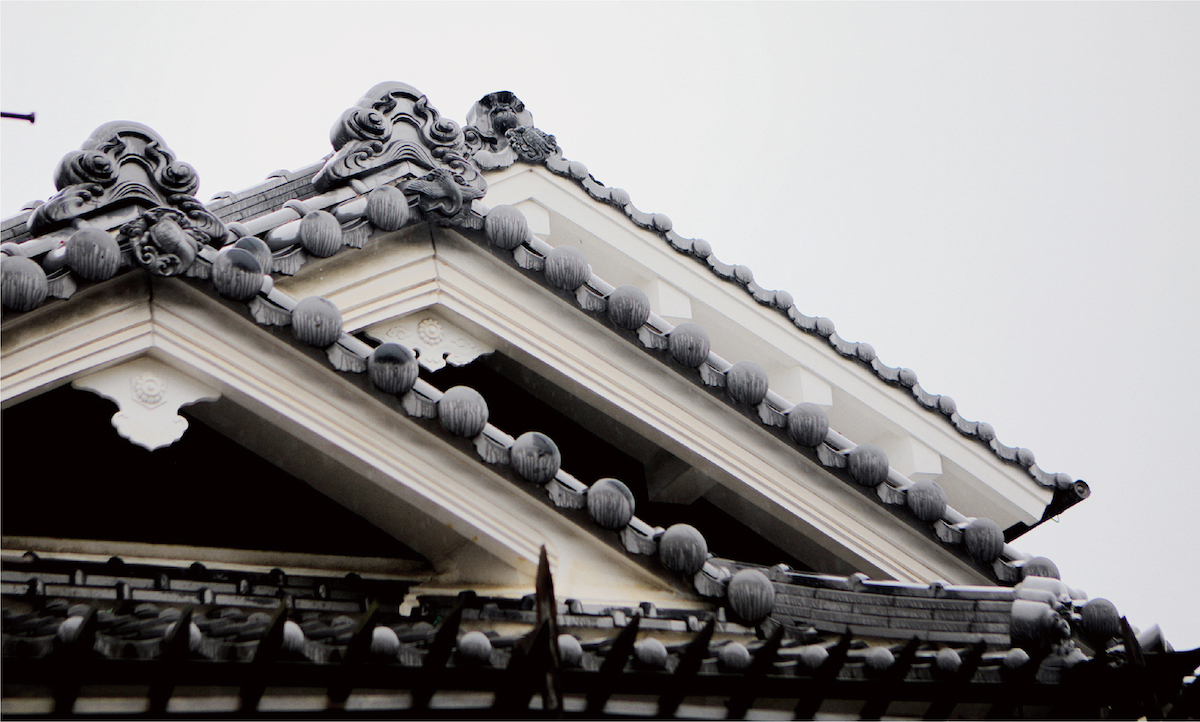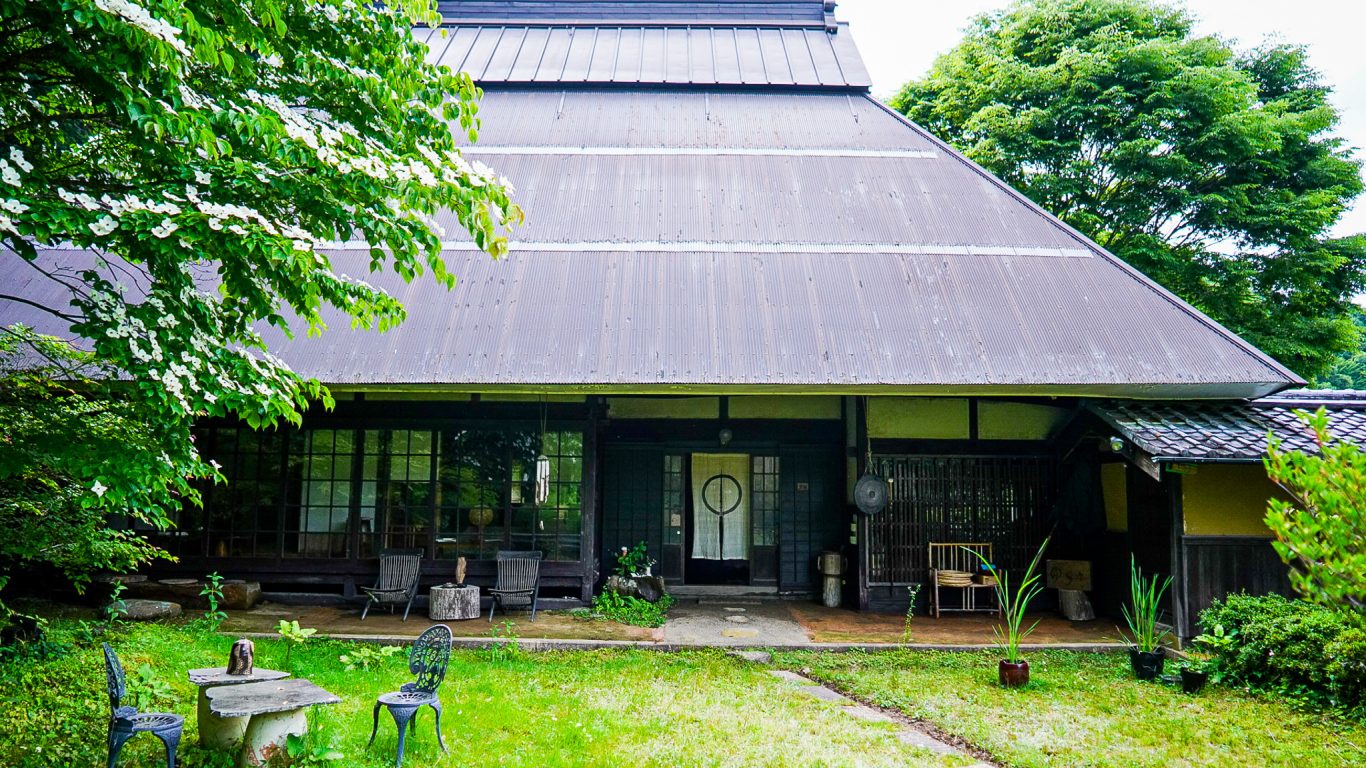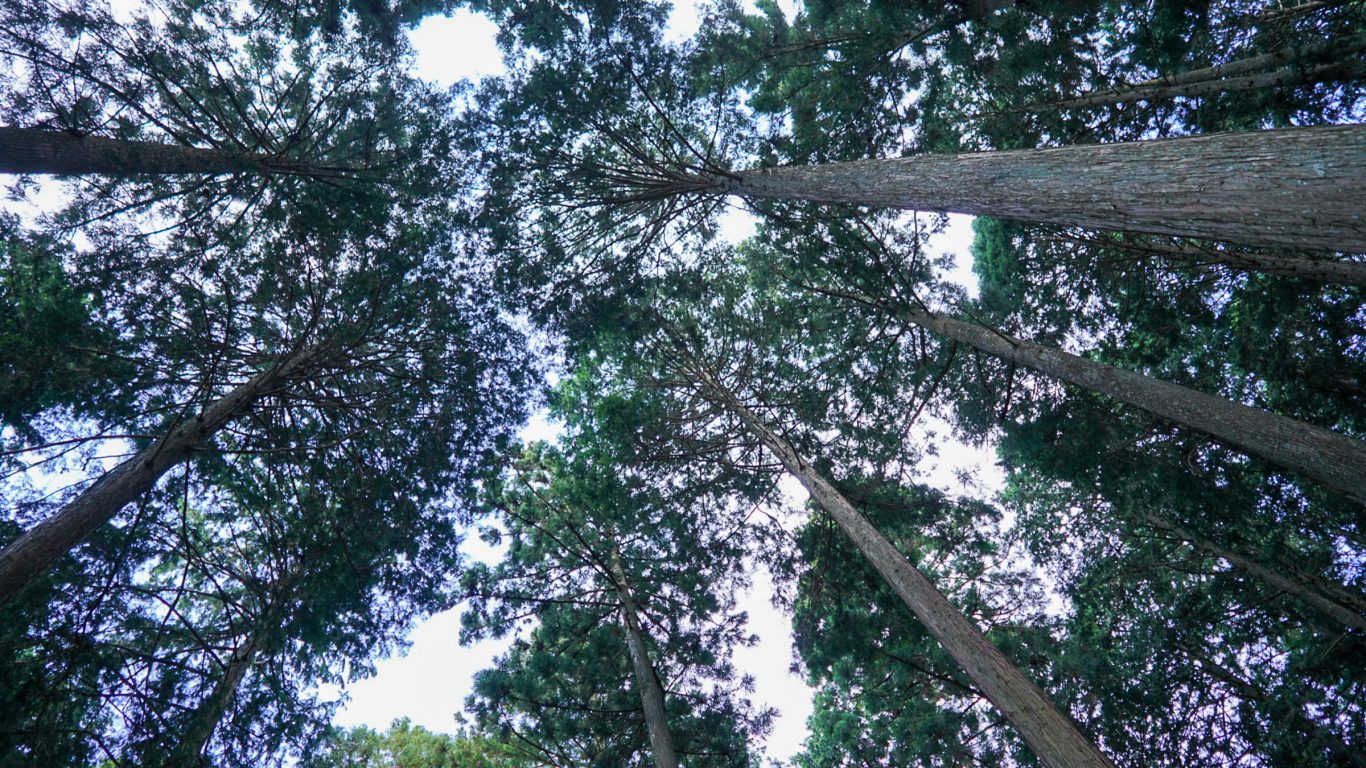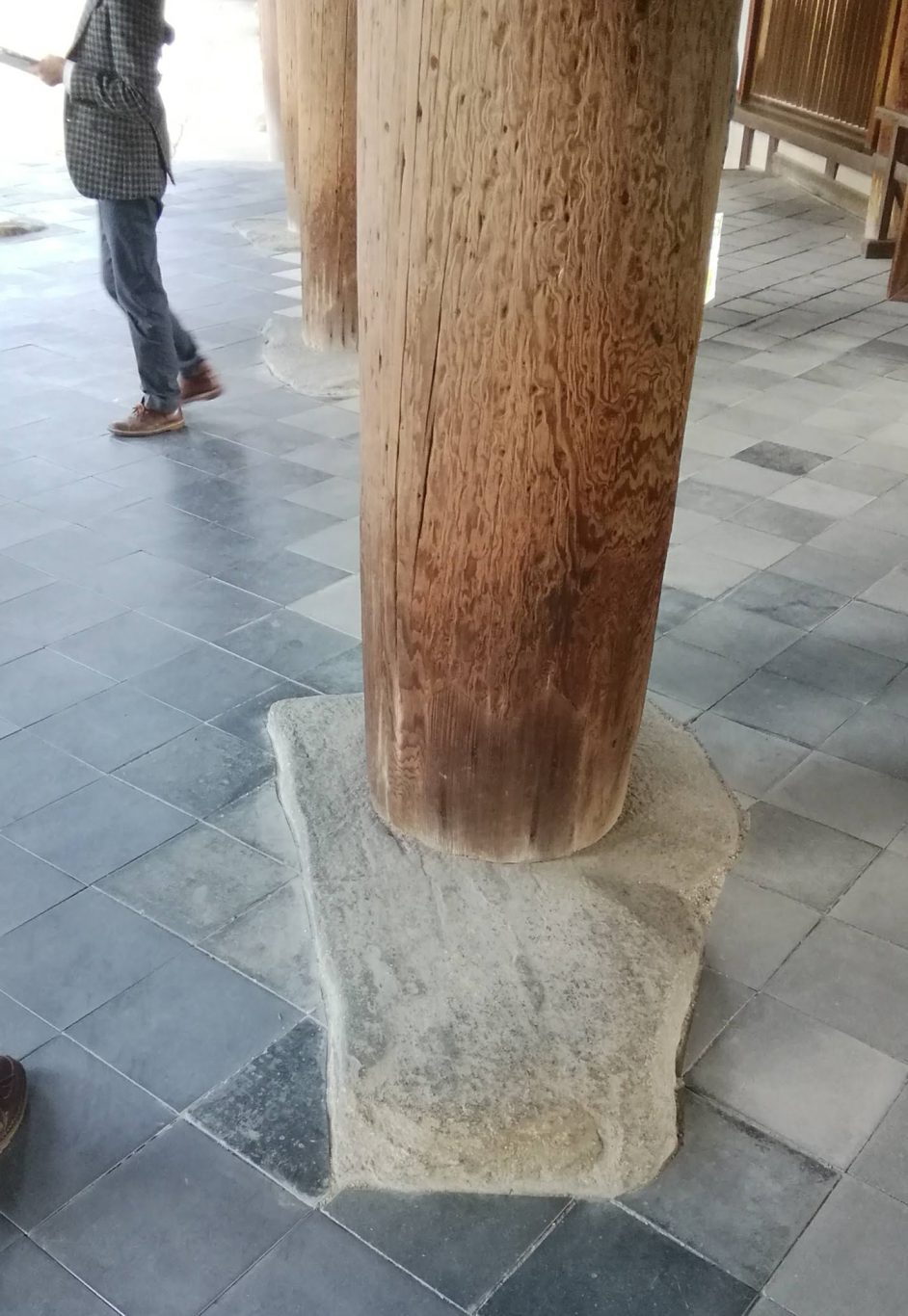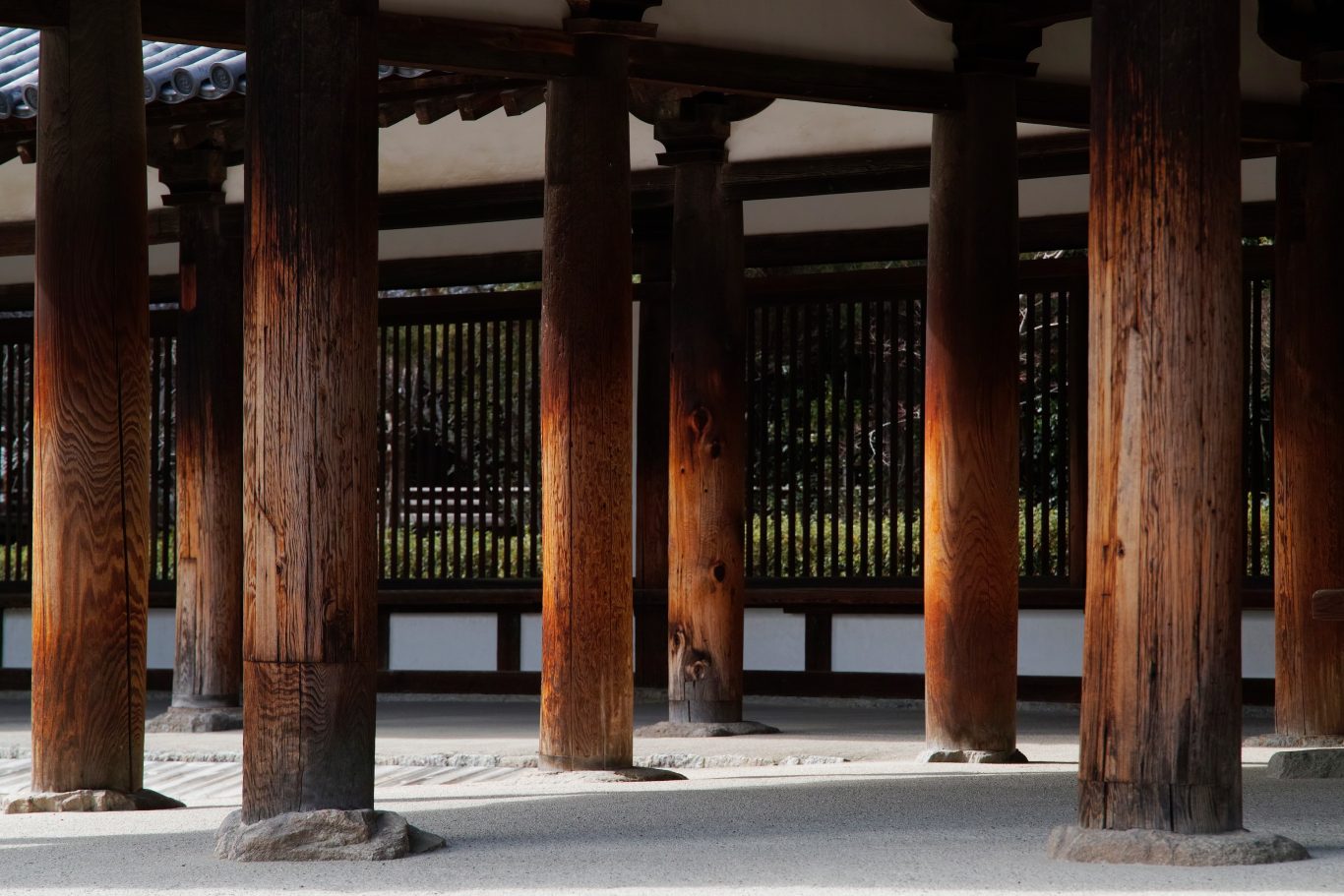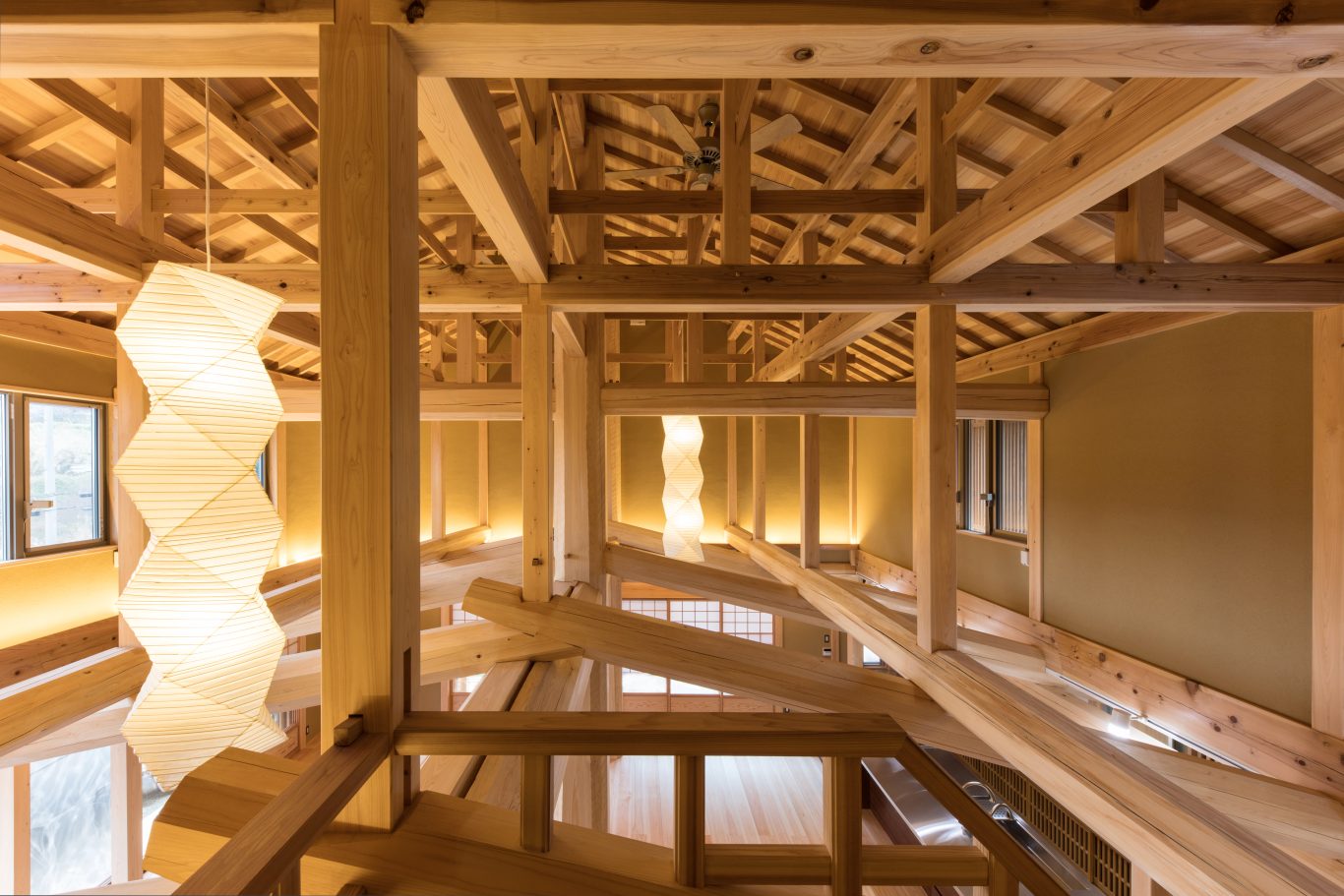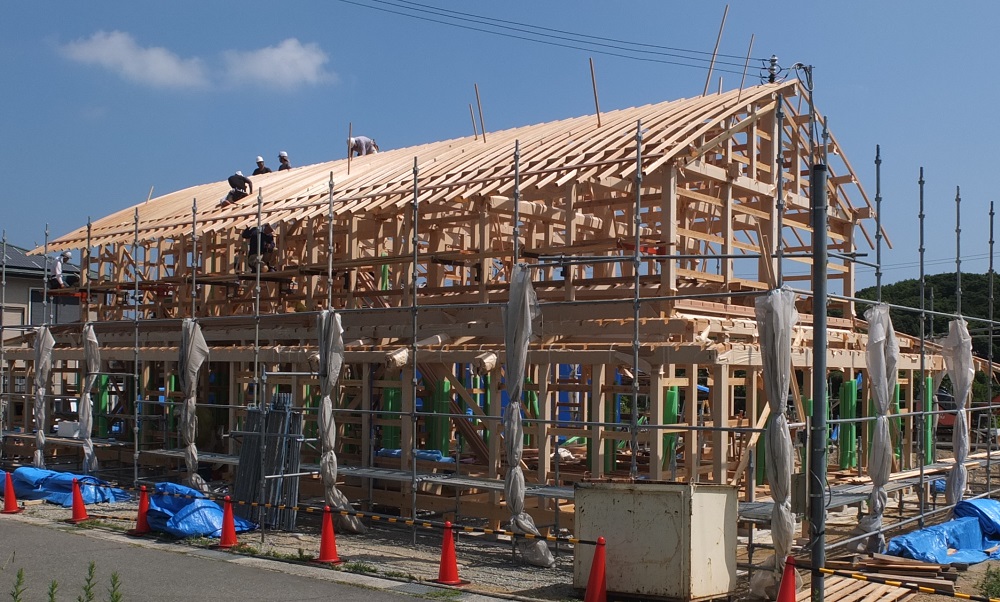
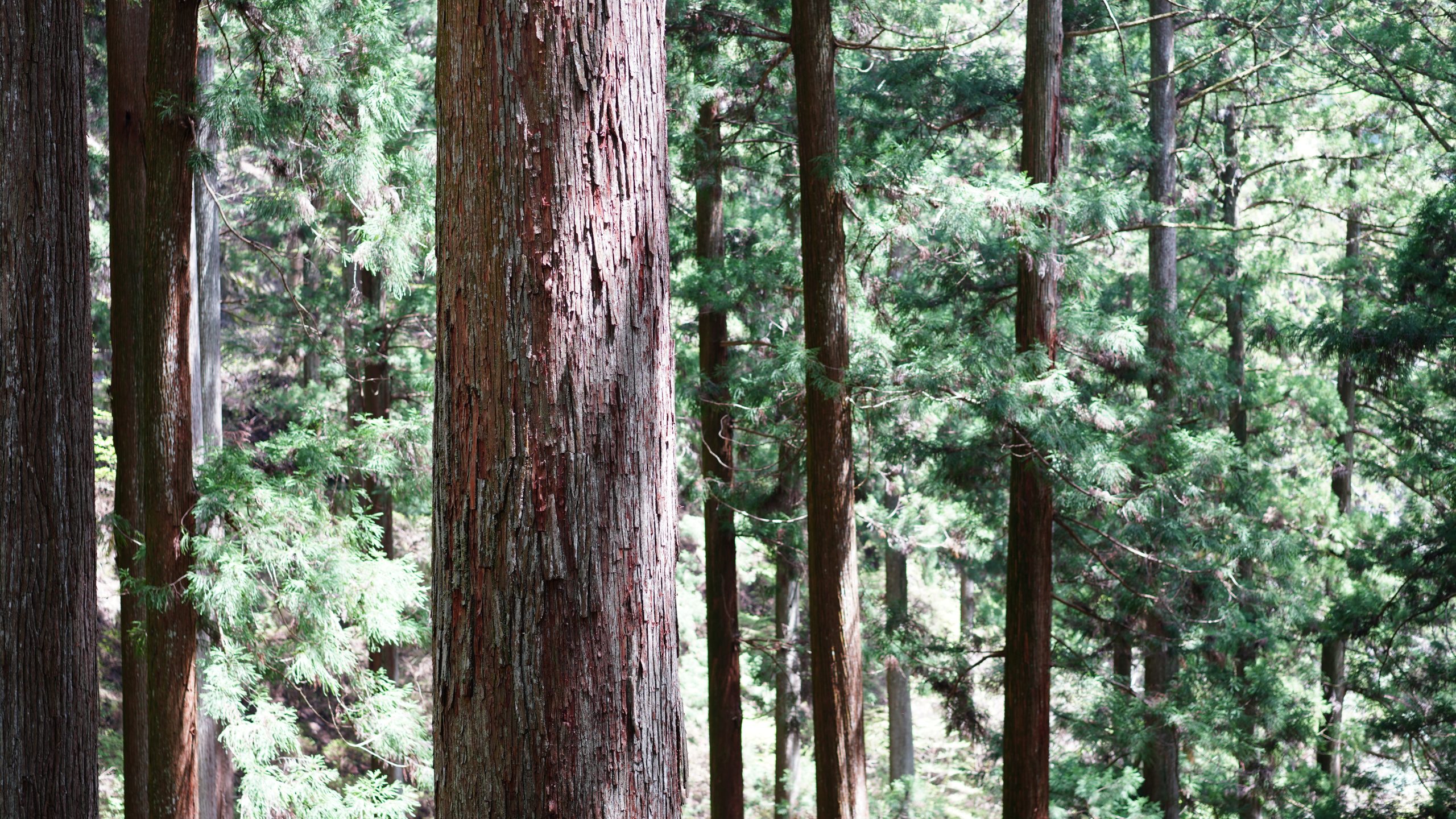
In the Yoshino region of Nara Prefecture, Yoshino cedar (Yoshino-sugi) stands as an enduring symbol of excellence in Japanese forestry. Its origins trace back to ancient times, when cedar from areas like Mount Miwa and Kasuga-yama was transplanted into Yoshino. Revered for its quality, Yoshino cedar has played a significant role in Japanese architecture and culture, as evidenced by records such as Emperor Go-Mizunoo’s use of Yoshino cedar and cypress in the construction of the Katsura Imperial Villa during the Keichō era (1596–1615). By this time, the reputation of Yoshino cedar had already spread far and wide, even reaching the Oki Islands, where its seeds were distributed.
The Beginnings of Artificial Afforestation in Yoshino
Yoshino forestry holds a distinguished place in history as one of Japan’s earliest adopters of artificial afforestation. The following timeline highlights the inception of afforestation efforts across the Yoshino region:
| Region | Period | Years Ago |
|---|---|---|
| Kawakami (Kawakami Village) | Bunki Era (1501–1503) | ~524 years |
| Kurotaki (Kurotaki Village) | Keian Era (1648–1652) | ~426 years |
| Nishioku (Part of Gojo City) | Kan’ei Era (1624–1644) | ~396 years |
| Kitayama (Shimokitayama Village) | Kan’ei Era (1624–1644) | ~386 years |
| Ogawa (Higashiyoshino Village) | Genroku Era (1688–1704) | ~334 years |
| Totsukawa (Totsukawa Village) | Kanbun Era (1661–1673) | ~363 years |
| Nakashō (Part of Yoshino Town) | Genroku Era (1688–1704) | ~321 years |
| Ikeda (Part of Yoshino Town) | Genroku Era (1688–1704) | ~337 years |
| Kunisu (Part of Yoshino Town) | Genroku Era (1688–1704) | ~336 years |
| Ryumon (Part of Yoshino Town) | An’ei Era (1772–1781) | ~253 years |
The forestry in Kawakami Village, dating back more than 500 years, marks the origin of one of Japan’s most celebrated timber cultivation traditions.
Historical Evidence of Yoshino Forestry’s Origins
Literary Records Supporting Bunki Origins
The widely recognized start of Yoshino forestry is recorded in the “Yoshino Forestry Encyclopedia”, which places its origins in the Bunki Era (1501–1503). Other historical documents further corroborate this timeline:
- “Shoshū Saiyaku-ki” (1729): This record by Uemura Saheiji, an herbal collector for the Edo shogunate, describes cedar plantations in the Kawakami region. It supports the theory that forestry began during the Bunki era.
- “Dai Nihon Sanrin-kai” Bulletin (1892): This report mentions the transplantation of 80 cedar saplings from Yakushima to Yoshino during the Bunji and Kenkyū eras (1185–1198). However, this appears to be an early experimental effort, with no direct connection to modern Yoshino cedar cultivation.
A Legacy Spanning Over 500 Years
Although pinpointing the exact origin of Yoshino forestry is challenging, it is undeniable that the practice has endured for more than half a millennium. The region’s unique climate, fertile soil, and the wisdom of its people have nurtured the growth of Yoshino cedar into one of Japan’s premier timber resources.
Yoshino Cedar: A National Treasure
Even today, Yoshino cedar continues to stand as a hallmark of quality, representing Japan’s rich cultural heritage and industrial pride. This remarkable legacy, rooted in centuries of dedication and innovation, is not just the pride of the Yoshino region but also a testament to Japan’s forestry excellence on the global stage.