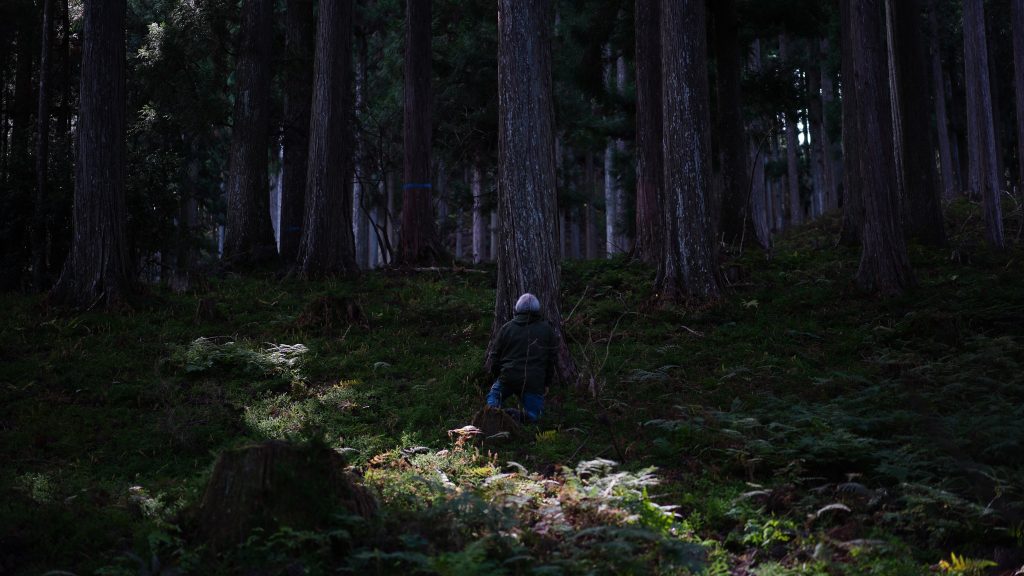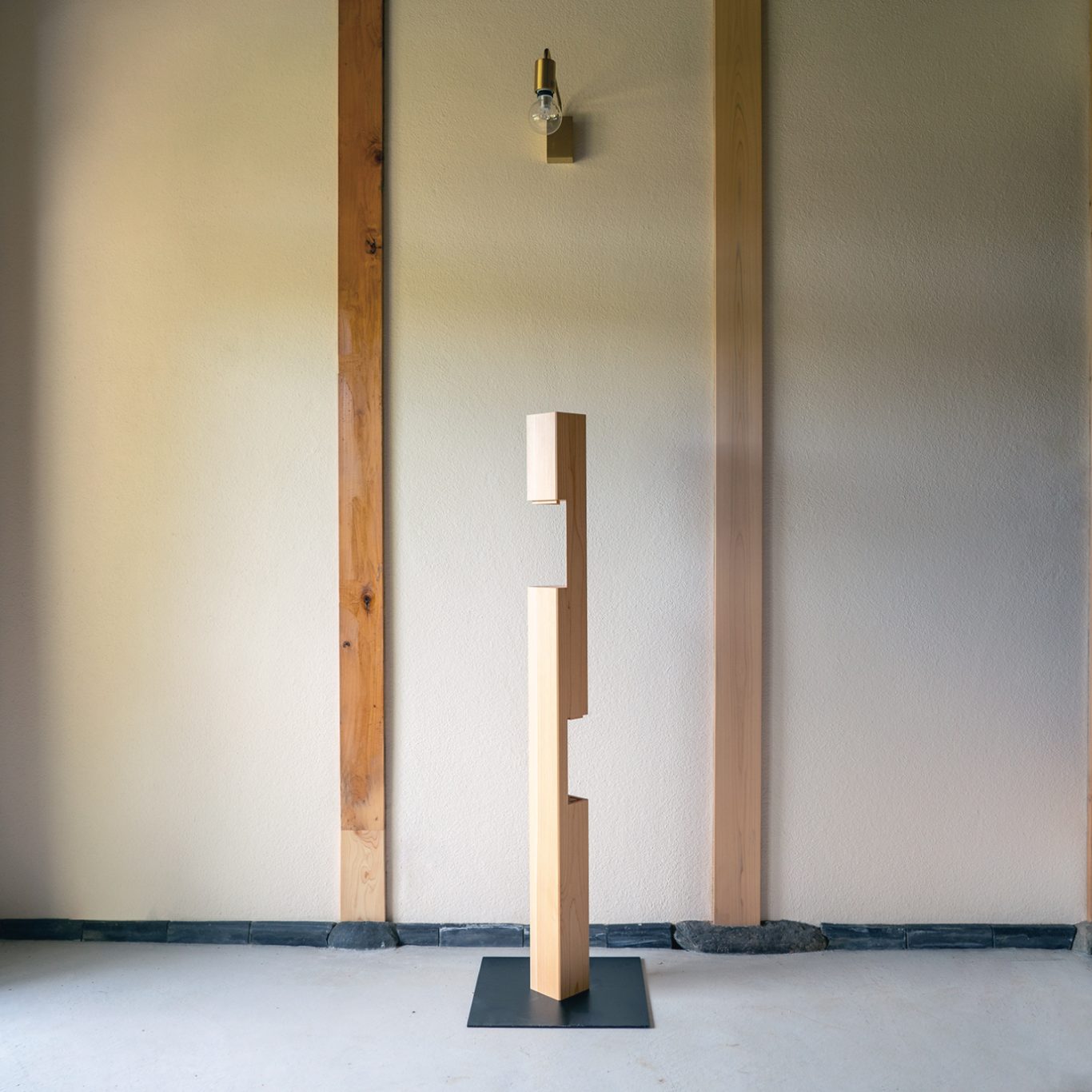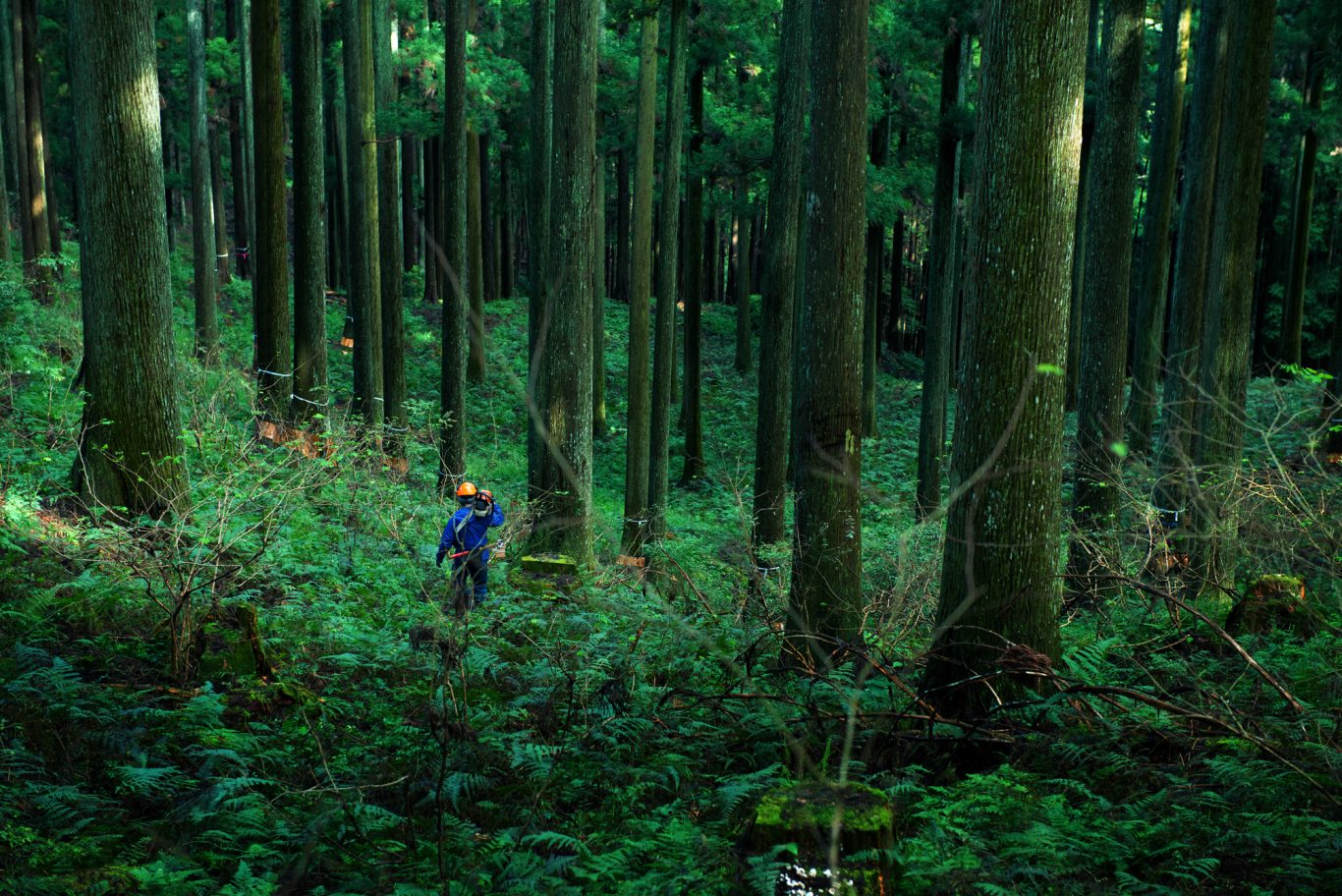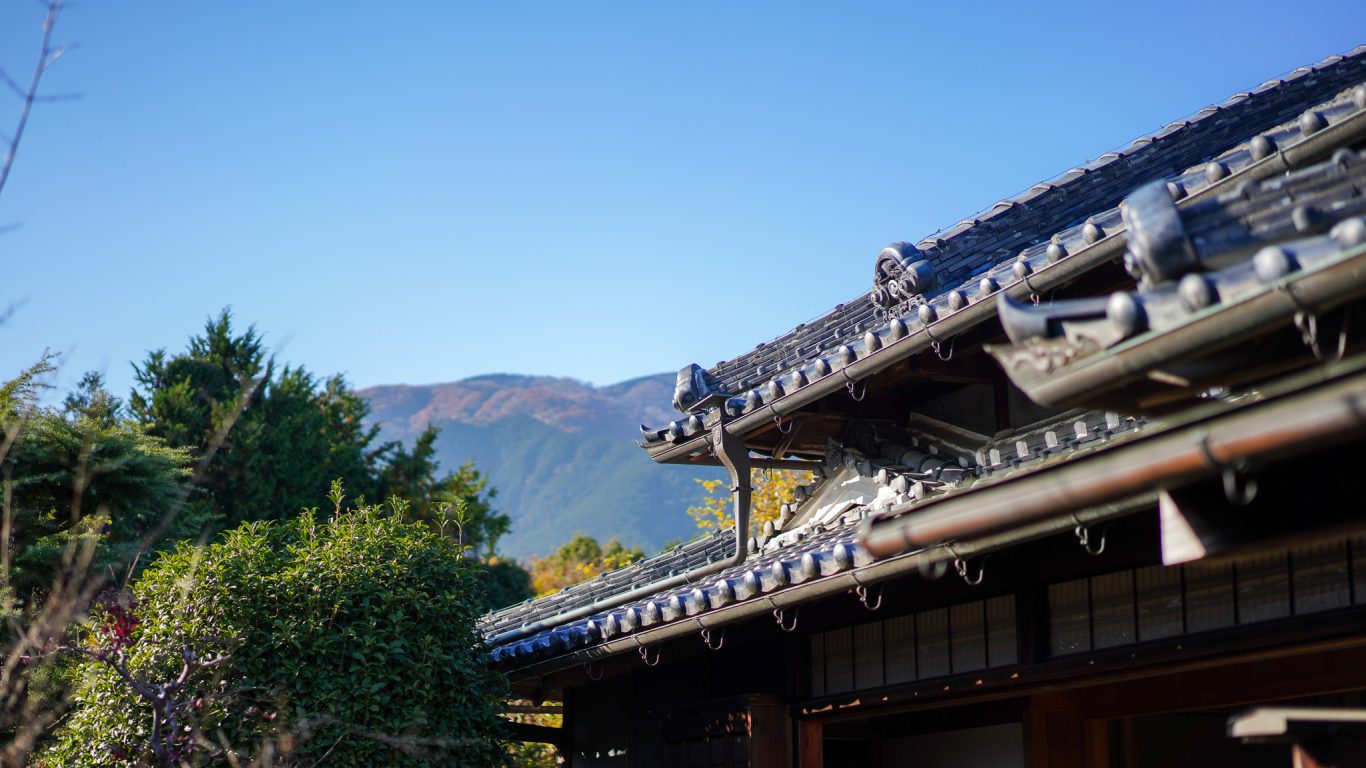
Yoshino forestry, rooted in the artificial afforestation efforts of the Bunki era (1501–1503), reached industrial maturity during the Genroku era (1688–1704). The introduction of two groundbreaking systems—the Leasehold Forestry System (Shakuchi-rin) and the Mountain Steward System (Yamamori)—transformed Yoshino forestry into a highly specialized and organized industry. These systems significantly impacted the region’s economy and social fabric, driving the development of a sustainable forestry model that endures to this day.
The Leasehold Forestry System: Integrating External Capital
As deforestation advanced in Yoshino due to extensive logging, including for projects like Toyotomi Hideyoshi’s Osaka Castle, the region’s natural forests dwindled. To sustain forestry operations, the leasehold system allowed commercial and landlord capital to play a pivotal role in afforestation and management.
Background and Purpose
- The large-scale logging depleted natural forests, compelling locals to sell forest revenue to pay taxes.
- To address the financial shortfall, commercial and landlord capital from outside the region entered the forestry sector, initiating the leasehold forestry system.
How the System Worked
- External Stakeholders: Merchants and landlords acquired usage rights for local forests.
- Operational Focus: These stakeholders oversaw timber harvesting and reforestation, introducing advanced techniques and expanding markets for Yoshino timber.
This system marked a shift from subsistence forestry to a more commercialized and technologically advanced industry, laying the foundation for Yoshino’s prominence in timber production.
The Mountain Steward System: Empowering Local Labor
The Mountain Steward System complemented the leasehold system by entrusting forest management to trustworthy local leaders (yamamori), particularly when external landlords were unable to directly manage their holdings.
Roles and Responsibilities of Mountain Stewards
- Stewards oversaw reforestation, weeding, thinning, and general forest care.
- They employed local labor for forestry operations, creating jobs and stabilizing the local economy.
- Compensation was performance-based, incentivizing the production of high-quality timber.
The Yoshino-Style Forestry Method
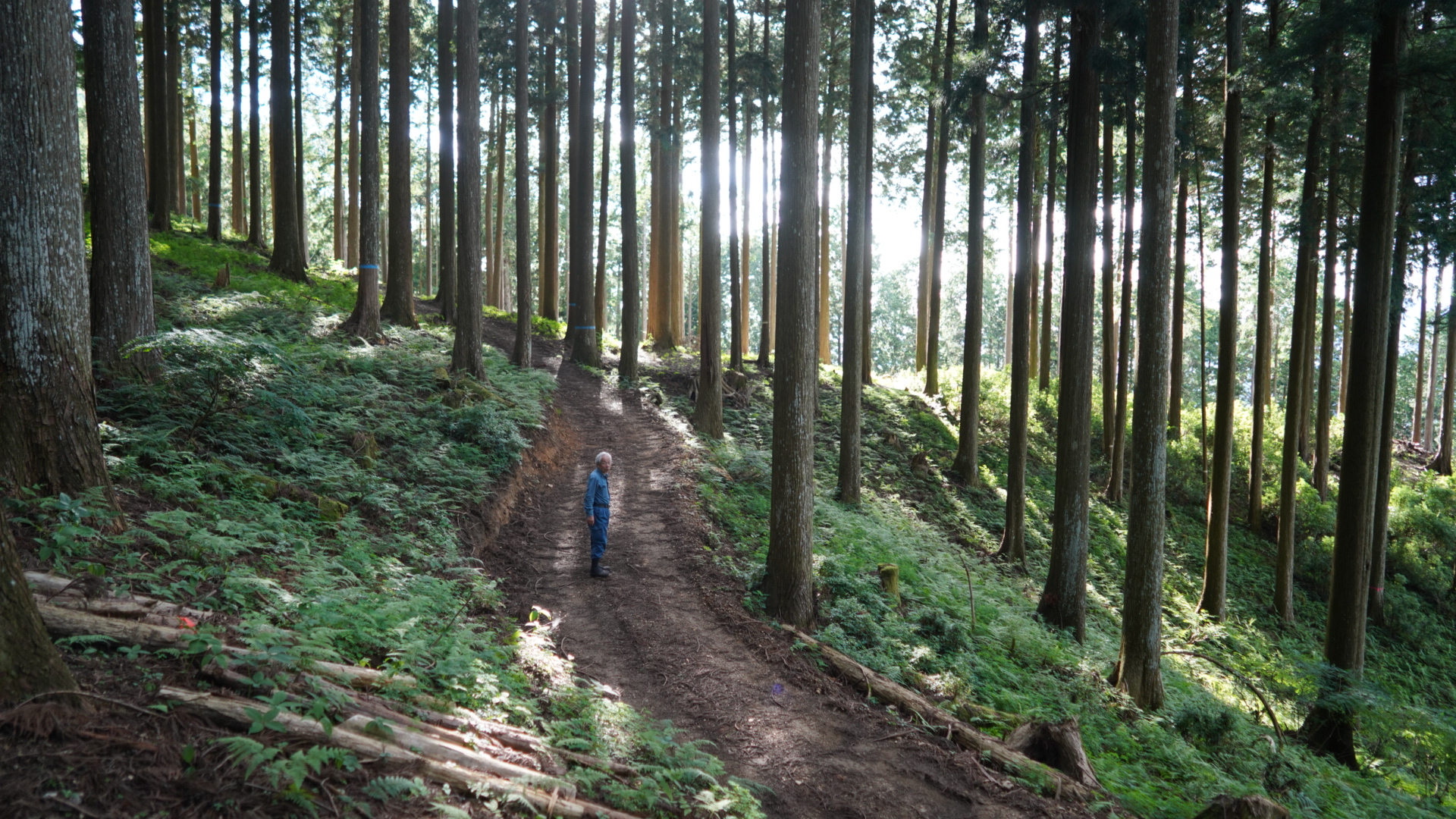
Yoshino forestry developed a highly intensive and systematic management approach characterized by:
- Dense Planting: Maximizing the number of saplings per area to encourage uniform growth.
- Frequent Thinning: Periodic removal of trees to improve the quality of remaining timber.
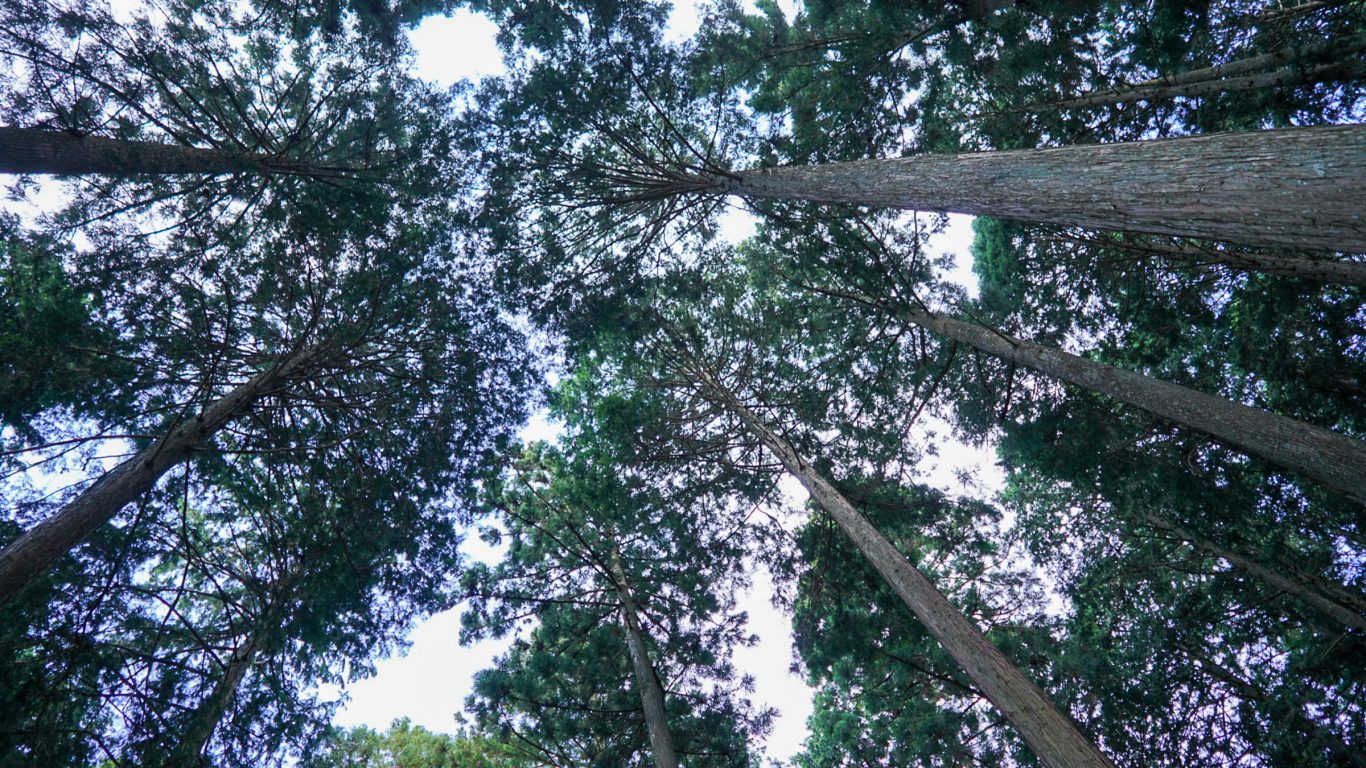
- Long Harvesting Cycles: Trees were often allowed to grow for 200–300 years, producing premium-quality wood.
This method not only ensured superior timber but also generated continuous labor demand, fostering economic development in the region.
Social Impact and Challenges of Yoshino Forestry
Social Significance
- Collaboration Between Local and External Stakeholders: The leasehold and mountain steward systems exemplified a cooperative model, integrating external resources with local expertise.
- Sustainable Forestry Practices: Long harvest cycles and meticulous management became hallmarks of Yoshino forestry, resulting in timber of exceptional quality.
Modern Challenges
Despite its historical success, Yoshino forestry faces several pressing issues in the modern era:
- Labor Shortages: An aging workforce and declining interest in forestry among younger generations threaten the industry’s continuity.
- Technological Innovation: The need for advancements in timber processing and efficient logistics remains critical.
- Market Expansion: Domestic timber markets must be revitalized through innovative marketing and broader consumer adoption.
Legacy and Future Prospects
While the leasehold forestry system dissolved following the implementation of Japan’s Land Registry Act in the Meiji era, the mountain steward system persists in a modified form, serving as a cornerstone of local forest management. Yoshino forestry continues to evolve, balancing its rich historical practices with the need for sustainable innovation.
By preserving its historical techniques and adapting to modern demands, Yoshino forestry represents not only a model of resource management but also a beacon for sustainable forestry practices worldwide. Its legacy serves as a reminder that the wisdom of the past can guide the challenges of the future.