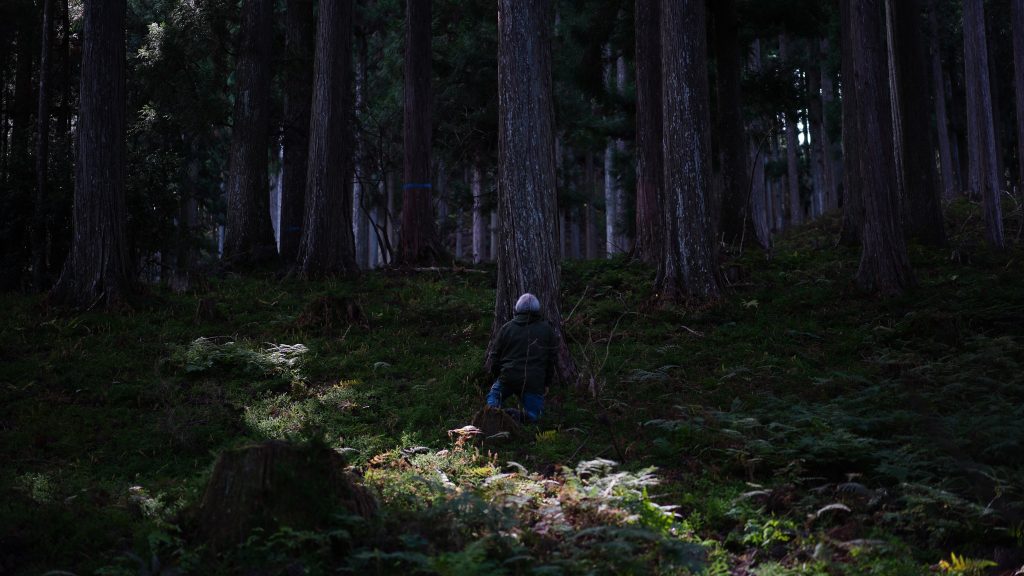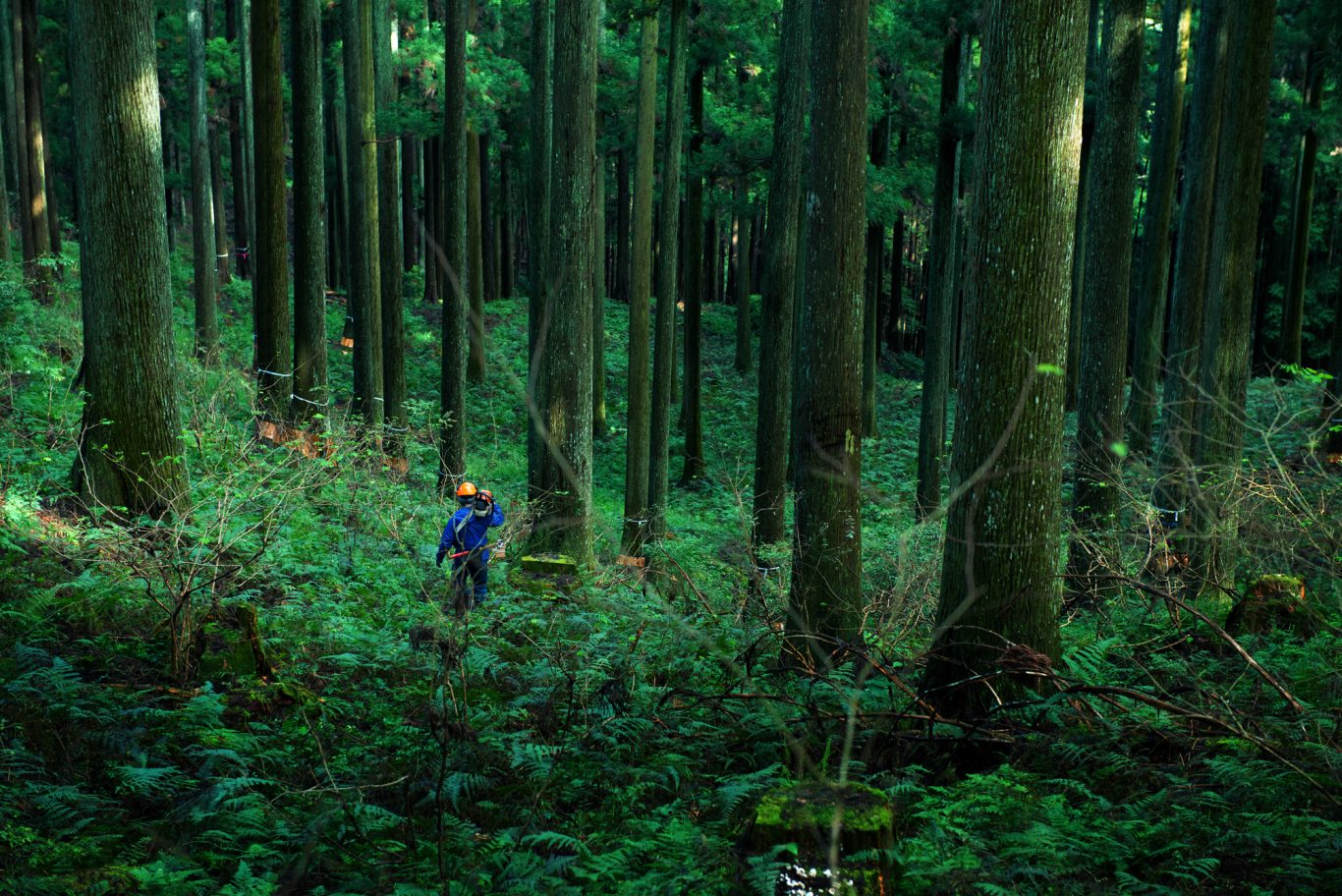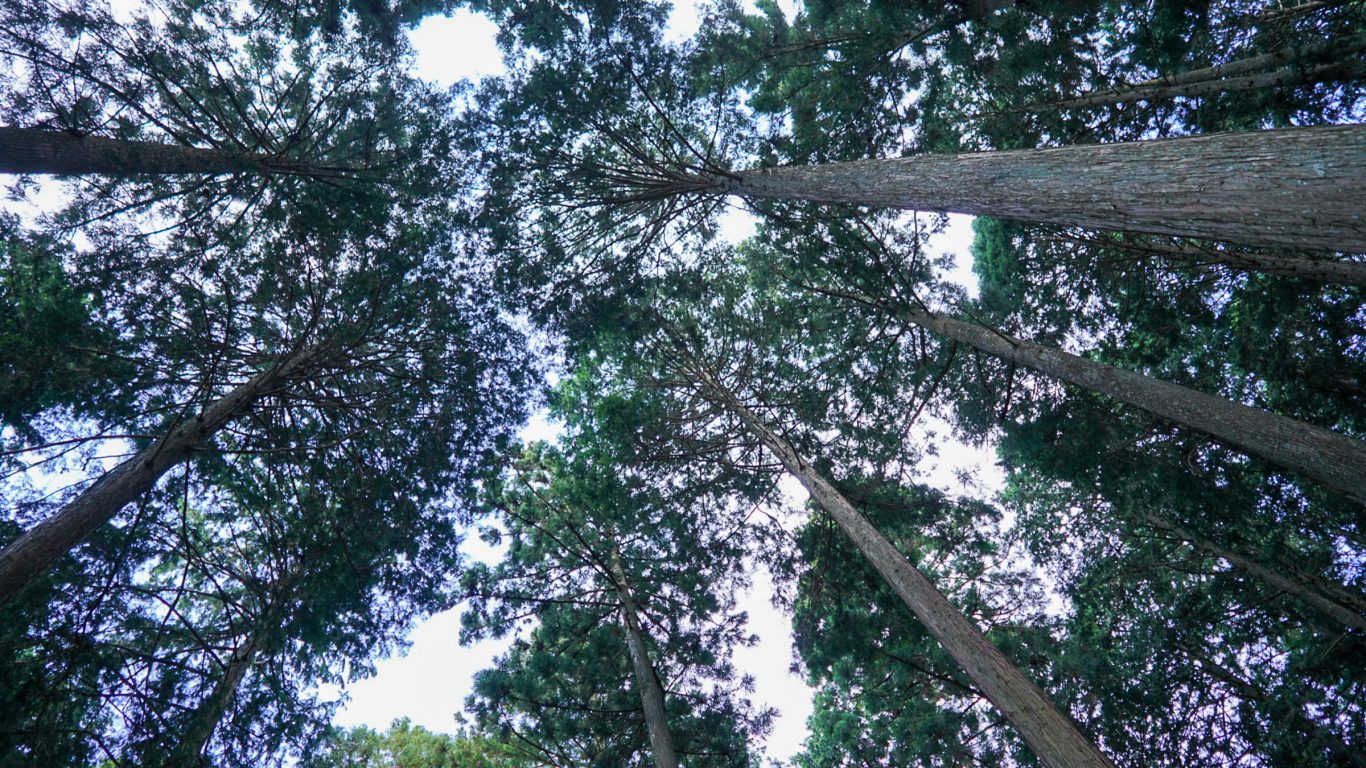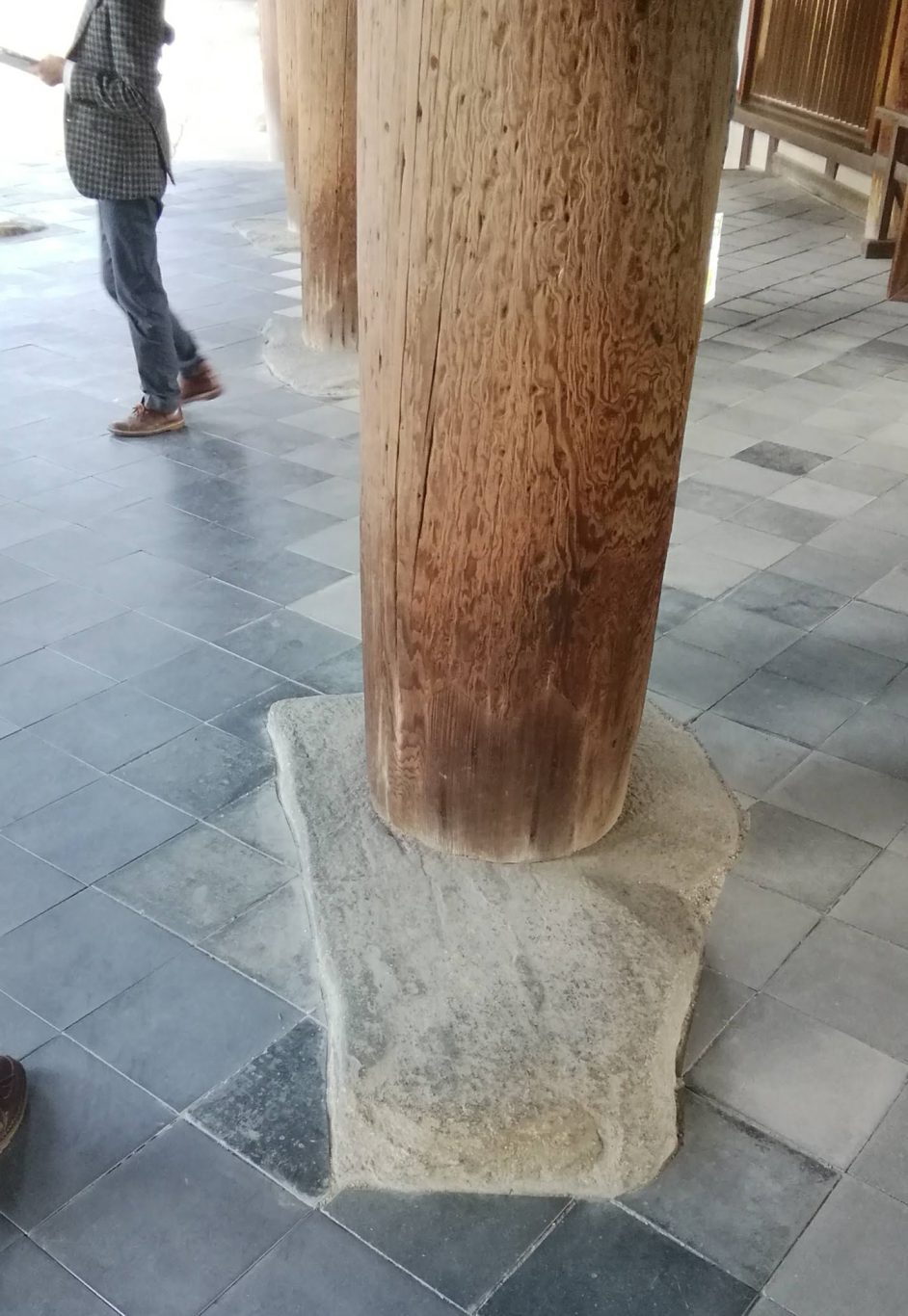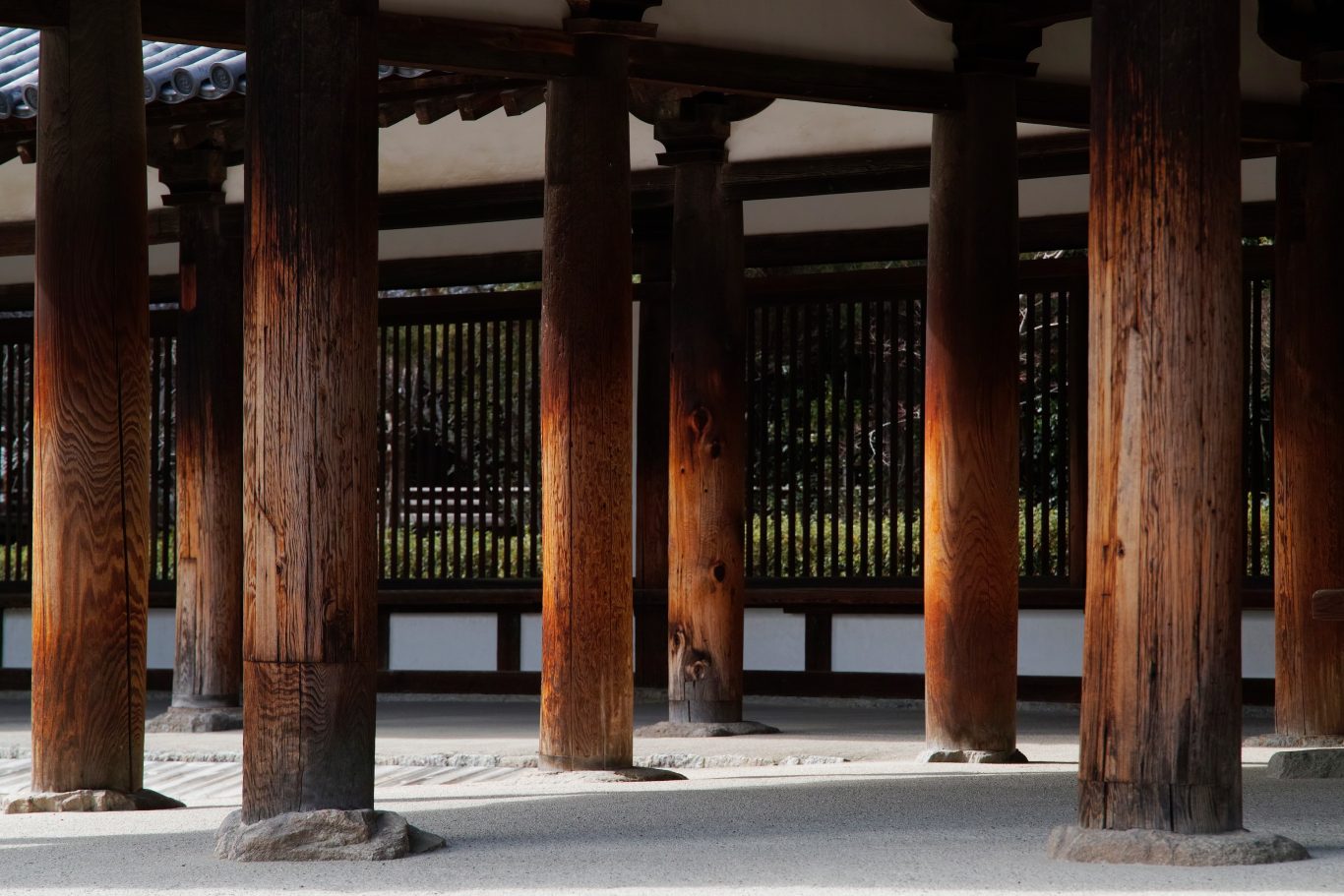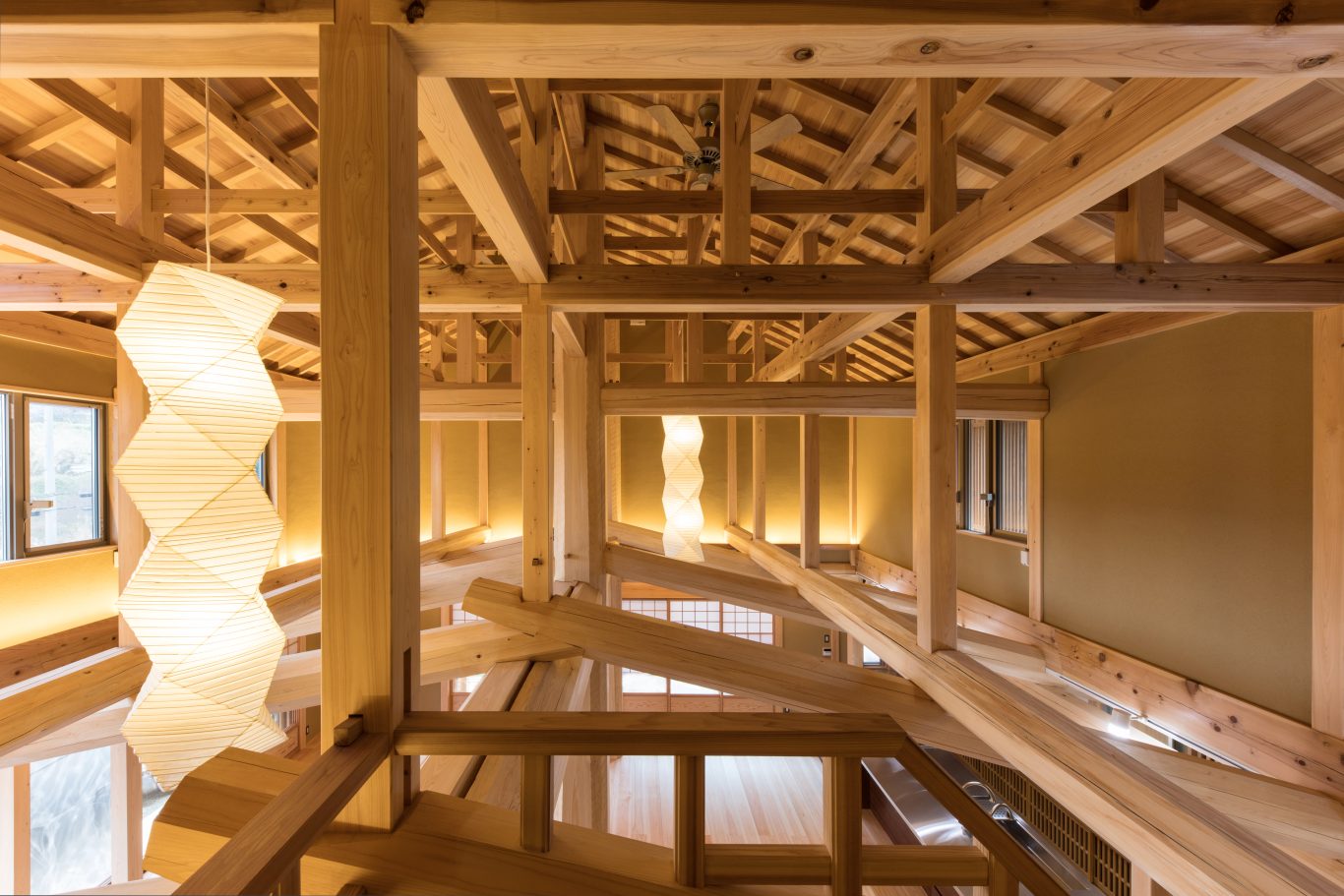
The Yoshino Forestry Region is one of Japan’s most significant forestry areas, spanning the Yoshino, Kitayama, and Totsu River basins in Nara Prefecture. Covering approximately 75% of the prefecture’s total forest area, it is renowned for producing premium cedar (sugi) and cypress (hinoki), particularly in upstream areas like Kawakami Village, Higashiyoshino Village, and Kurotaki Village. With roots tracing back to the Muromachi period, the Yoshino region has played a pivotal role in shaping Japanese forestry.
Geology and Soil: Optimal Conditions for Timber Growth
The Yoshino forestry area lies within the Chichibu Paleozoic and Mesozoic geological formations, featuring black graphite schist, sandstone, slate, and tuff. The soil is rich in water-retaining clay loam and humus, creating an ideal environment for the growth of cedar and cypress. This fertile combination supports the development of high-quality timber over extended growth periods.
Climate: Abundant Rainfall and Mild Temperatures
The Yoshino region benefits from favorable climatic conditions:
- Rainfall: Annual precipitation reaches approximately 2,000 mm in the Yoshino River basin and an impressive 5,400 mm in Mount Ōdaigahara.
- Temperature: With an average temperature of 14°C, the mild climate fosters consistent tree growth.
- Low Snowfall and Wind Impact: The region experiences minimal snow accumulation and limited exposure to strong winds, further enhancing its suitability for forestry.
These conditions contribute to the long harvest cycles characteristic of Yoshino forestry, allowing trees to mature over centuries.
Forest Composition and Resource Distribution by Basin
The Yoshino forestry area varies in forest composition and resource metrics across its three major basins:
| Basin | Forest Area | Artificial Forest Rate | Average Timber Volume |
|---|---|---|---|
| Yoshino River | 69,000 ha | 76.2% | 221 m³/ha |
| Kitayama River | 36,000 ha | 40.4% | 131 m³/ha |
| Totsu River | 100,000 ha | 51.9% | 148 m³/ha |
- Yoshino River Basin: The most developed area, with an artificial forest rate of 76.2% and an average timber volume per hectare that exceeds the national average by threefold.
- Kitayama and Totsu River Basins: While less developed in terms of artificial forests, these areas contribute significantly to the overall forested area of the region.
The Historical Role of Kawakami Village
At the heart of Yoshino forestry lies Kawakami Village, a central hub with over 500 years of history.
- Origins: Artificial afforestation began during the Bunki era (1501–1503).
- Geographical Advantage: Surrounded by Mount Ōdaigahara to the east and the Ōmine mountain range to the west, Kawakami offers an ideal setting for cultivating premium cedar and cypress.
- Forestry Pioneer: Kawakami was home to Dozōra Shōzaburō, known as the “Father of Japanese Forestry,” who modernized the industry and expanded its reach.
Preservation Efforts: The “Water Source Forest”
From 1999 to 2002, Kawakami Village undertook a groundbreaking initiative to purchase and preserve 740 hectares of old-growth forest, known as the “Water Source Forest.”
- Purpose: To protect the headwaters of the Yoshino and Kinokawa rivers, ensuring the supply of clean water to downstream areas.
- Strict Protection: Entry to these forests is restricted by local ordinances, safeguarding them as some of the few remaining old-growth forests in Japan.
- Philosophy: The initiative reflects the “Kawakami Declaration,” emphasizing the community’s responsibility to maintain environmental sustainability.
This effort underscores the village’s dedication to conserving its natural heritage and promoting sustainable forestry.
Conclusion
The Yoshino Forestry Region is a testament to the harmonious interplay of natural abundance and human ingenuity. With its rich geological and climatic conditions, long-standing history, and pioneering conservation efforts, the region exemplifies the potential of sustainable forestry.
By balancing premium timber production with environmental stewardship, Yoshino forestry serves as a model for future forestry practices worldwide. Its legacy reflects a commitment to coexistence with nature and the responsibility of preserving this heritage for future generations.