
Learning from Master Architects of Traditional Wooden Structures
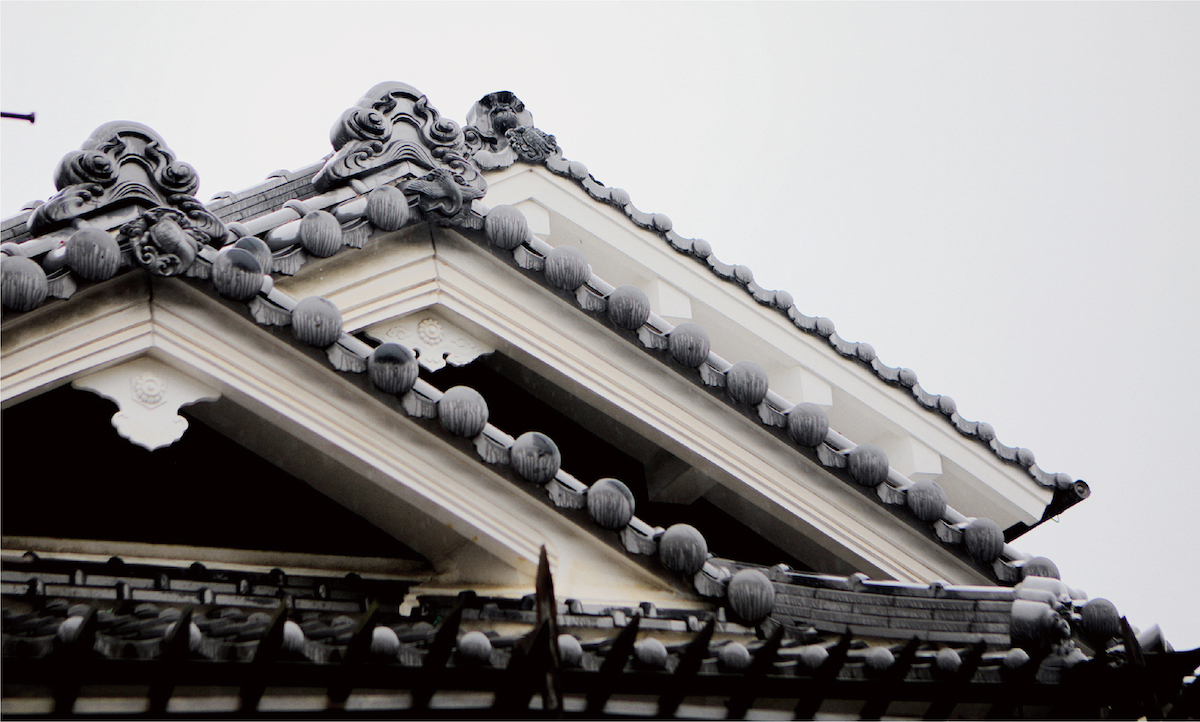
Explore the timeless artistry of Japanese wooden architecture in this immersive program. Learn the secrets behind structures like the 1,300-year-old Horyu-ji Temple, from traditional joinery techniques to sustainable materials. Discover the philosophy and craftsmanship that make wooden buildings endure for centuries. Hosted in a restored 115-year-old house in Nara, this intimate Japanese timber construction course offers hands-on experiences with traditional Japanese architecture methods
| Who This Program is For This unique workshop is designed for individuals who: ・Have a passion for traditional Japanese wooden architecture and historic homes. ・Own a home built over a century ago and are concerned about its earthquake resistance. ・Wish to explore the values, techniques, and philosophies of Japanese craftsmanship. ・Want to gain a long-term perspective, thinking on the scale of hundreds of years. |
Uncover the Mystery: Why Some Wooden Buildings Last Over 1,000 Years
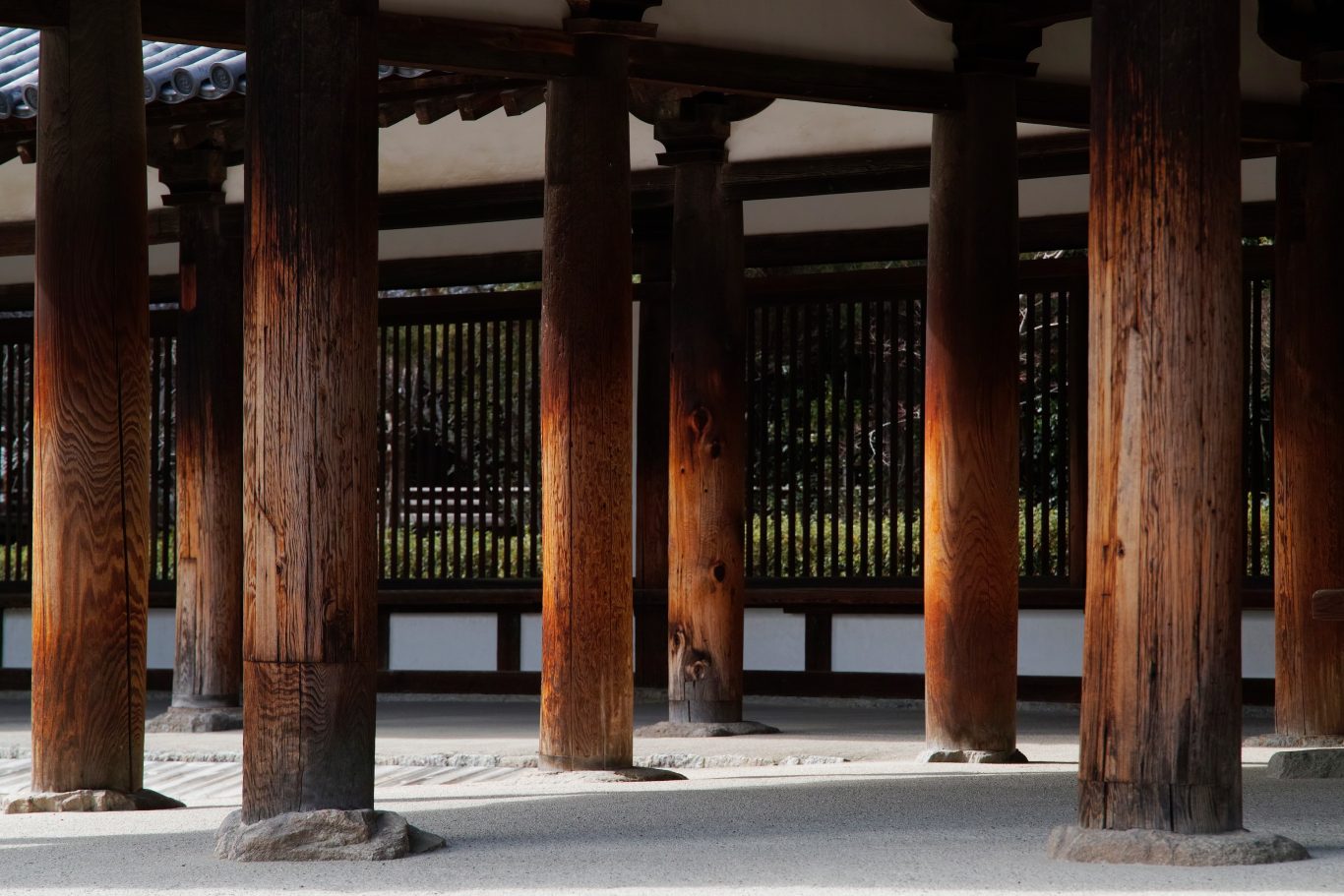
Did you know that Horyu-ji Temple, the world’s oldest wooden structure, has endured for over 1,300 years?
Meanwhile, post-war wooden houses in urban Japan, built just 50–60 years ago, are often deemed unsafe and demolished.
Why does one type of wooden architecture last over a millennium, while another barely survives a few decades? The answer lies in materials, craftsmanship, and philosophy—and this program dives deep into these fascinating differences.
What You Will Learn
Our program introduces you to the values and techniques behind Japanese wooden architecture that have stood the test of centuries. You will explore:
1. Traditional vs. Modern Techniques
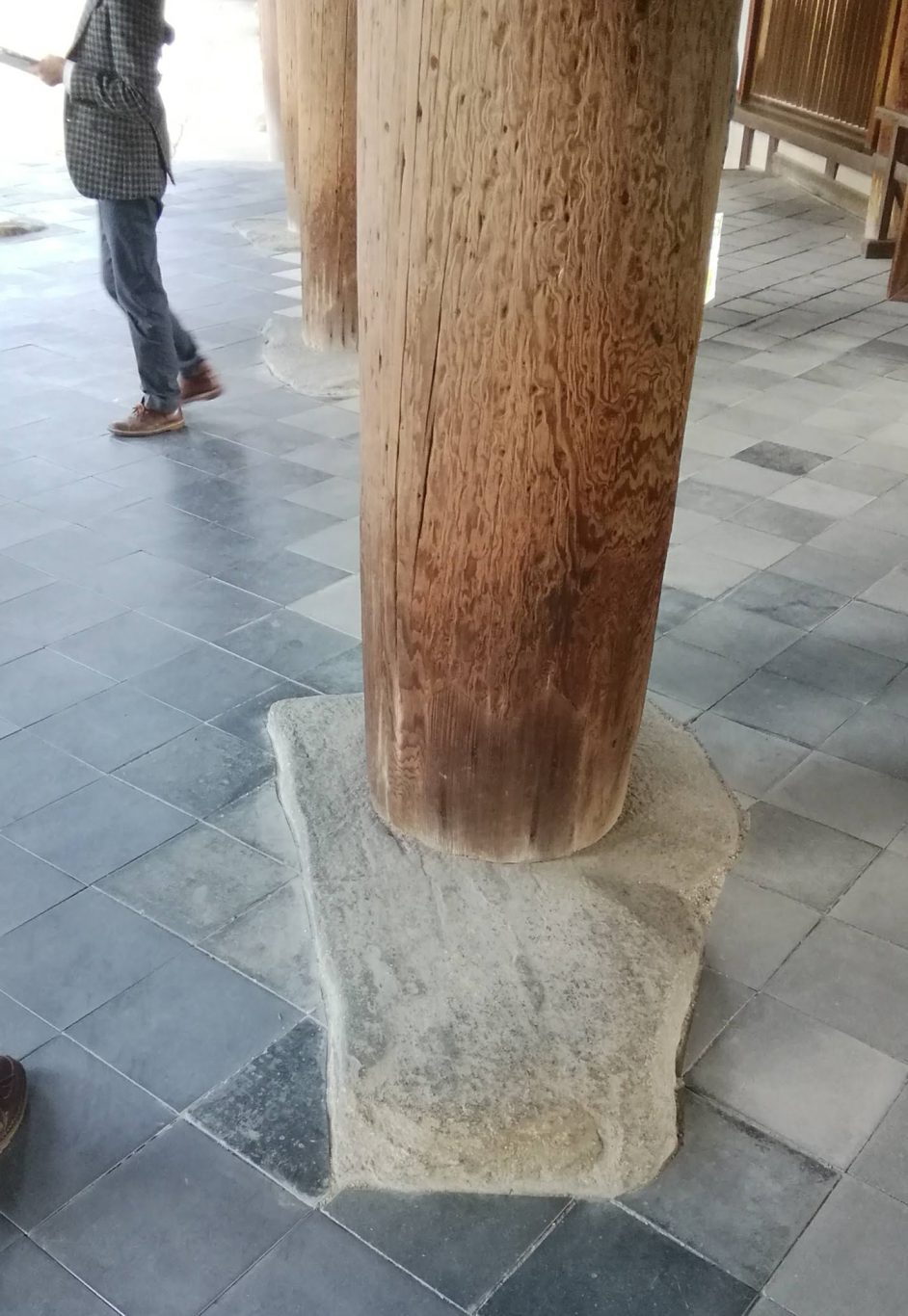
- Differences between Ishibadate Traditional Construction (used in 1,300-year-old structures like Horyu-ji) and modern post-war Zairai Construction.
2. The Secret of Materials
- How the wood from 100-year-old houses differs from commercially available materials today.
3. Masterful Craftsmanship
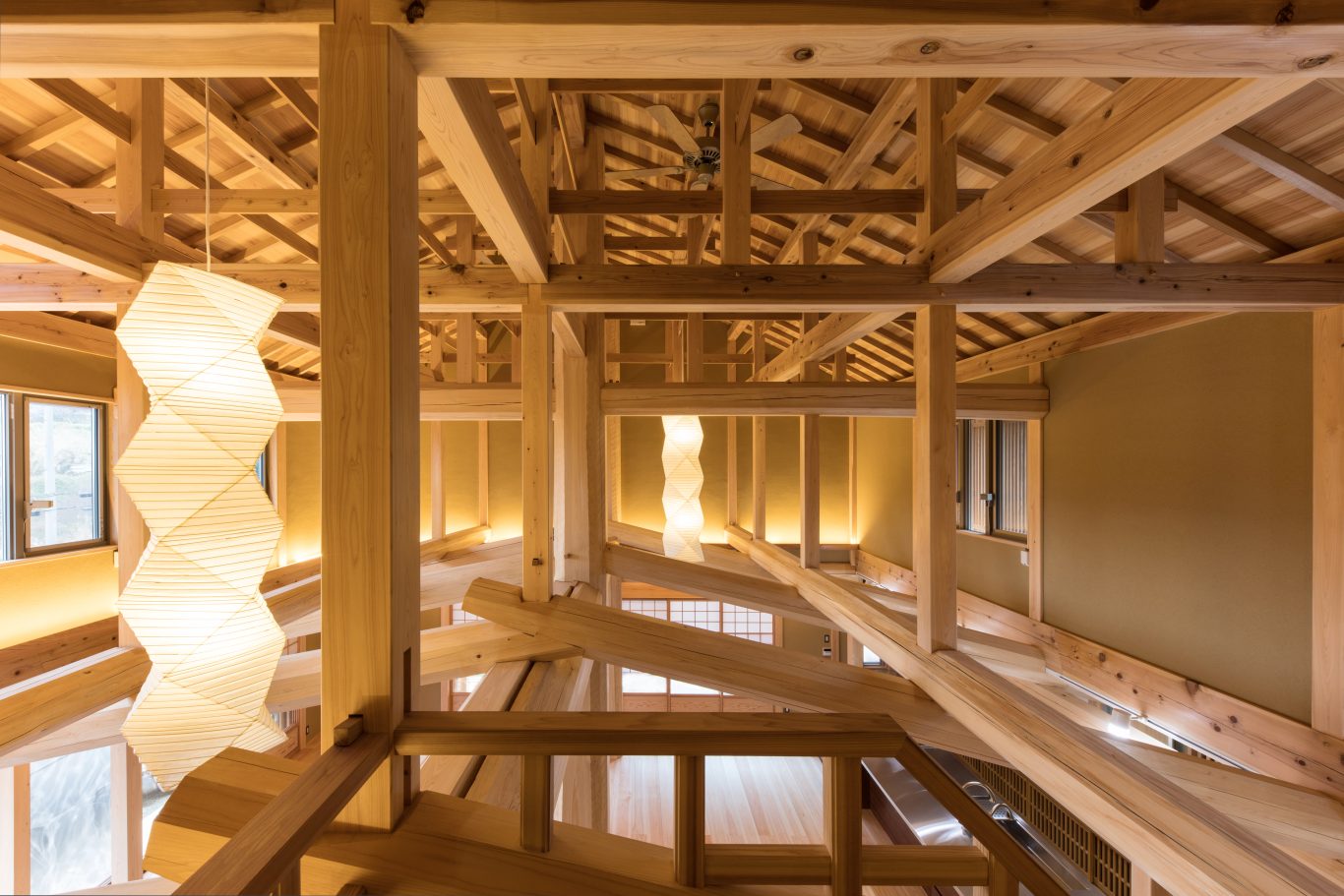
- Learn about joinery that uses no nails, and walls made from bamboo, clay, and straw that endure for centuries.
4. The Philosophy of Longevity
- Develop a mindset to appreciate and create value that transcends centuries.
Program Details
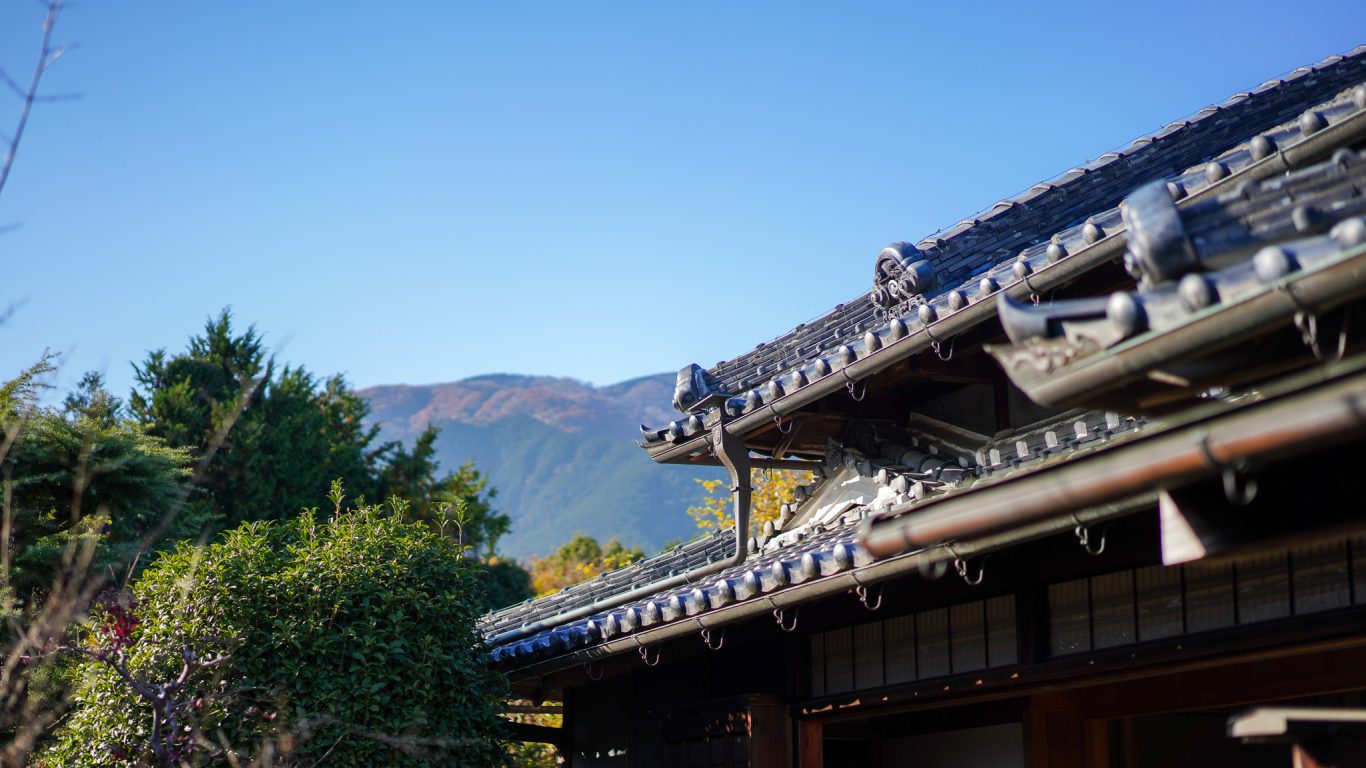
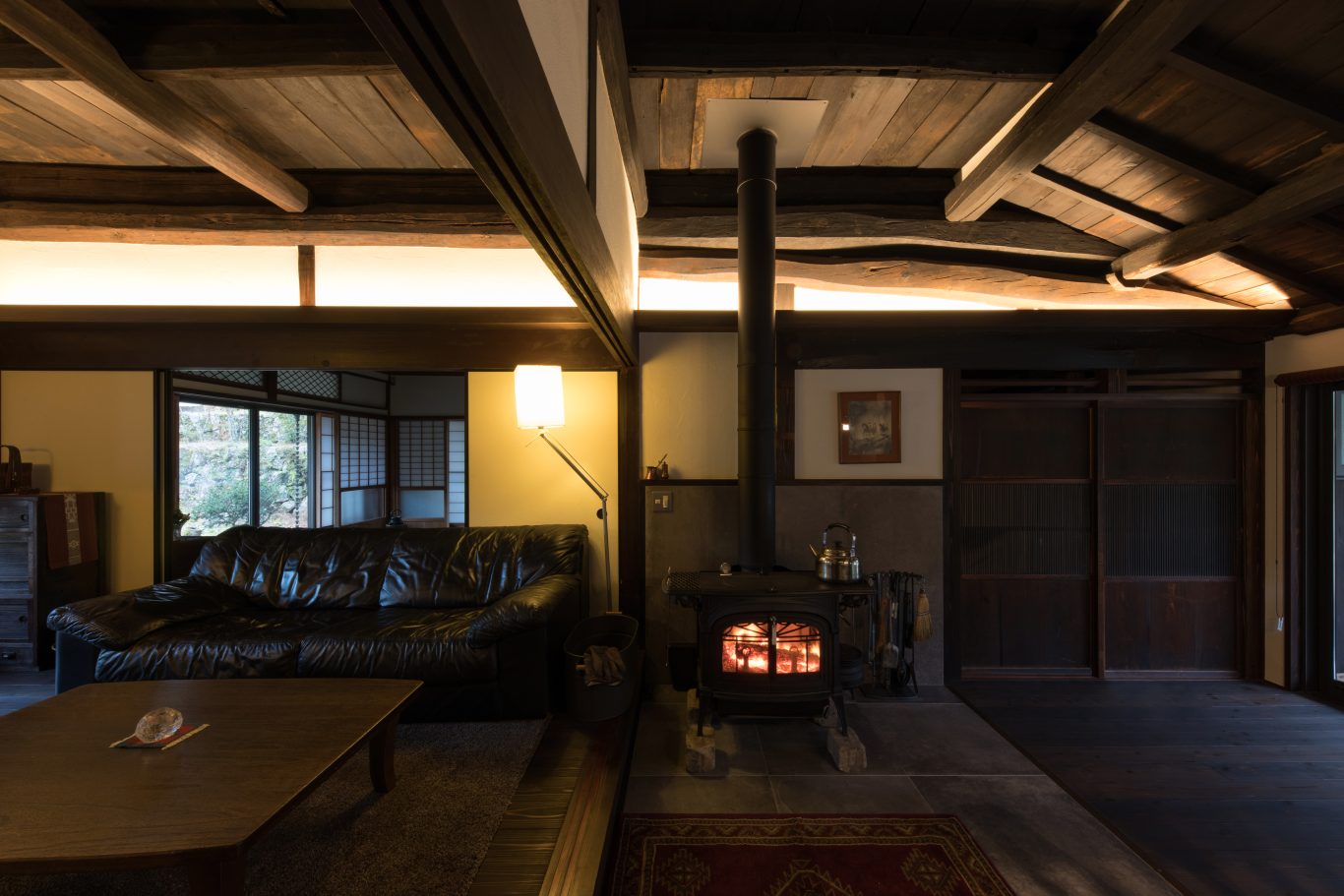
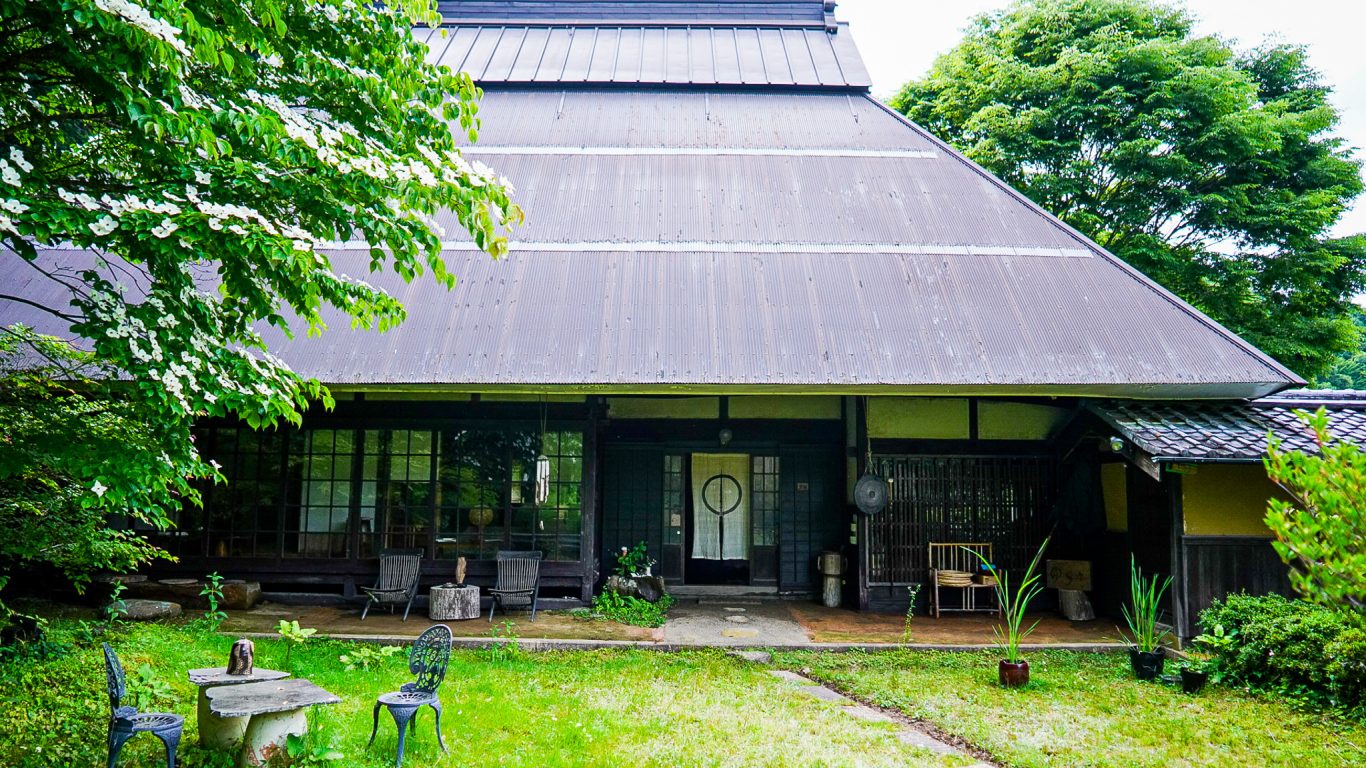
This program takes place in a beautifully restored 115-year-old traditional house in Nara Prefecture, Japan. With a maximum of 5 participants, you’ll enjoy an intimate, hands-on learning experience that ensures a deep understanding.
The program consists of four sections:
Section 1: Japan’s Wooden Architecture on the Global Stage
Discover why Japan is home to the world’s oldest wooden buildings, including a surprising fact: most of the world’s top 10 oldest wooden structures are in Japan.
Explore the connection between Japan’s natural environment and the intricate design of its wooden architecture.
Reflect on the role of architecture in creating a sense of happiness and belonging.
Section 2: The Story of Wood
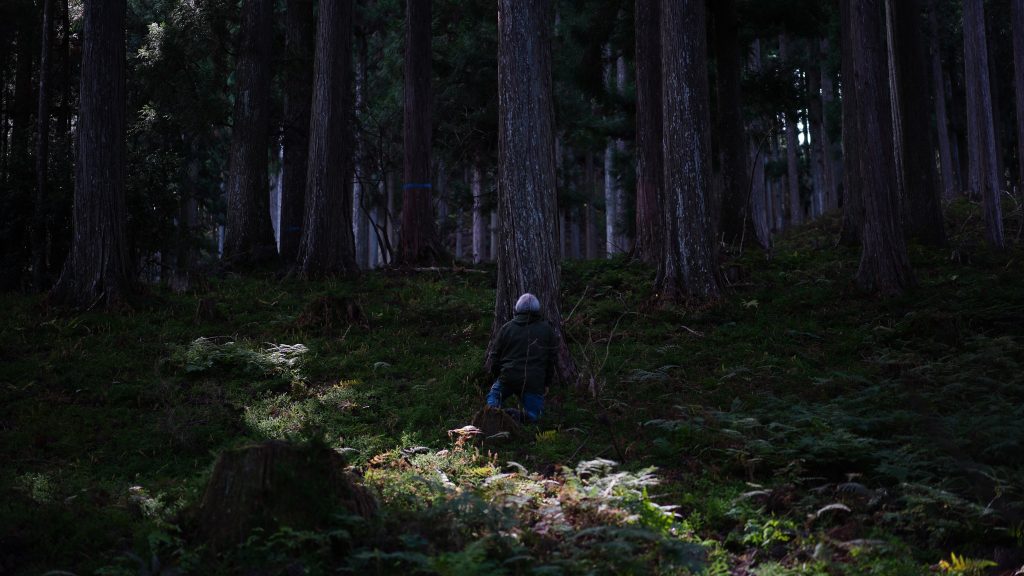
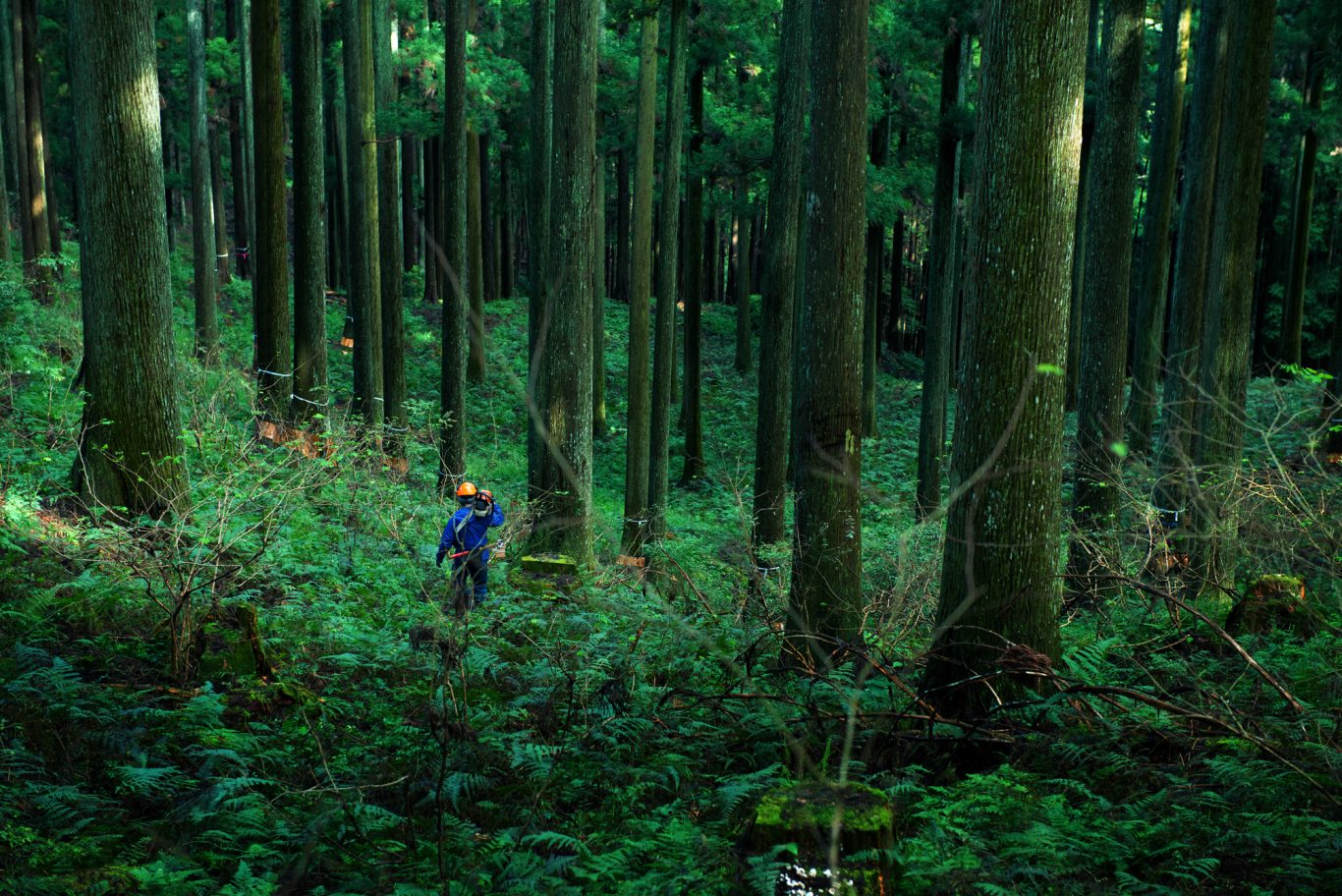
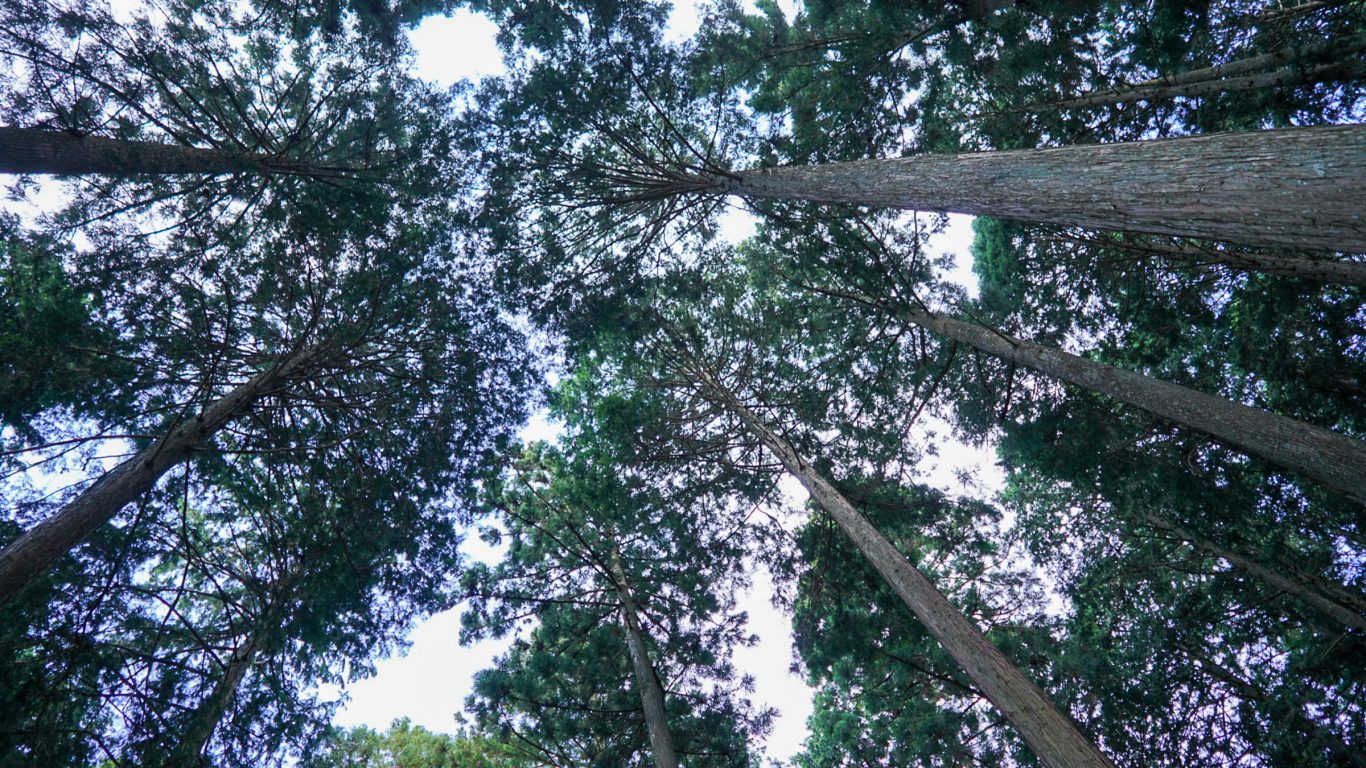
- Understand the journey of Japanese cedar (sugi) and cypress (hinoki) from seedling to construction material—a process that takes decades or centuries.
- Learn why sustainably sourced, naturally dried wood ensures strength, durability, and timeless beauty.
Section 3: Experiencing Craftsmanship
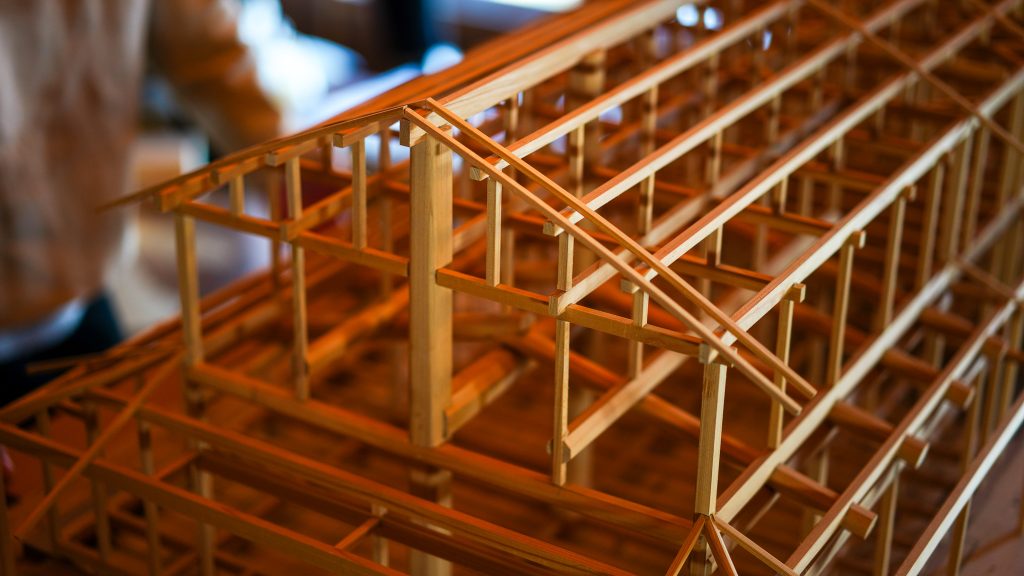
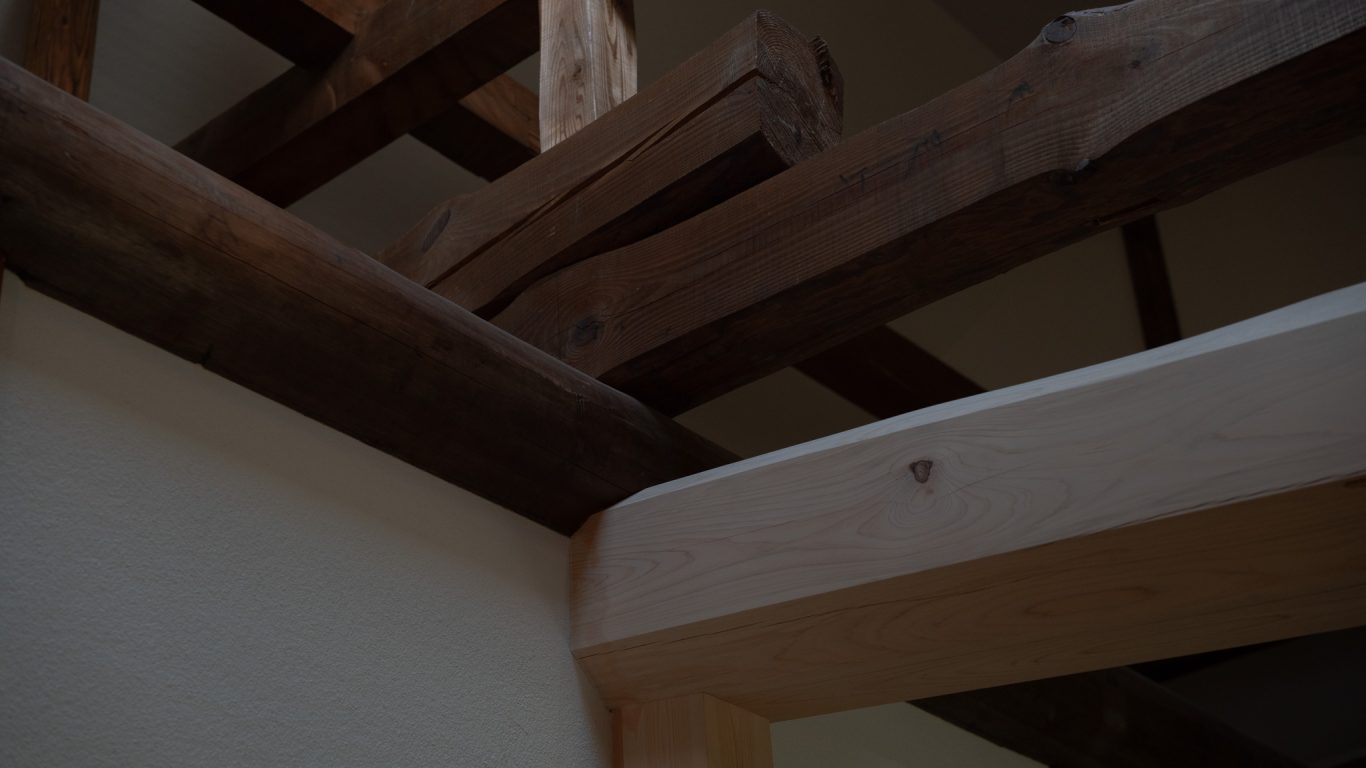
- Engage with traditional joinery techniques, assembling and disassembling models to feel the precision of ancient methods.
- Explore the bamboo and clay wall construction process, still used in traditional techniques today.
Section 4: Designing for Eternity
- Discover how traditional methods merge with modern innovations to ensure safety and comfort without compromising beauty.
- Learn the art of creating designs that are simple, functional, and timeless, appealing to generations to come.
Lecturer Profile
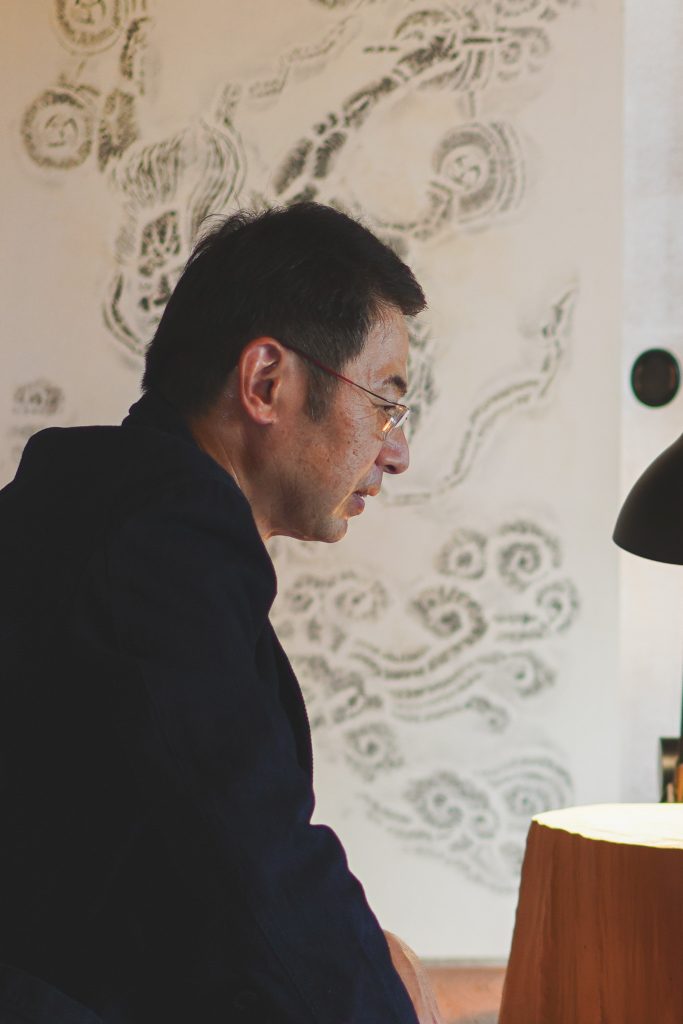
Mokuzo-architect Cochi / Hitoshi Sato
Mokuzou-architect Cochi is a architectural studio in Yoshino. They design houses with a life-span of more than 300 years using the same traditional Japanese construction method as the world’s oldest wooden structure, Horyuji-Temple. They do not buy the timber for their construction-projects from timber-markets, instead going to the mountains to buy directly from their trusted mountain foresters. With the slogan ” Creating Landscapes of Beauty to Grace the World for Three Centuries “, they build beautiful and resilient houses using the natural materials, best techniques, and authentic designs.
His projects include:
- Restoring traditional homes to preserve historical streetscapes.
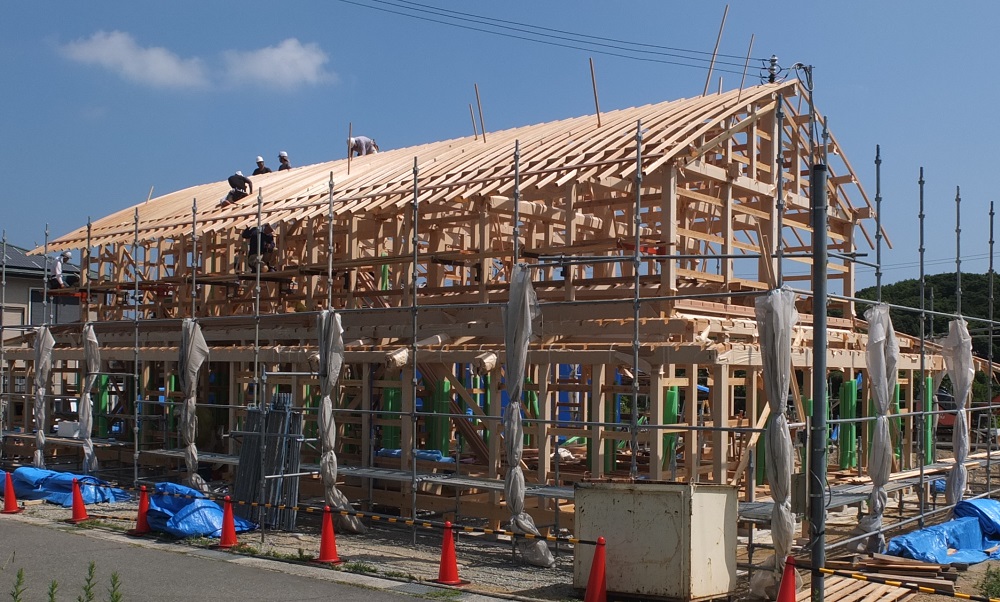
- Designing new homes using Ishibadate Traditional Construction.
- Operating a restored traditional inn for visitors to experience authentic Japanese living.
Join Us and Learn the Value of Timeless Architecture
This program is a must for:
- Architects who want to work on valuable architecture that is made with a commitment to using authentic materials and craftsmanship
- Business leaders seeking to adopt a long-term perspective in their decision-making.
- Architecture enthusiasts eager to discover authentic Japanese craftsmanship.
- Individuals planning to build or renovate their homes.
Reserve your spot today and embark on a journey to uncover the secrets of Japan’s timeless wooden architecture.
Program Overview
| Program format | Private | |
| Duration | 4-5 hours | Customization available upon request |
| Location | Gose City, Nara Prefecture | Complimentary pick-up available from Kintetsu Kashihara-jingu-mae Station |
| Group Size | Minimum 1 people, Maximum 5 people | If you have more than 6 people, please contact us. |
| Languages supported | Japanese, English (with an interpreter present) |
Travel inquiry / Ask a question
If you would like us to carry out the work, please contact us with your request for a date and we will provide you with a quote.