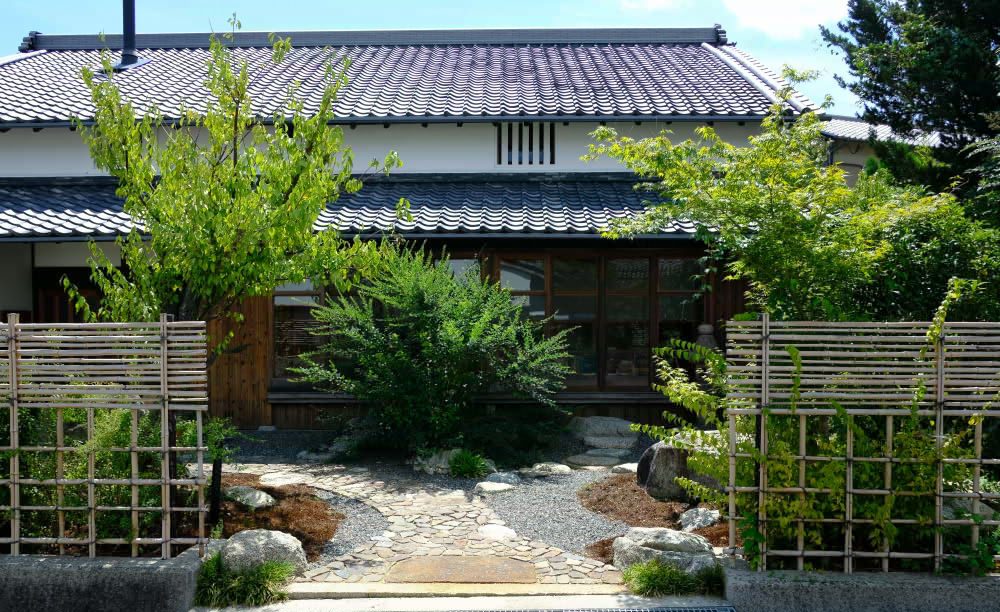
The next wave in the architectural industry lies in the question: “How much local essence can we integrate?” The future of architecture will demand designs that transcend functionality and efficiency, reflecting the unique culture and landscape of the regions they inhabit.
The Value of Local Identity Through a Traveler’s Lens
Imagine visiting Italy. The first images that come to mind are likely quintessentially Italian experiences—pizza, pasta, Renaissance architecture, and cobblestone streets. These are elements that can only be found in Italy, and they are what draw travelers in.
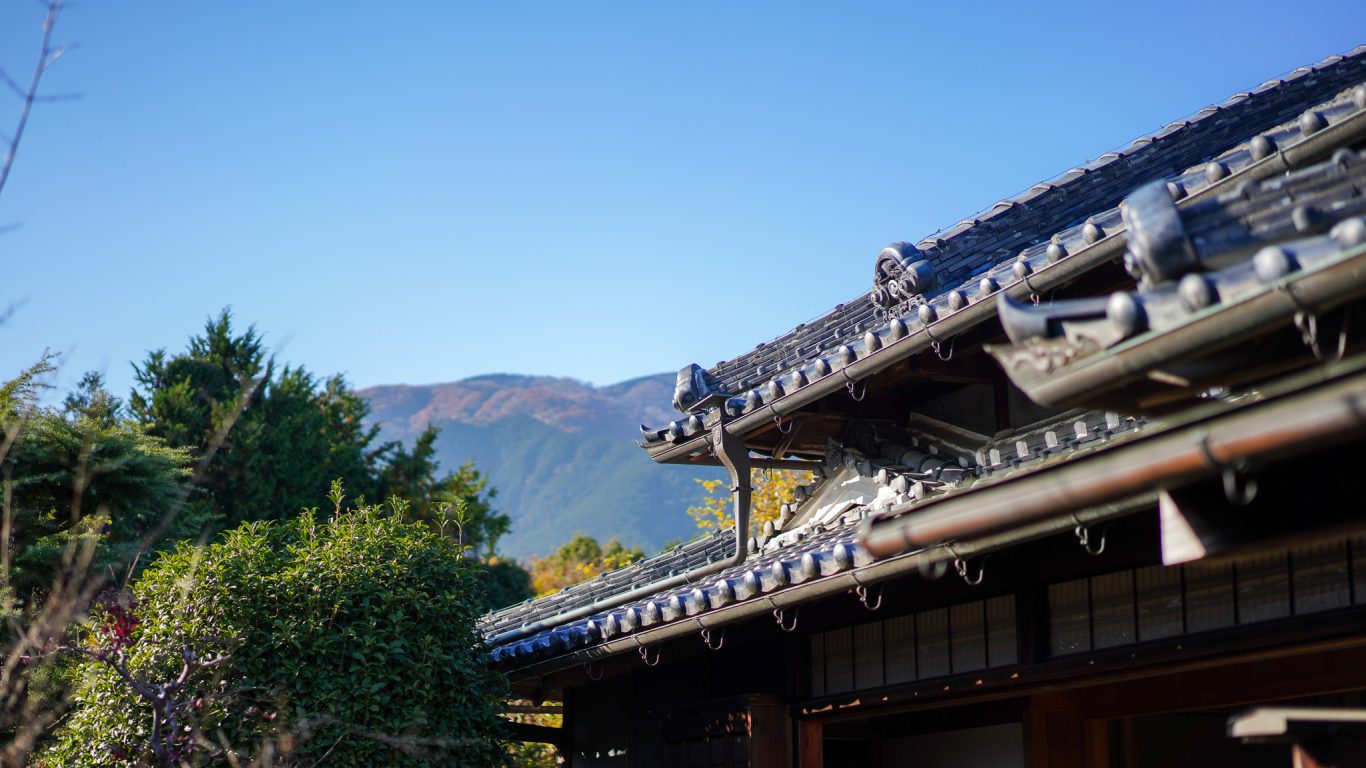
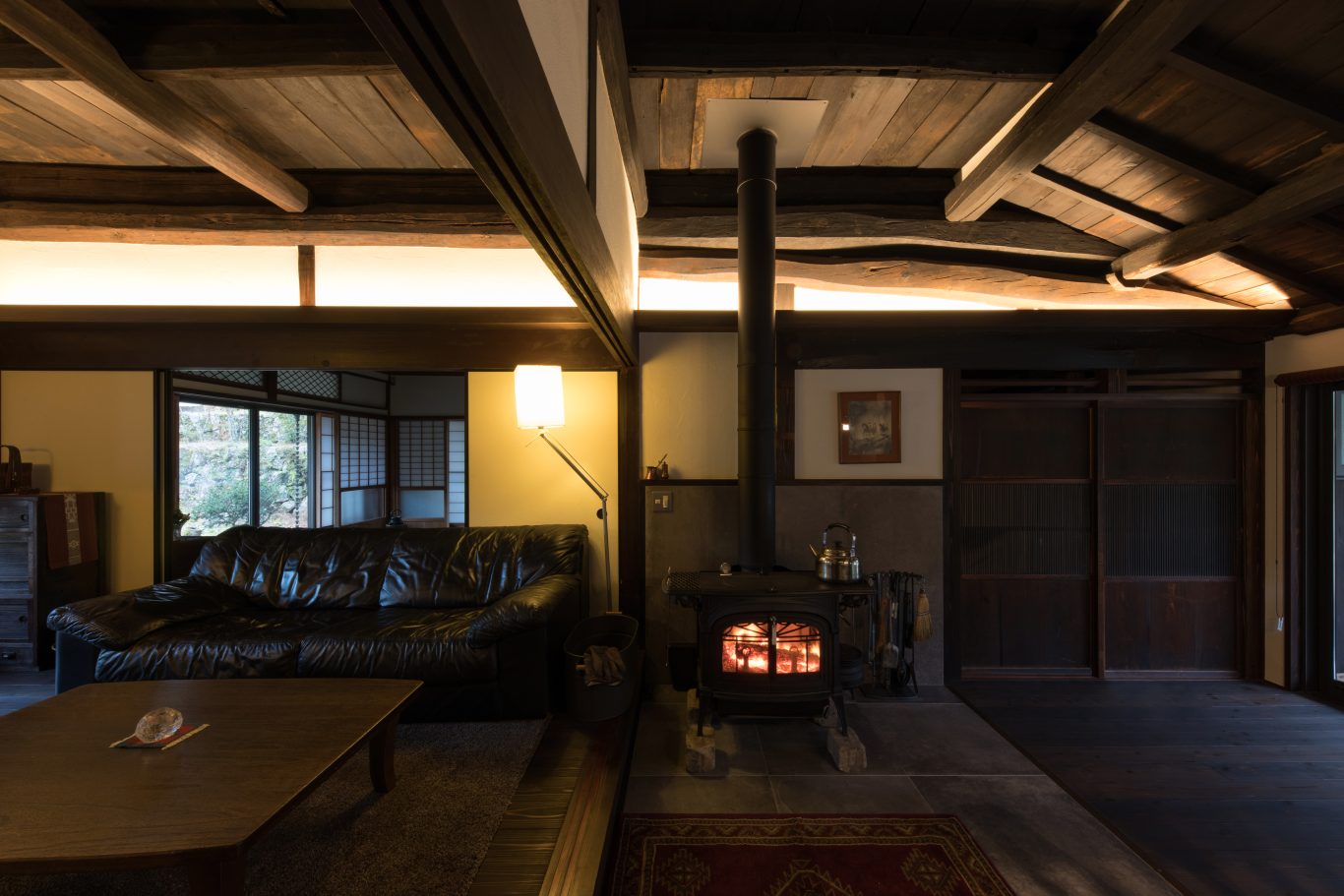
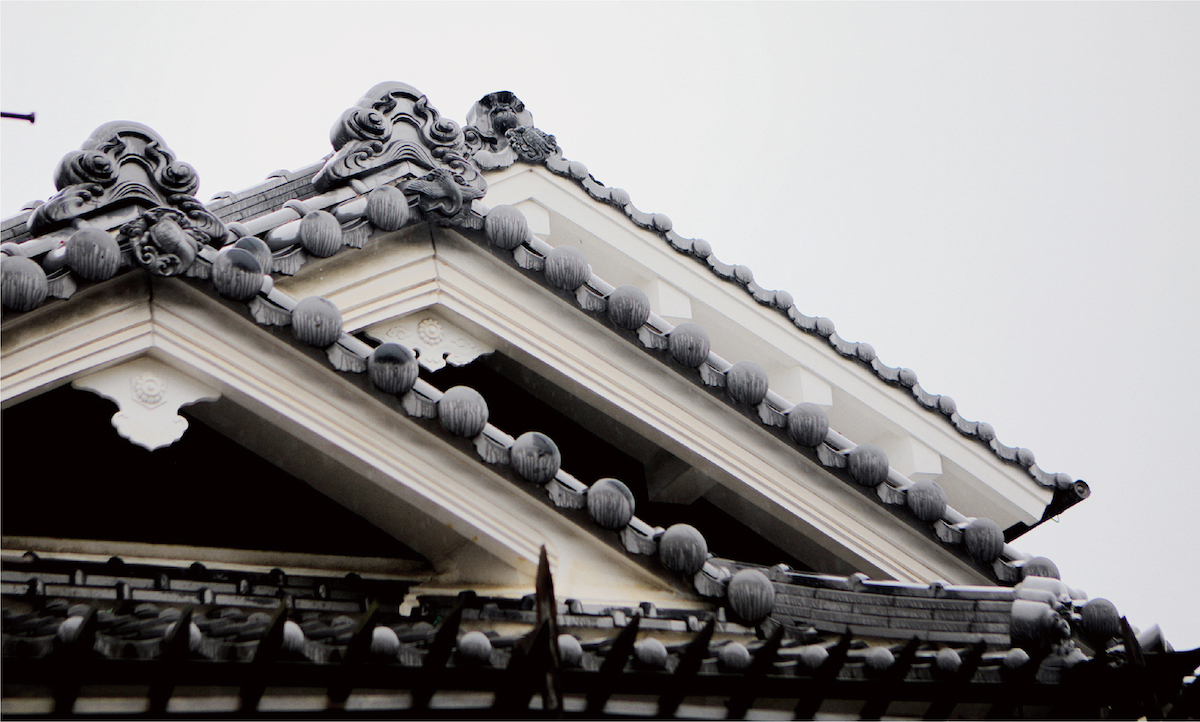
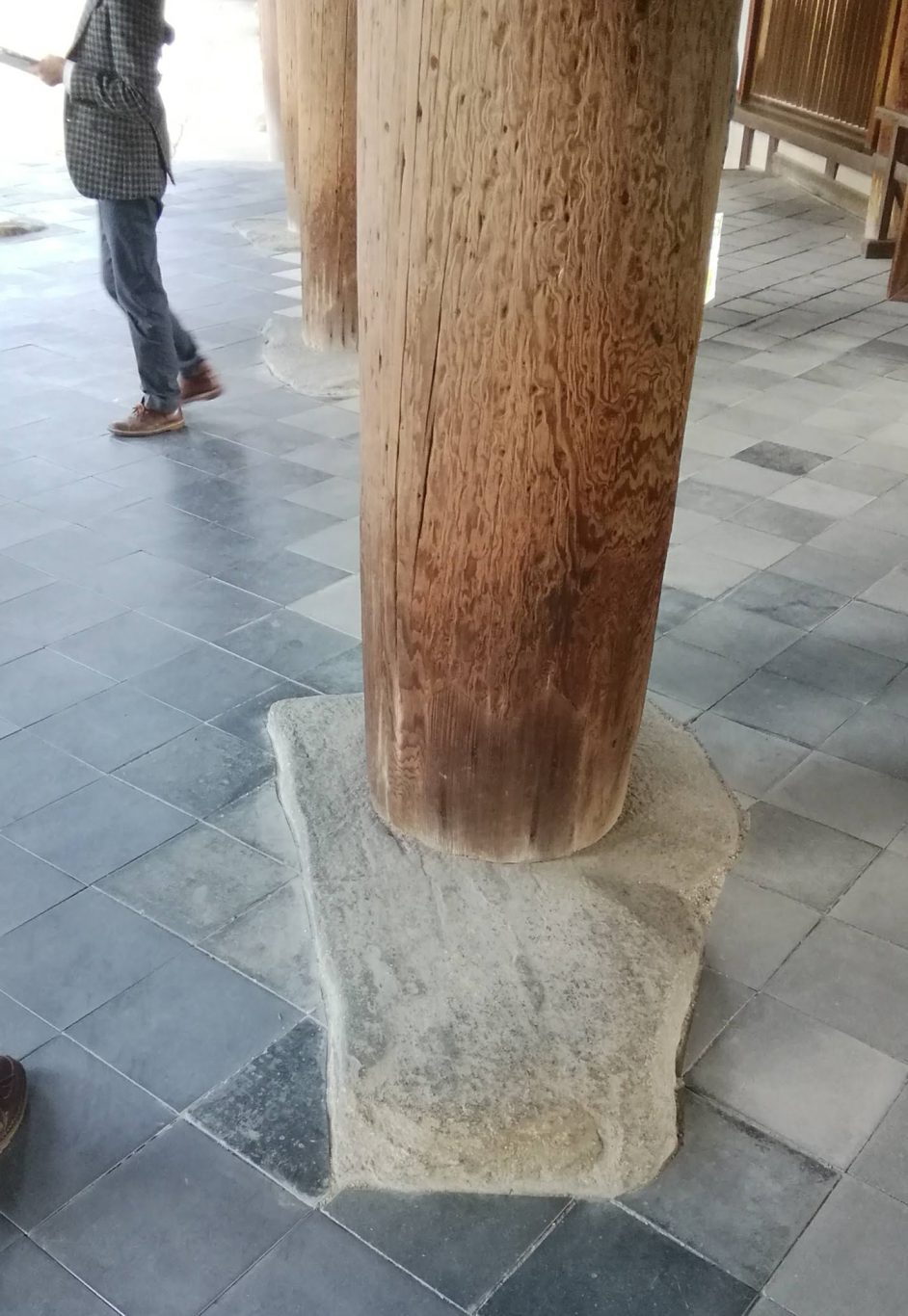
Similarly, tourists visiting Japan are captivated by its distinct culture and landscapes. Japan’s globally recognized attractions include its safe and clean streets, traditional wooden architecture, exquisite cuisine, and iconic cultural exports like anime.
The same appreciation for local uniqueness that drives tourism also applies to creating homes and communities. Architecture that embodies the essence of its region offers a deeper connection for those who live in or visit these spaces.
The Problem with Generic Architecture
Post-war Japan witnessed a surge of standardized, efficiency-focused residential developments. This pursuit of uniformity and cost-effectiveness led to the rise of monotonous neighborhoods devoid of local character. These cookie-cutter communities fail to resonate with both travelers and residents, lacking the charm and uniqueness that make a place memorable.
The Harmony of Local Design
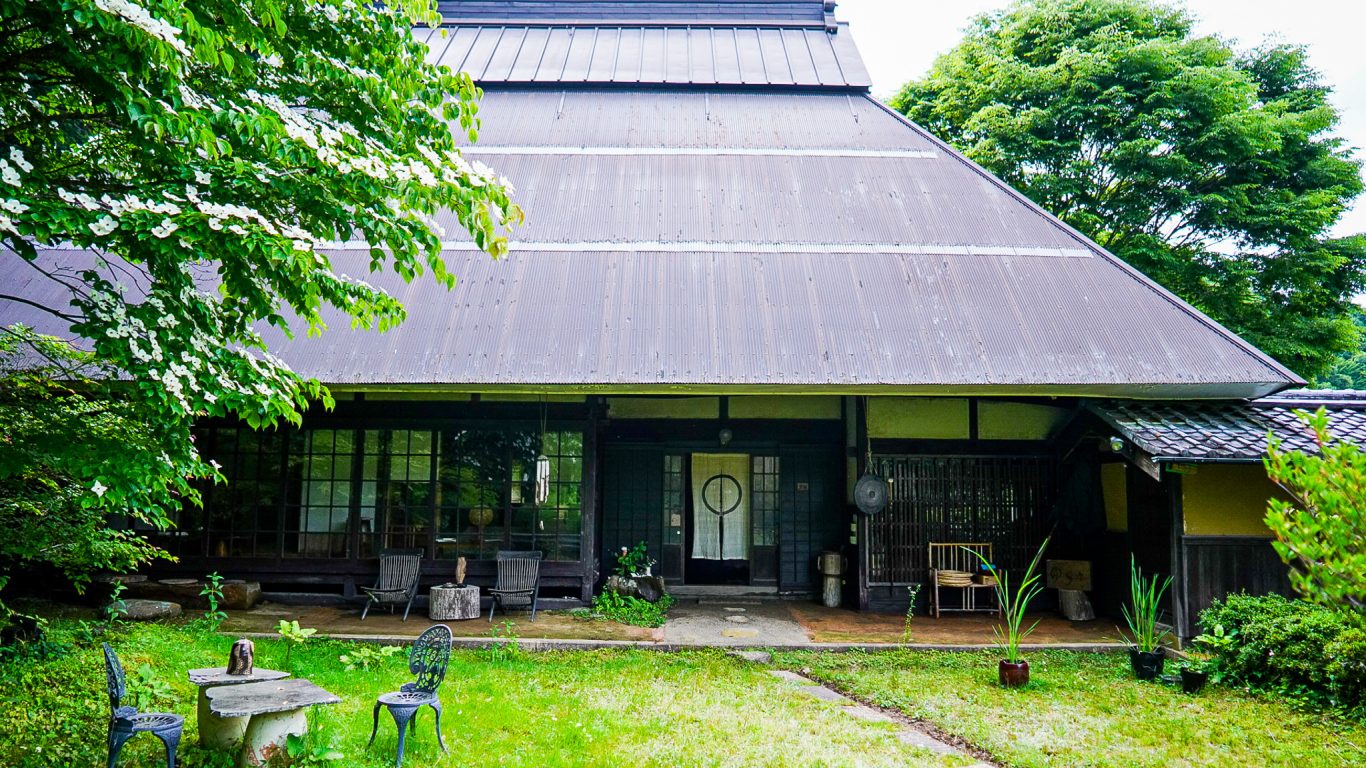
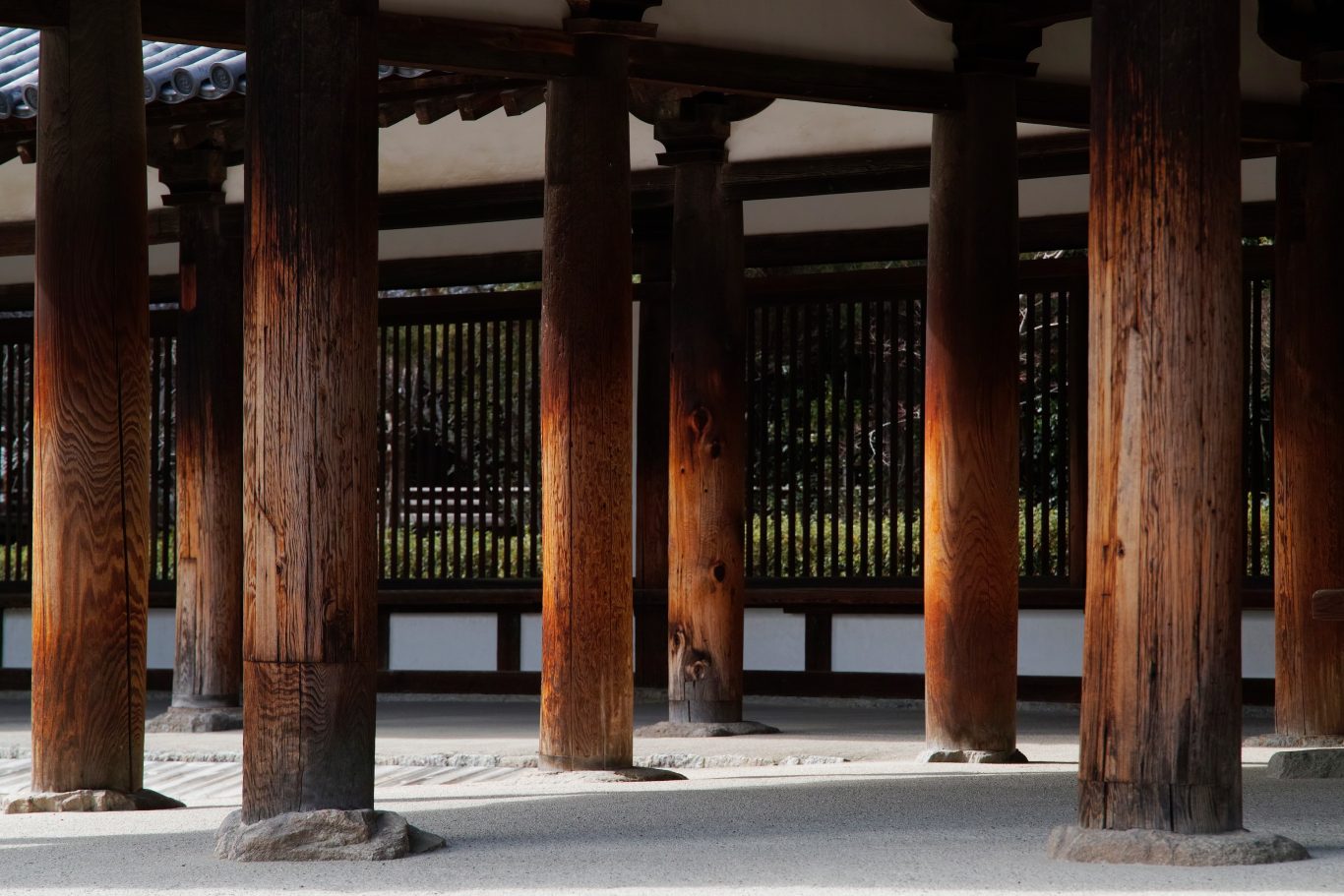
In contrast, traditional Japanese architecture showcases how regional design and materials can harmonize with the environment.
- Snowy Regions: Steeply pitched roofs to handle heavy snowfall.
- Typhoon-Prone Areas: Sturdy structures designed to withstand high winds.
- Humid Climates: Well-ventilated layouts to combat moisture.
These designs not only enhance the aesthetic value of individual buildings but also contribute to a cohesive streetscape. The interplay of regional elements in architecture fosters a sense of unity and belonging within the community.
Architecture as a Social and Public Asset
One lesson I learned in university about architecture versus art is that architecture is inherently social.
Once completed, a building becomes part of its surroundings, gaining a public dimension. The design of a single building influences the perception and experience of an entire neighborhood.
Future architectural projects must prioritize not only individuality but also harmony with the surrounding environment. By acknowledging and respecting local landscapes, architects can help create unified and visually appealing communities.
The Role of Architecture in the Future
Architecture will increasingly serve as a medium to express regional culture and identity, far beyond its traditional role as a functional space for living or working. For Japan’s storied townscapes to endure as sources of pride and tourist attraction, architects and developers must prioritize designs that reflect local characteristics and uphold public interest.
A New Mission for Architecture
The future demands a shift in architectural thinking:
- Embrace Local Identity: Incorporate region-specific materials, designs, and cultural elements into construction.
- Foster Community Unity: Design buildings that enhance the overall appeal of the area and contribute to a cohesive streetscape.
- Balance Individuality with Public Good: Recognize that architecture shapes the collective experience of a community.
By adopting a mindset that sees buildings as contributors to the broader landscape, architects and developers can craft spaces that elevate the beauty, value, and cultural significance of entire regions.
Now is the time for the architectural industry to take up the mantle of creating neighborhoods and landscapes that celebrate local identity and enrich the lives of those who inhabit them.
Hitoshi Sato(Architect / CEO of Mokuzo-architect COCHI)
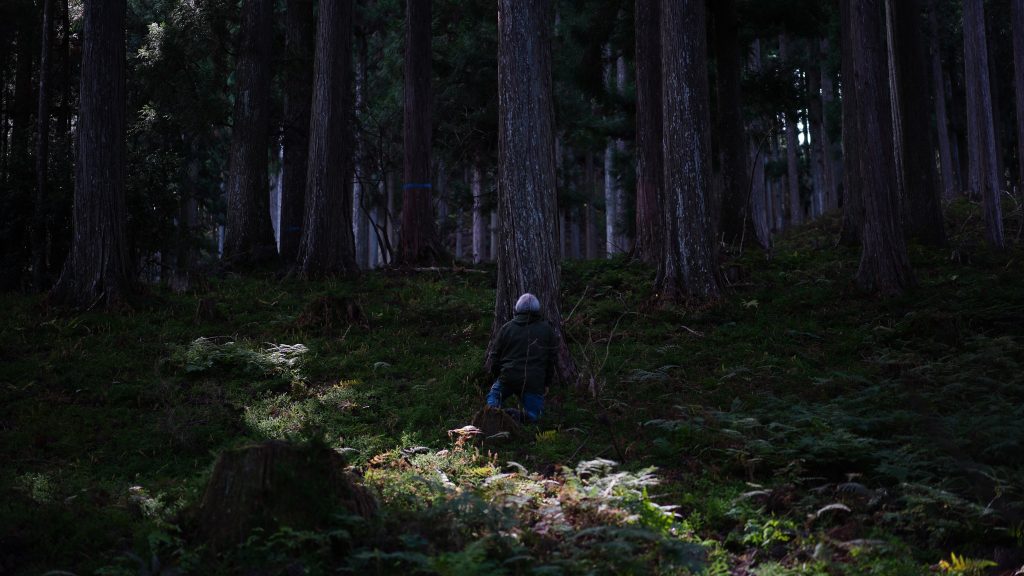
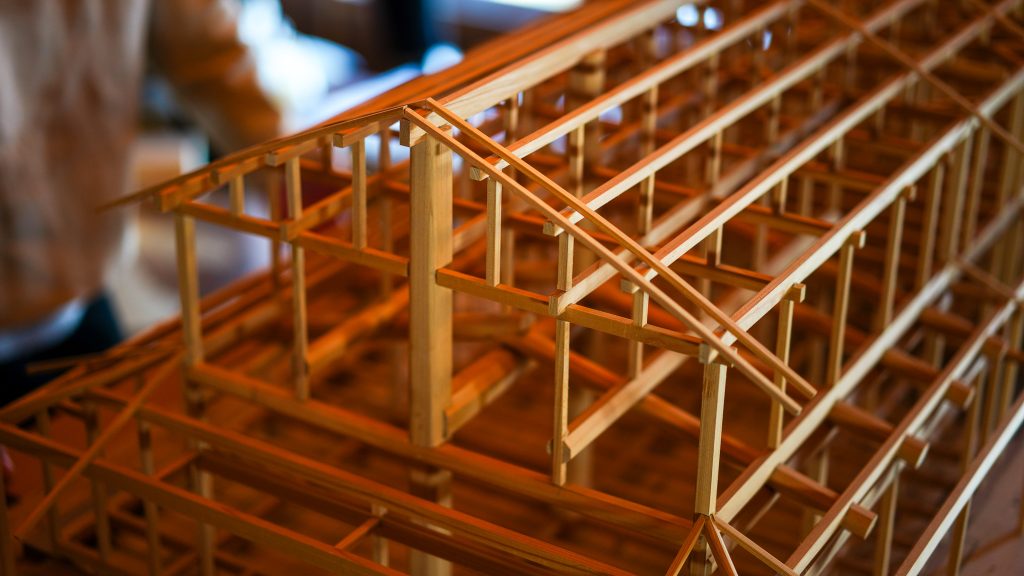
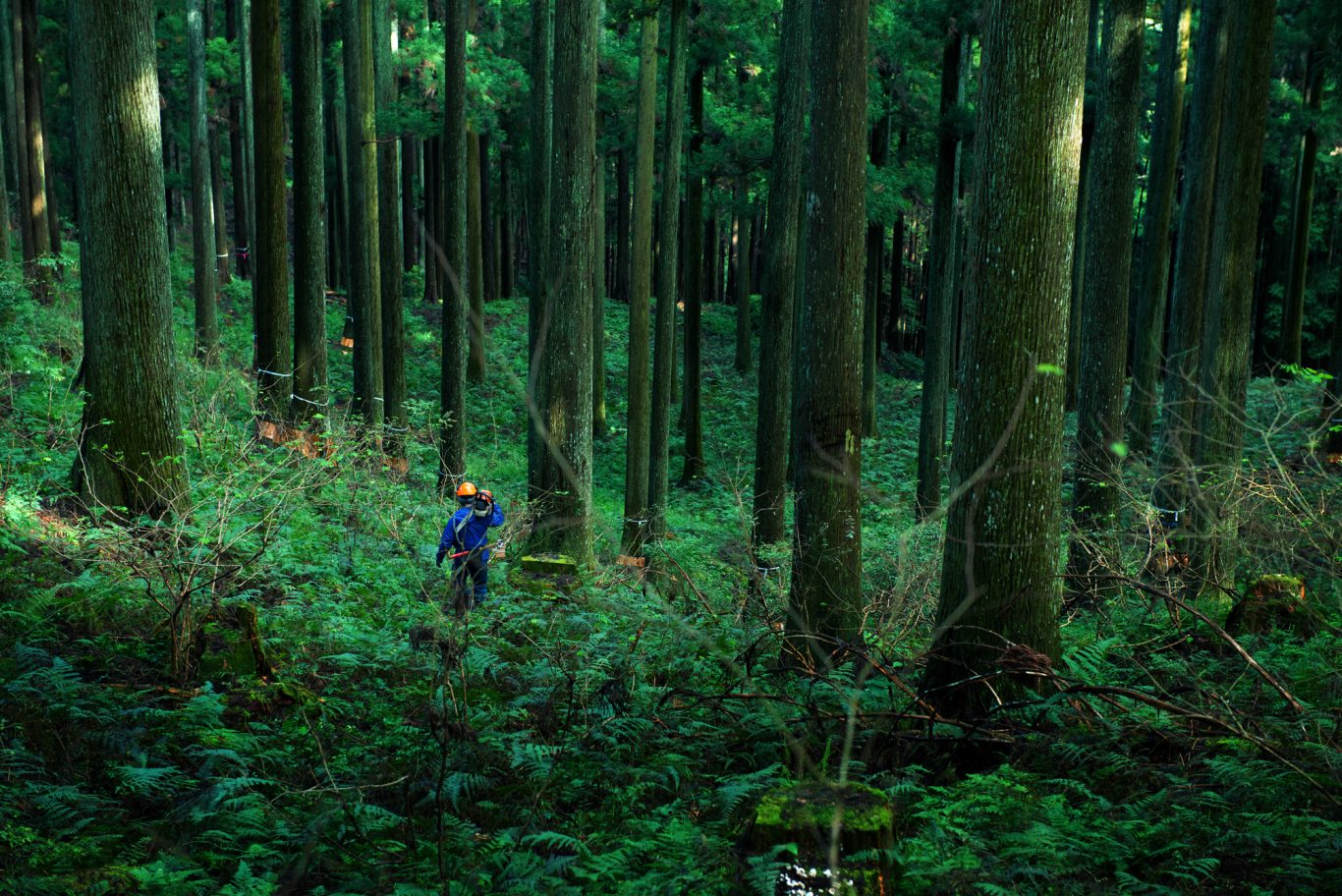
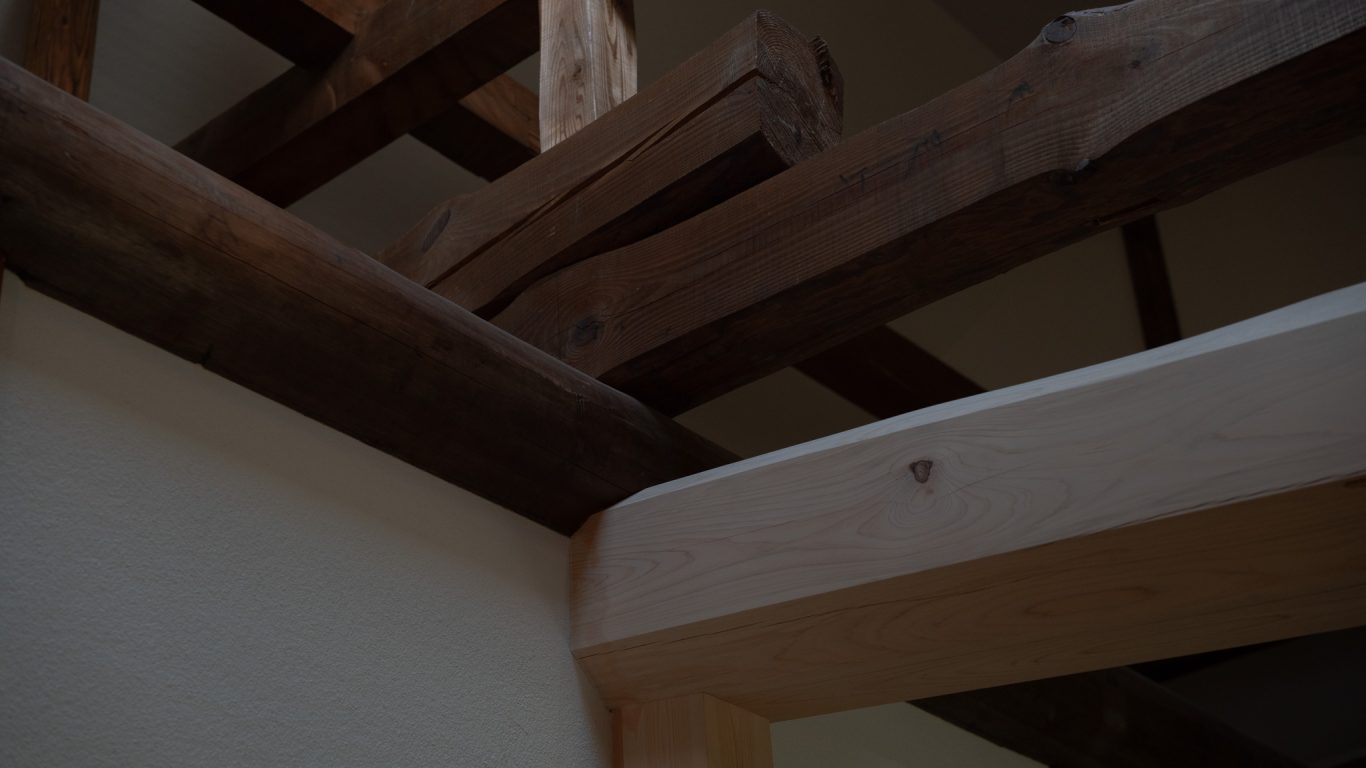
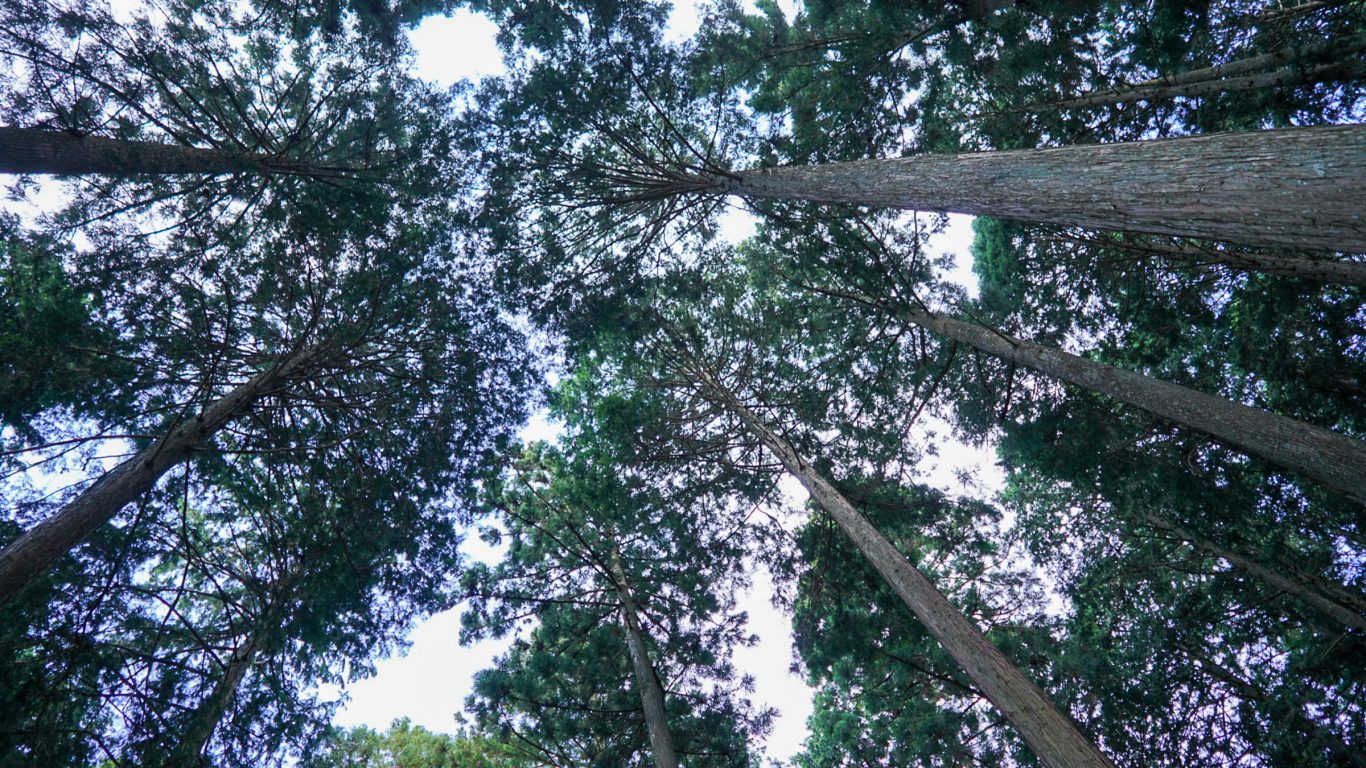
Mokuzou-architect COCHI do not buy the timber for their construction-projects from timber-markets, instead going to the mountains to buy directly from their trusted mountain foresters. With the slogan "To leave the world a beautiful landscape for 300 years to come", the company builds beautiful and resilient houses using the best materials, techniques, and designs. To build awareness of the origins of these trees, grown and tended by many generations of Yamamori, Kochi has started a tour that connects the mountains with the people who live in these special wooden houses.