When we say, “talking with master builders from 100 years ago,” it may sound like a tale of supernatural abilities. However, this isn’t about psychic phenomena. By carefully examining historic homes, we can uncover the thoughts, techniques, and even personalities of the craftsmen of the past. This process feels almost like having a conversation with these builders through the physical details they left behind.
What to Observe in Historic Homes
Regional Characteristics Reflected in Wood Species
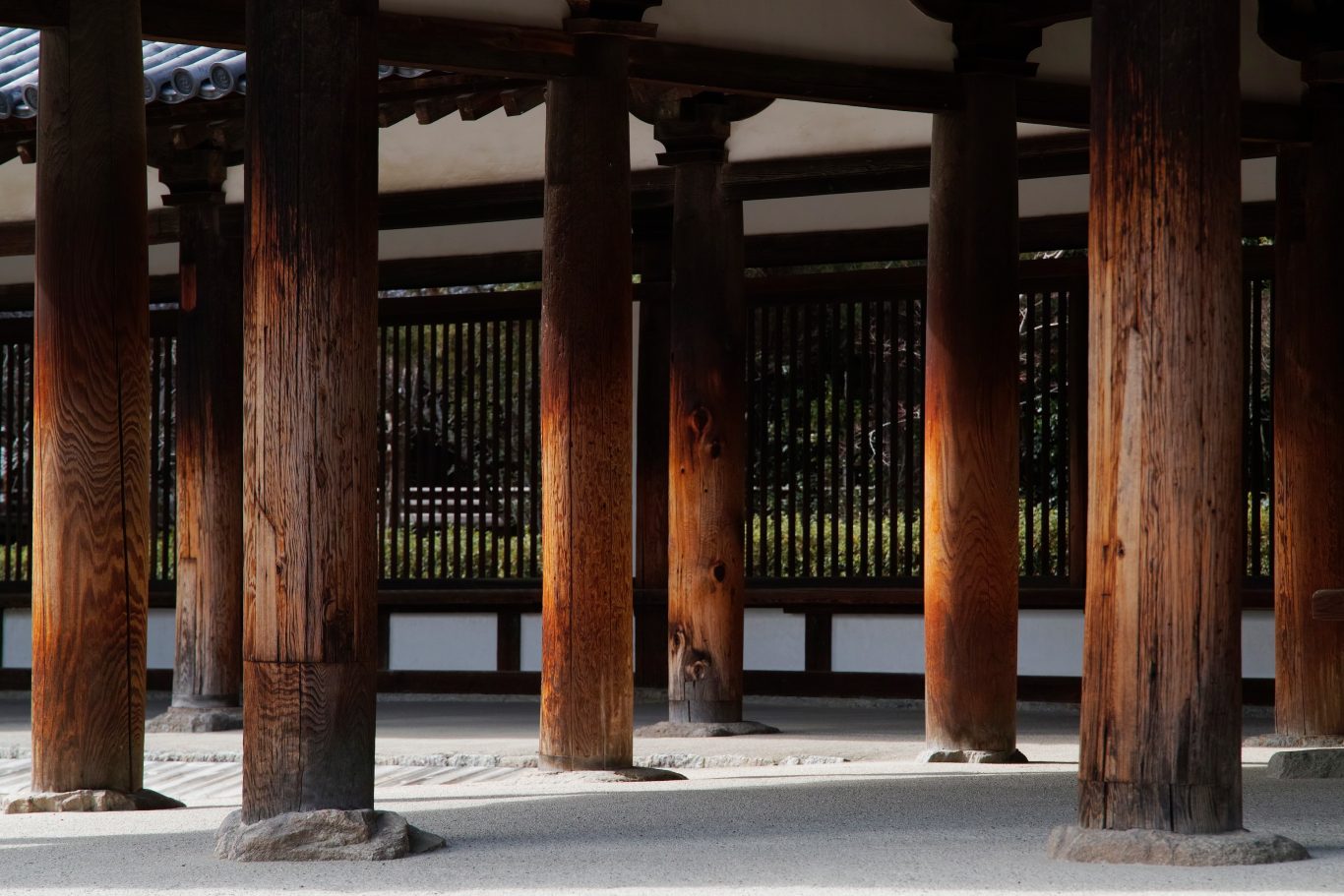
The first element to examine in traditional structures is the wood itself—specifically the types of wood used in columns and beams. The choice of timber reveals regional and historical characteristics, acting as a “narrator” of the building’s story.
- Urban Structures: In cities like Kyoto and Osaka, tsuga (Japanese hemlock) was commonly used in buildings 100 years ago.
- Rural Structures: In the countryside, locally available wood dominated. For instance, hinoki (cypress) was prevalent in Nara, keyaki (zelkova) in northern Shiga, and kuri (chestnut) in western Hyogo.
These variations provide insights into the geographical origin of a building and the resource procurement practices of the time.
Dimensions of Columns and Beams: Insights into Intent
The thickness of columns and the species of beams reflect the priorities and values of both the builder and the client. For example:
- Thick Columns: Large columns, such as those exceeding 12 cm (four sun in traditional Japanese units), not only offered durability but also signified the owner’s investment and aspirations.
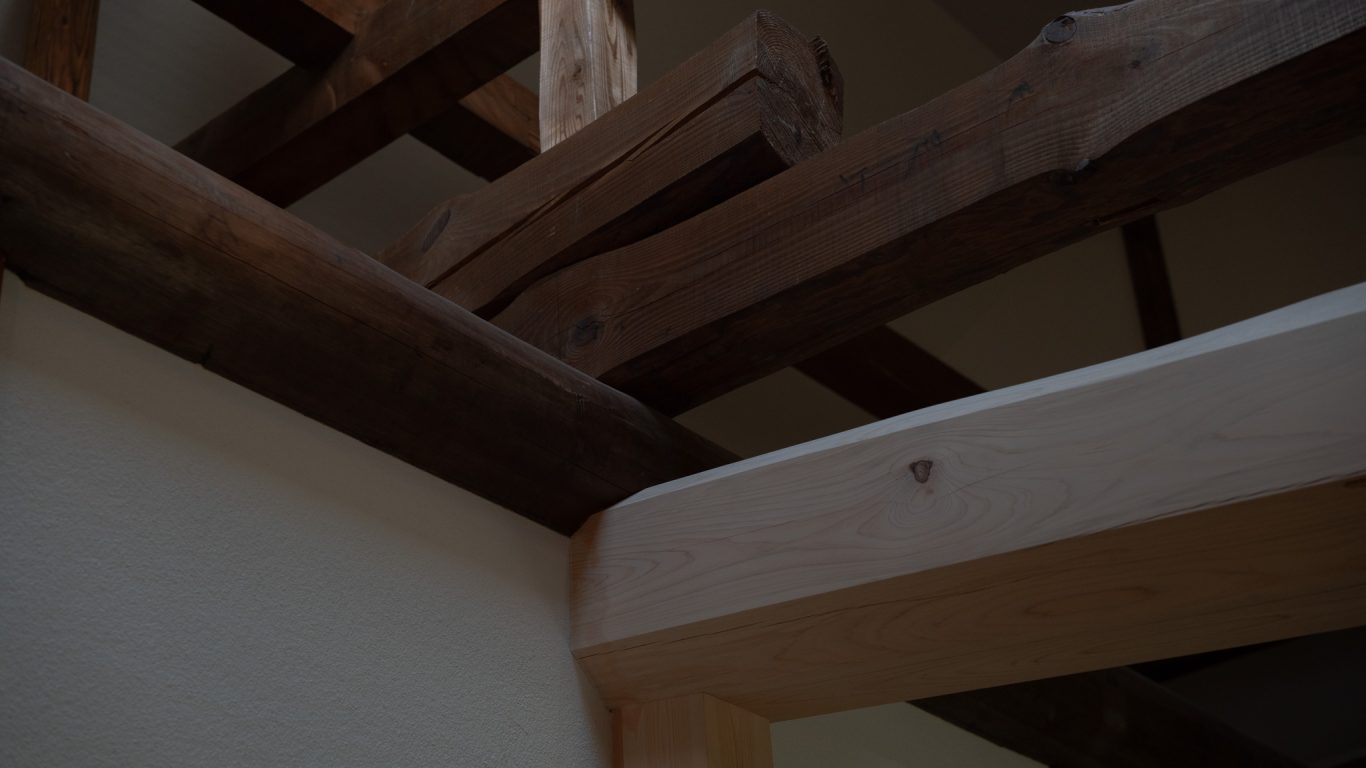
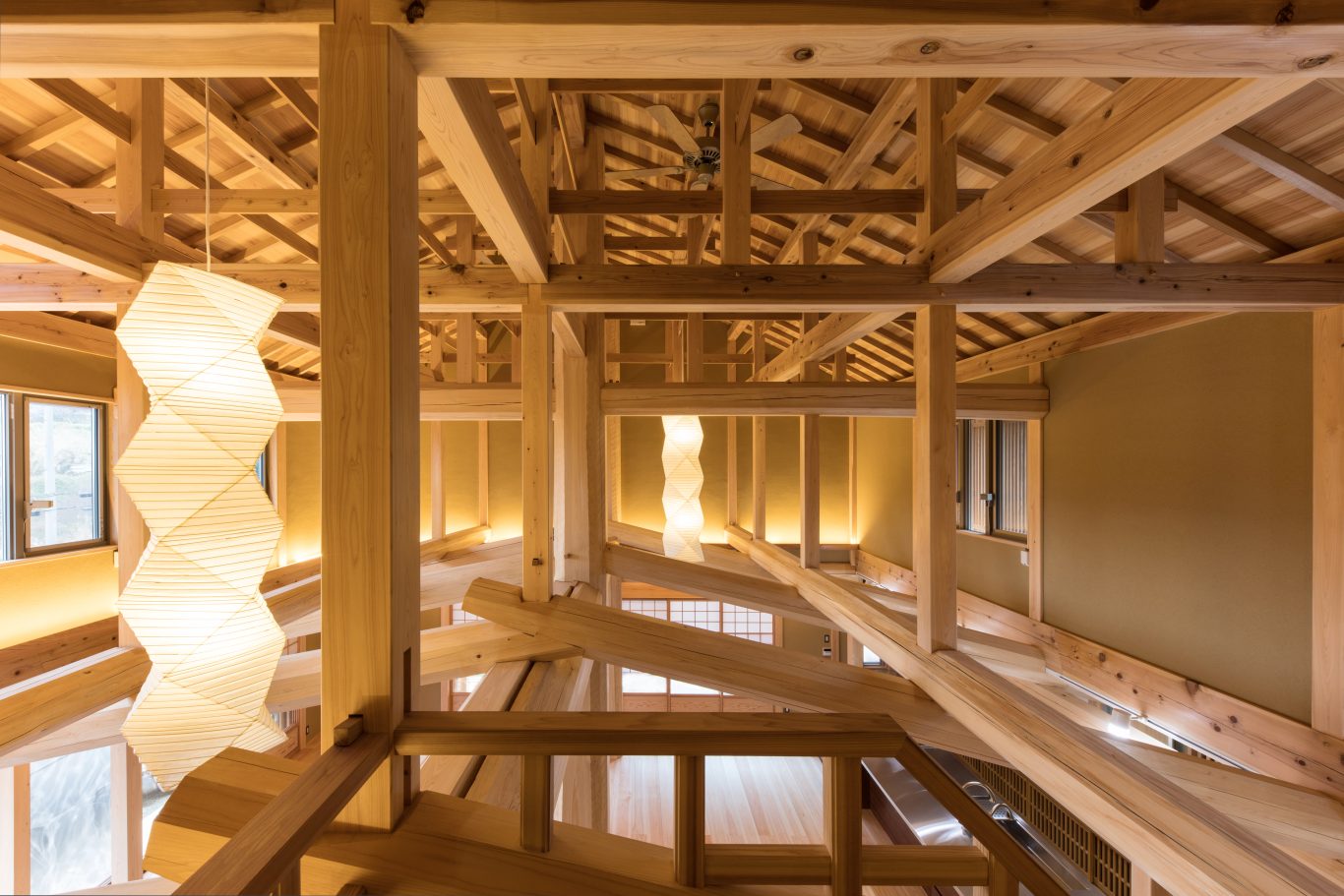
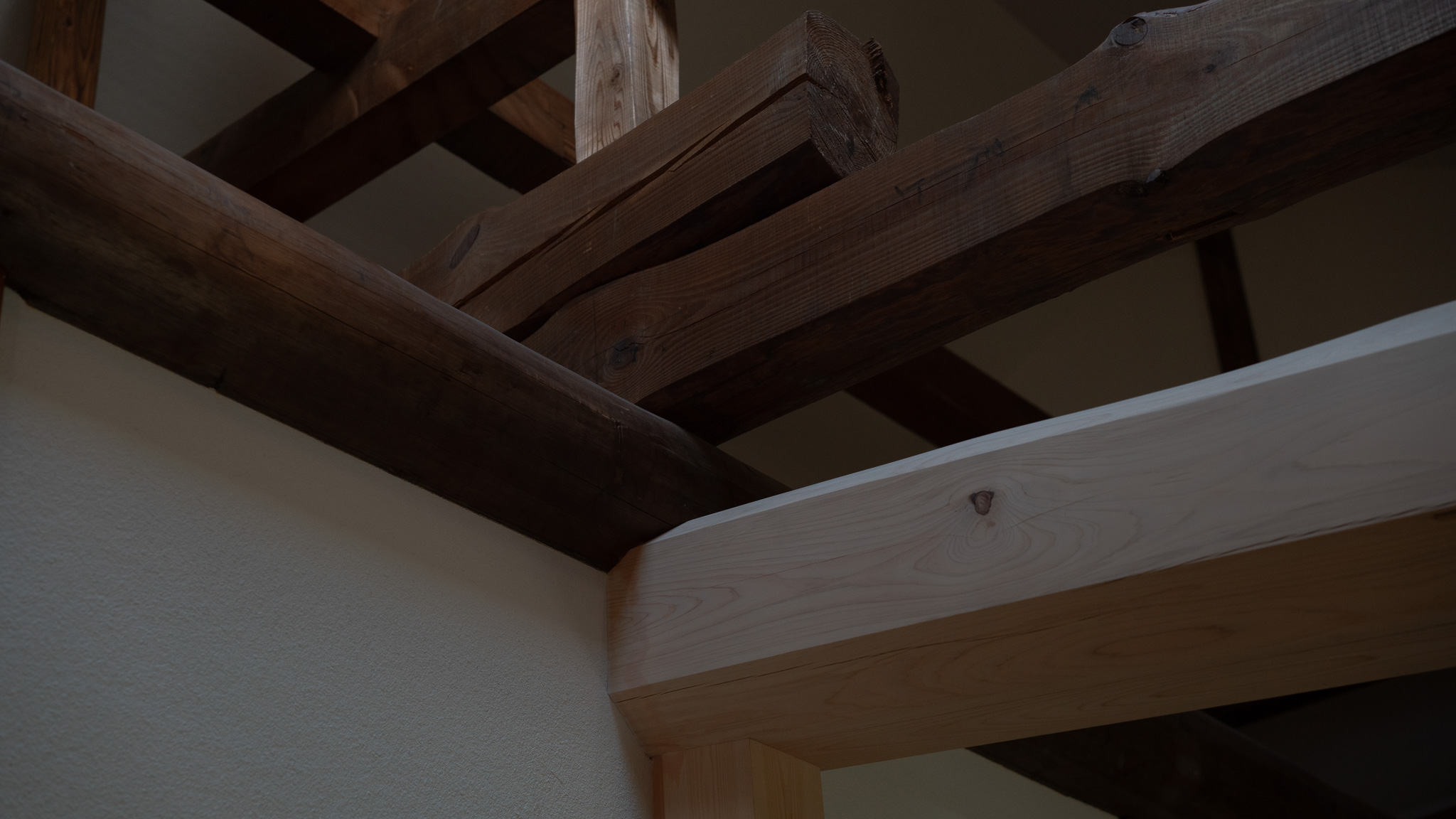
- Beam Selection: The type of wood and precision of the beamwork often showcased the artisan’s skill and aesthetic sensibility.
Craftsmanship Against Pests and Decay
The way wood was treated to resist pests and rot reveals the ingenuity of past craftsmen.
- Red Heartwood vs. White Sapwood: Red heartwood is more resistant to decay and insect damage, while white sapwood is more vulnerable. Many old homes have beams made from pine, where the white sapwood has succumbed to pests after a century. However, in structures prioritizing longevity, only the heartwood was used, with sapwood meticulously removed—a decision that extended the building’s life by 100–200 years.
Reading Settling and Structural Shifts
Understanding Differential Settling
Differential settling occurs when a building’s columns sink unevenly into the ground due to varying loads, leading to structural tilts. By examining this phenomenon, we can understand changes in the building’s stability since its construction and gain insights into the characteristics of the underlying soil.
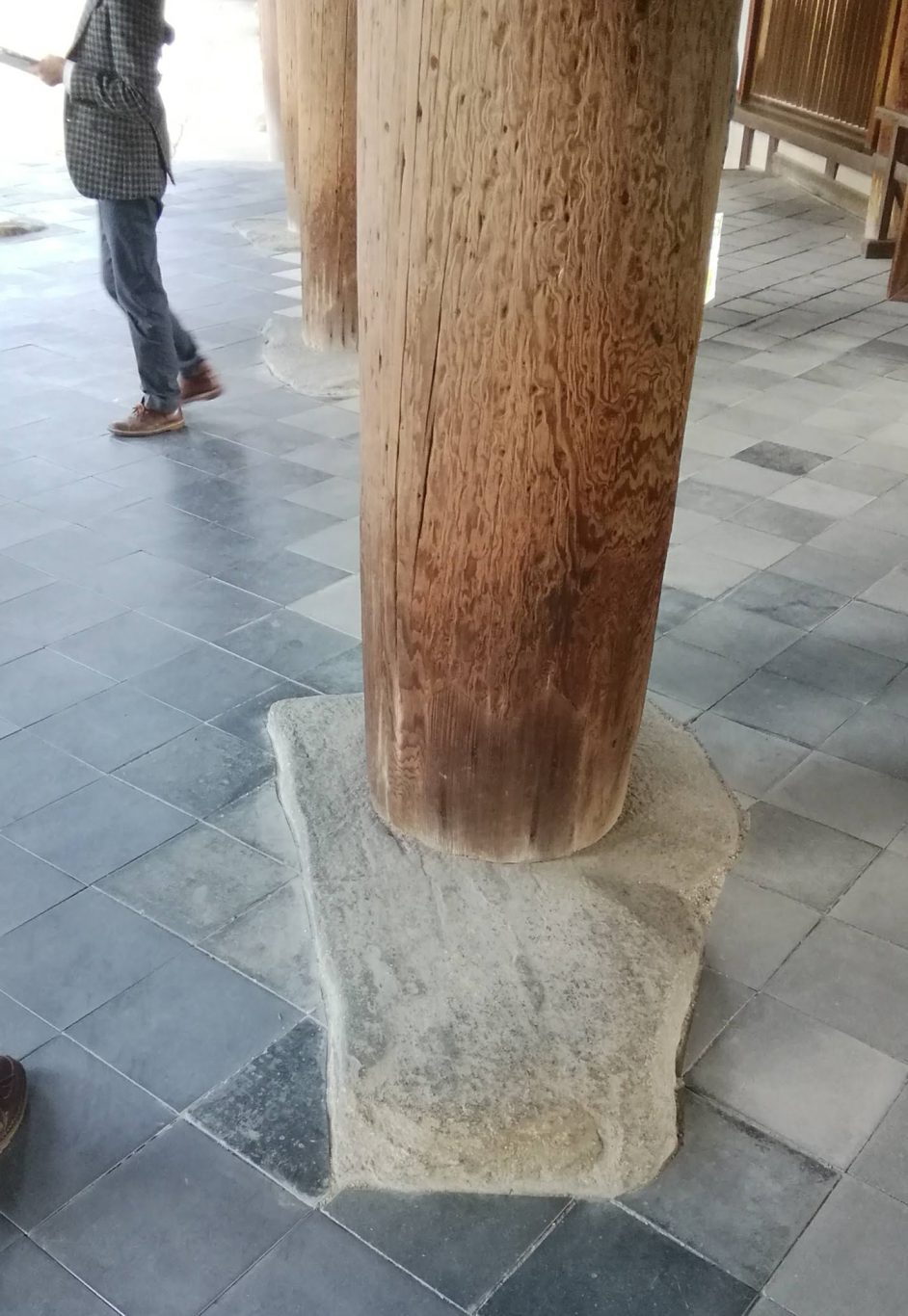
- Stone Foundations: Structures built on stone foundations often reveal traces of careful groundwork, providing additional context about the original construction practices.
To Fix or Not to Fix a Tilt?
Correcting a building’s tilt involves removing and replastering all earthen walls, a costly and labor-intensive process. For this reason, many homeowners opt to leave the tilt as is. When repairs are undertaken, care must be taken to preserve the structural integrity and cultural essence of traditional stone-foundation construction.
Uncovering the Personality of Master Builders
Through meticulous observation, the character and work ethic of past craftsmen come to light.
- Meticulous Craftsmanship: Impeccable foundation work and clever joinery solutions often reveal the diligence and intelligence of the builders.
- Human Imperfections: At times, minor errors in cutting or slight column tilts can be found, reminding us of the builders’ humanity and the challenges they faced.
Comparing the Craft of Past and Present Builders
Average Skill Levels Then and Now
A century ago, nearly all carpenters were skilled in traditional techniques such as sumitsuke (marking timber) and hand-carving joints. Today, these skills are rare, suggesting that the average skill level of carpenters was higher in the past.
Precision and Technological Advancements
However, modern tools and scientific analysis have elevated the precision of contemporary construction. Today’s top carpenters can achieve levels of accuracy and craftsmanship that surpass those of their predecessors, thanks to advanced technology and improved knowledge-sharing.
Building for the Future: Lessons from the Past
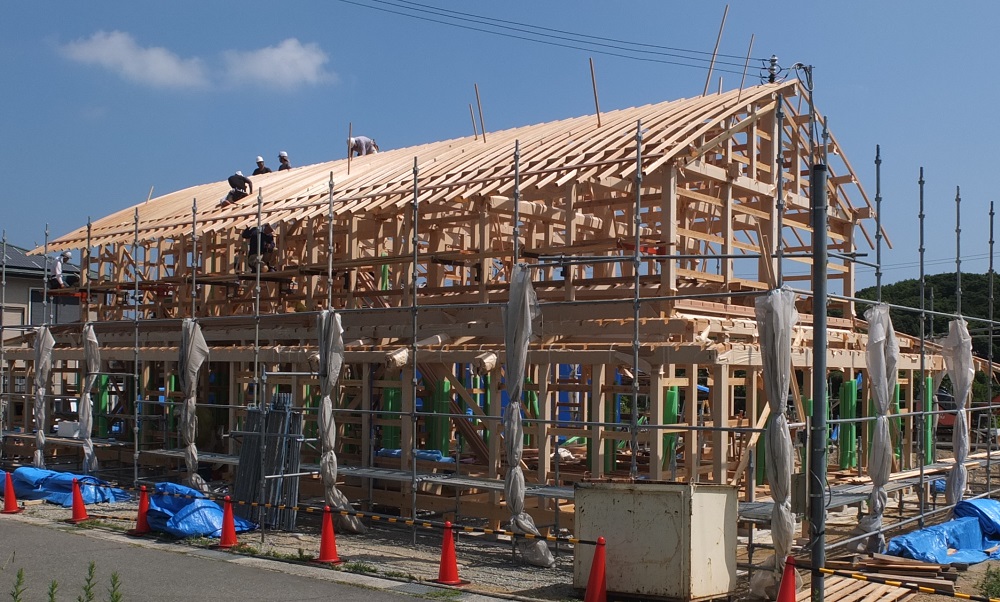
When we imagine how builders 100 years from now might view today’s structures, we are compelled to consider what legacy we want to leave behind. Just as we “speak” with past craftsmen through their work, we should aim to create buildings that convey our own era’s architectural philosophy to future generations.
The quality of modern carpentry and building practices will determine how they are evaluated in the future. By drawing inspiration from the wisdom and ingenuity of past master builders, we can strive to construct homes and structures that resonate across centuries, bridging the gap between past, present, and future.
Hitoshi Sato(Architect / CEO of Mokuzo-architect COCHI)
Mokuzou-architect COCHI do not buy the timber for their construction-projects from timber-markets, instead going to the mountains to buy directly from their trusted mountain foresters. With the slogan "To leave the world a beautiful landscape for 300 years to come", the company builds beautiful and resilient houses using the best materials, techniques, and designs. To build awareness of the origins of these trees, grown and tended by many generations of Yamamori, Kochi has started a tour that connects the mountains with the people who live in these special wooden houses.