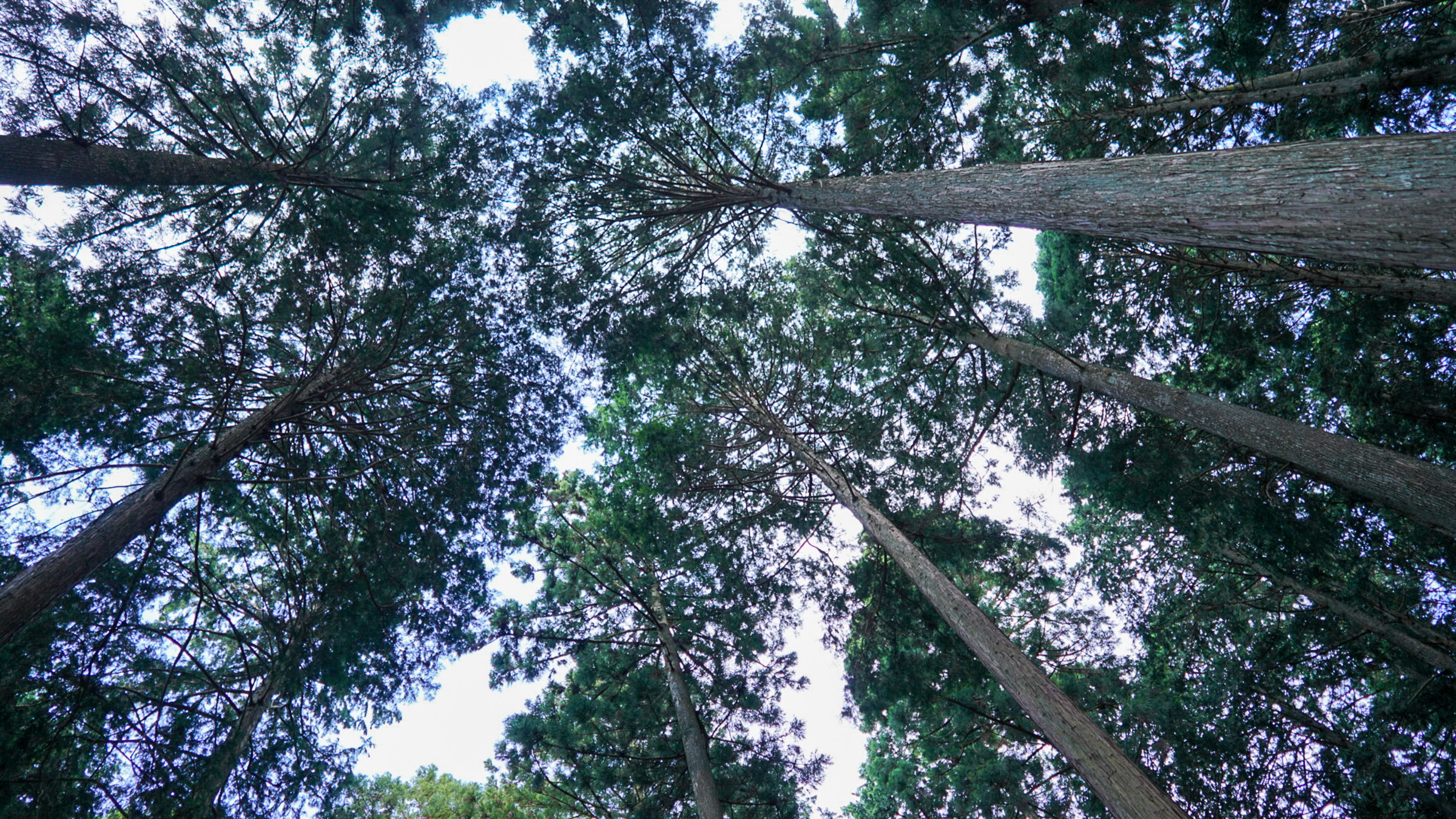
Japan’s rich history of wooden architecture owes much to its abundant coniferous forests. Among these, cedar (sugi) and cypress (hinoki) stand out as indispensable materials, offering unique properties that have supported the construction of some of the world’s oldest and most resilient wooden structures.
The Ideal Match: Coniferous Trees and Japan’s Environment
The Unique Qualities of Coniferous Trees
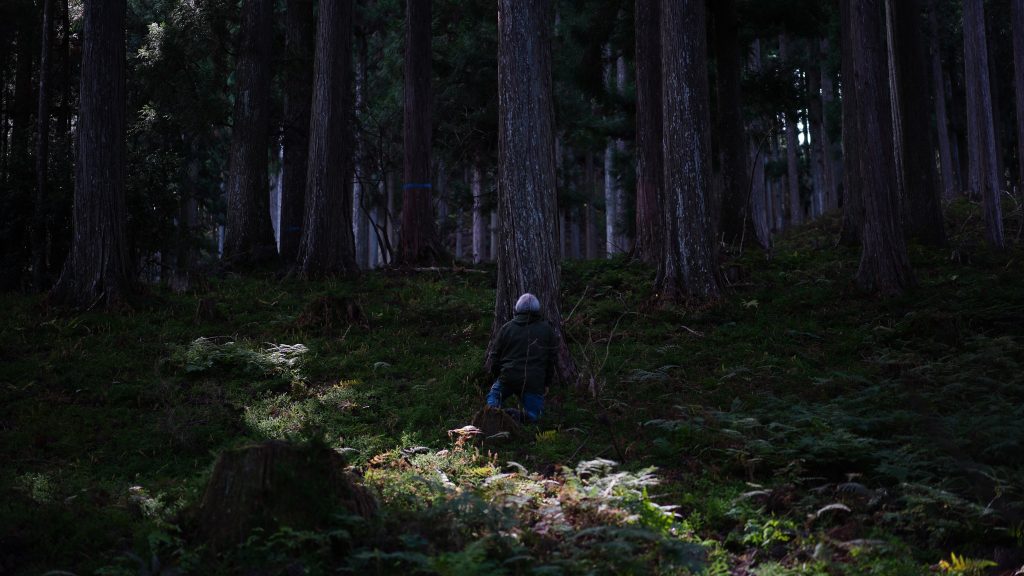
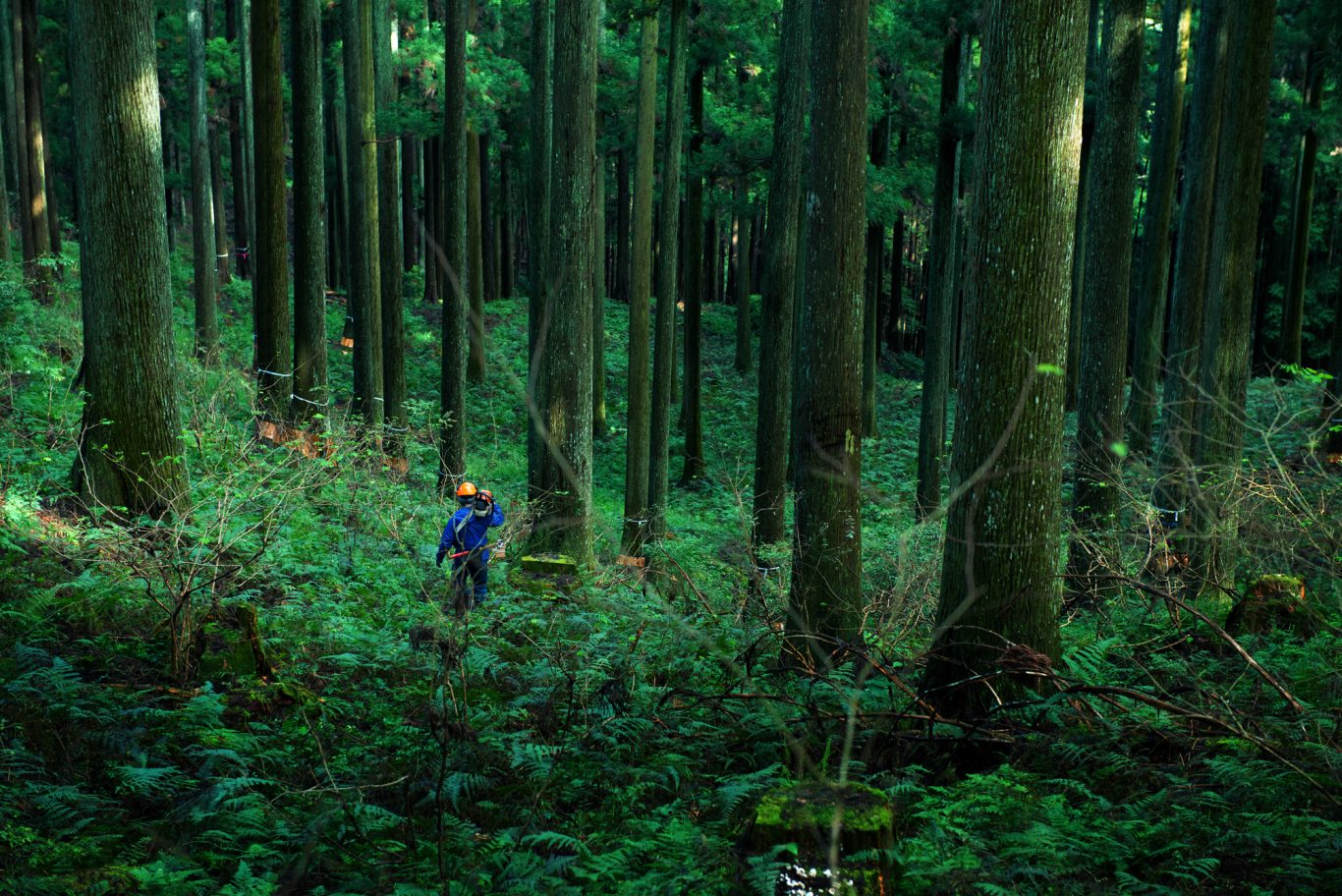
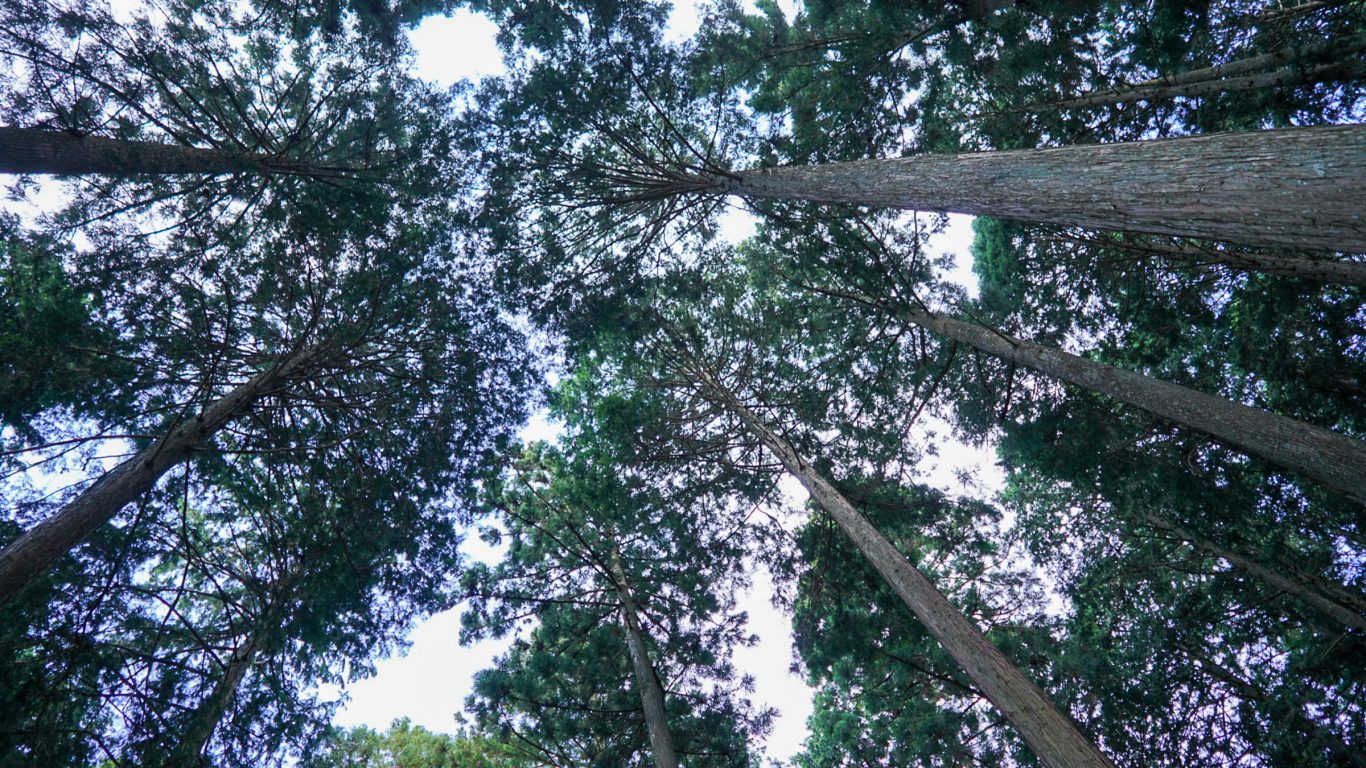
Japan’s diverse geography fosters both coniferous and broadleaf forests. In regions conducive to their growth, coniferous trees like cedar and cypress naturally grow tall and straight. These characteristics made them ideal for wooden architecture, where long, straight beams are crucial.
- Cedar: Lightweight and easy to work with, cedar was commonly used for structural elements.
- Cypress: Renowned for its durability, beauty, and fragrance, cypress became the preferred material for prestigious and long-lasting constructions.
Unlike broadleaf trees, which often grow in irregular shapes, coniferous trees provided the linear timber necessary for Japan’s architectural needs.
The Remarkable Properties of Hinoki Cypress
Aging Gracefully
Hinoki possesses extraordinary properties that set it apart from other types of wood:
- Strength Over Time: Remarkably, hinoki gains strength for up to 300 years after being harvested. Even after this period, its strength decreases only gradually, taking up to 1,300 years to return to its original condition.
- Comparison with Broadleaf Trees: In contrast, keyaki (zelkova), a popular broadleaf tree, begins to lose strength immediately after felling. This durability highlights why hinoki has been the cornerstone of Japan’s wooden architecture.
Supporting Ancient Structures
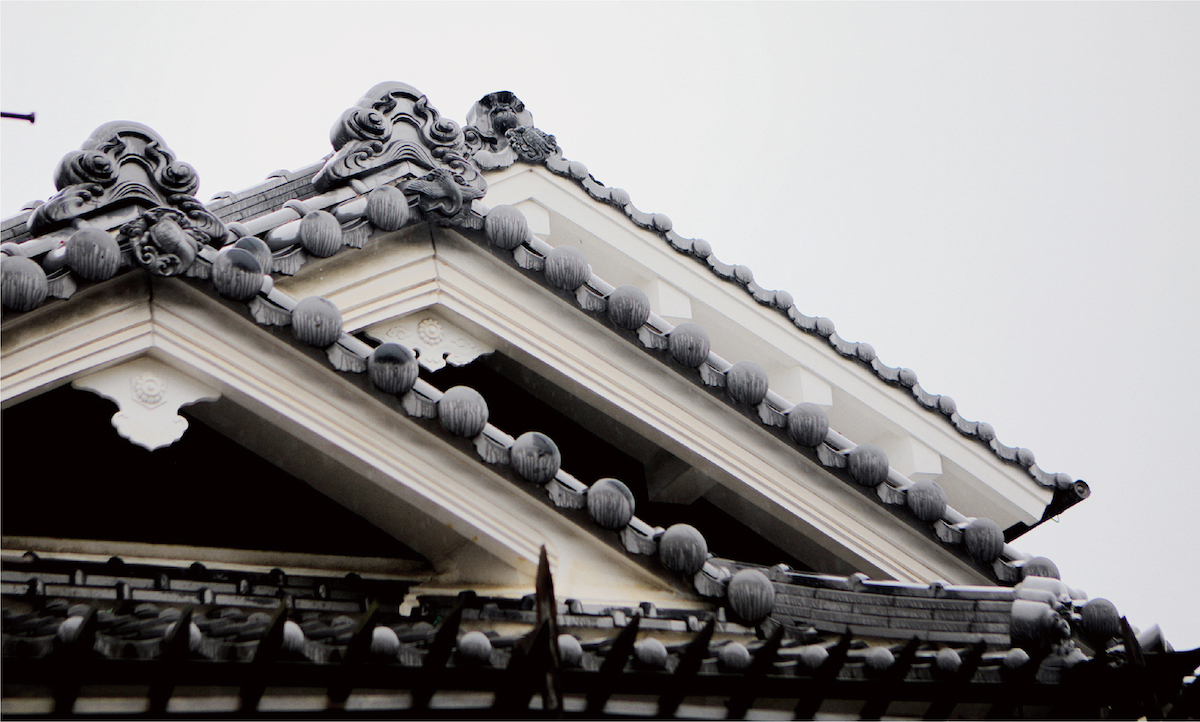
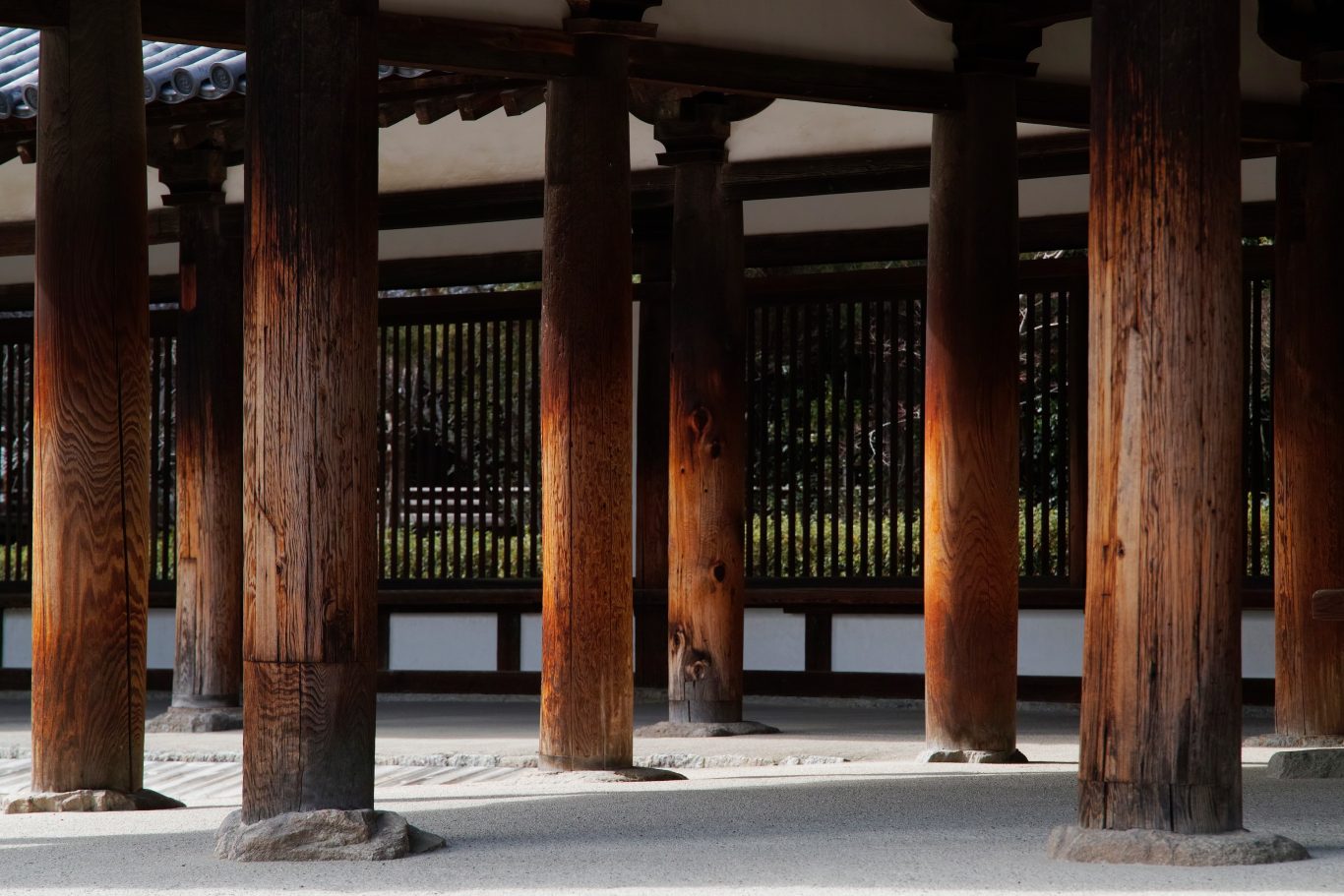
Hinoki’s resilience has enabled the survival of ancient wooden structures like Hōryū-ji, which stands strong after over 1,300 years. Its ability to maintain strength and resist decay has made it the preferred material for temples, shrines, and other historical buildings.
Hinoki in Historical Architecture
A Legacy of Longevity
Many ancient buildings, including Hōryū-ji, were constructed with hinoki cypress trees over 1,000 years old. Today, such aged trees are rare in Japan.
- Recent Reconstructions: For example, the reconstruction of the Three-Story Pagoda at Yakushi-ji Temple utilized Taiwanese hinoki, some of which were over 2,000 years old, due to the scarcity of comparable trees in Japan.
- Domestic Sources: In areas like Yoshino (Nara) and Kiso (Nagano), hinoki trees typically reach about 400–500 years of age before being harvested, a far cry from the millennium-old trees used in the past.
Efforts in Preservation and Restoration
Preserving the historical value of buildings often involves careful restoration.
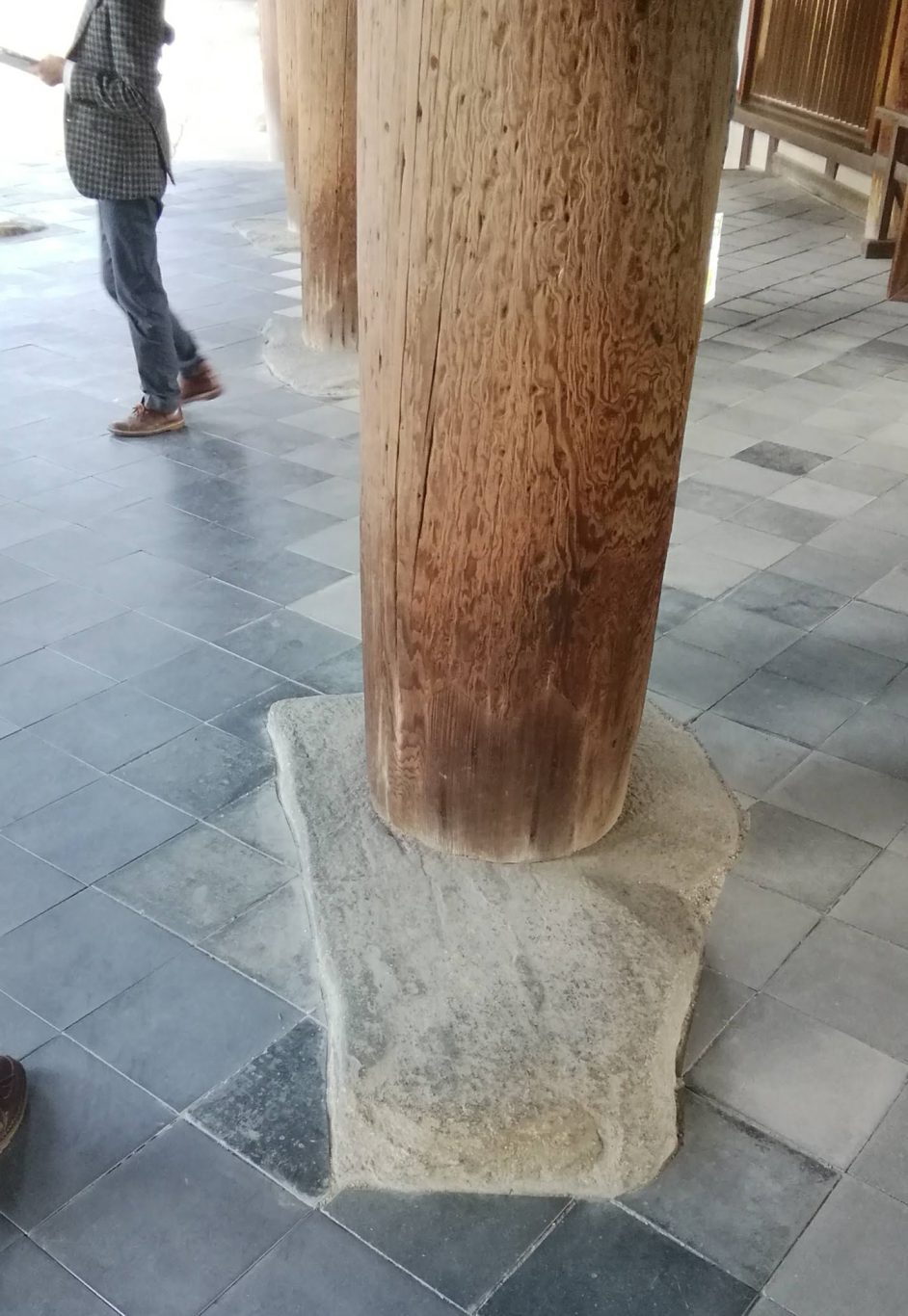
- Tōshōdai-ji Temple’s Main Hall: Built around 1,300 years ago, 26 of its original hinoki pillars remain in use today. While some have been replaced due to rot or termite damage, the restoration process prioritizes reusing original materials wherever possible, preserving both the structure’s integrity and its historical significance.
Hinoki: A Pillar of Japanese Wooden Architecture
A Cultural and Natural Treasure
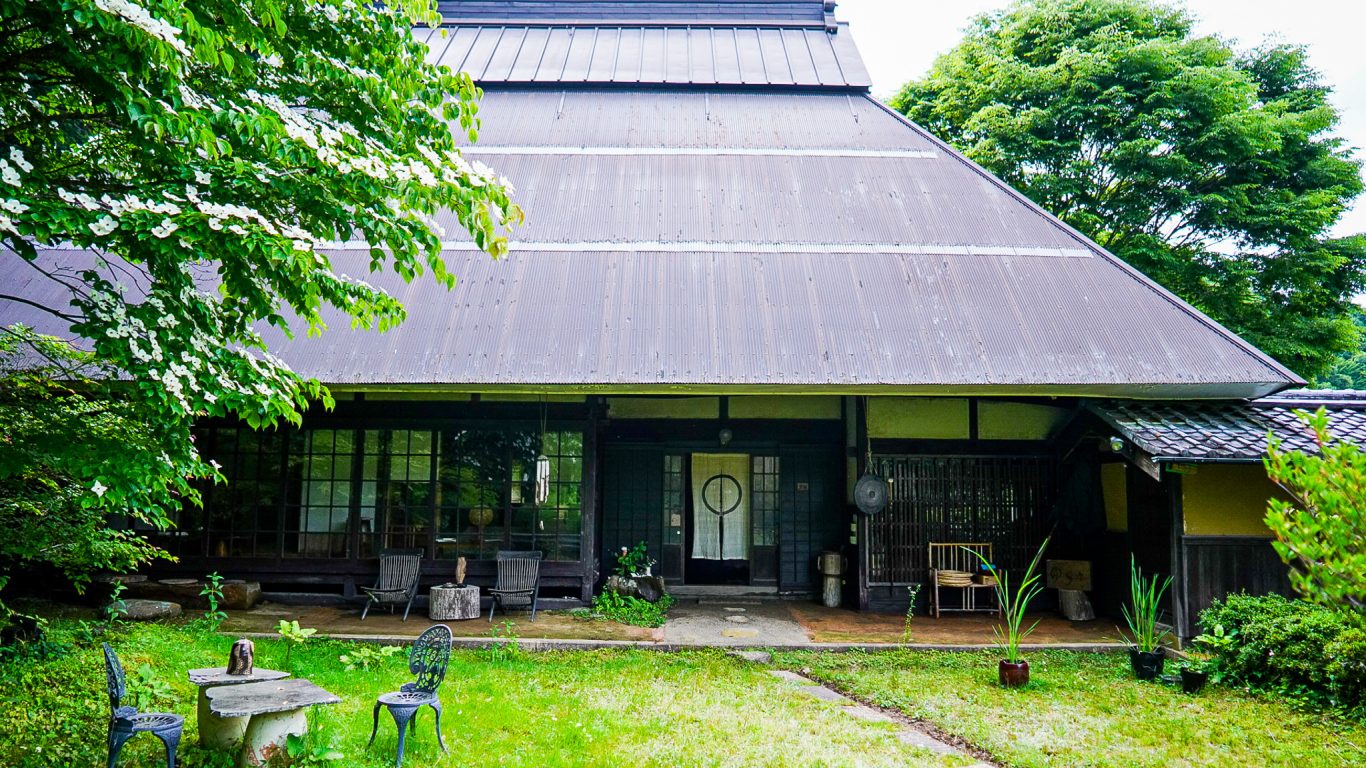
If hinoki did not naturally grow in Japan, the country might never have become the global epicenter of ancient wooden architecture. Its durability, beauty, and adaptability have made it a symbol of Japan’s architectural ingenuity and cultural heritage.
Sustainability and Wisdom
Japan’s wooden buildings are not just marvels of engineering but also models of sustainable natural resource use. Hinoki and cedar exemplify a harmonious relationship between human craftsmanship and the environment.
Lessons for the Future
The enduring legacy of hinoki offers valuable insights for modern architecture and restoration:
- Sustainability: The judicious use of natural resources, as seen in Japan’s traditional practices, remains a vital principle for future construction.
- Restoration Techniques: Preserving historical buildings using local materials and traditional methods ensures their cultural and historical value is maintained.
- Inspiration for Modern Design: Incorporating the wisdom of traditional materials and techniques can guide innovative, sustainable approaches in contemporary architecture.
By learning from the past and embracing its sustainable principles, we can ensure that the beauty and strength of Japan’s wooden architecture continue to inspire future generations.
Hitoshi Sato(Architect / CEO of Mokuzo-architect COCHI)
Mokuzou-architect COCHI do not buy the timber for their construction-projects from timber-markets, instead going to the mountains to buy directly from their trusted mountain foresters. With the slogan "To leave the world a beautiful landscape for 300 years to come", the company builds beautiful and resilient houses using the best materials, techniques, and designs. To build awareness of the origins of these trees, grown and tended by many generations of Yamamori, Kochi has started a tour that connects the mountains with the people who live in these special wooden houses.