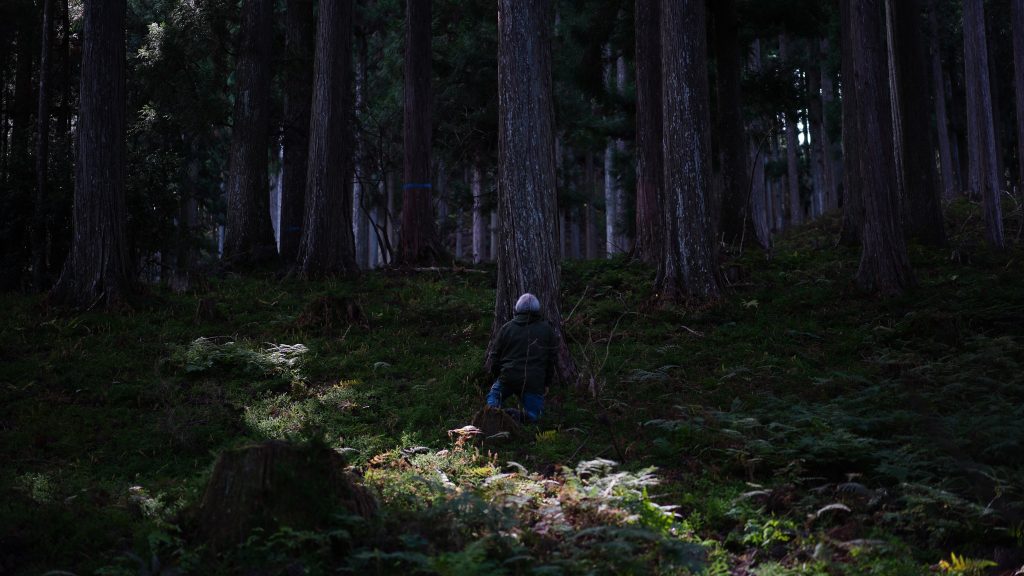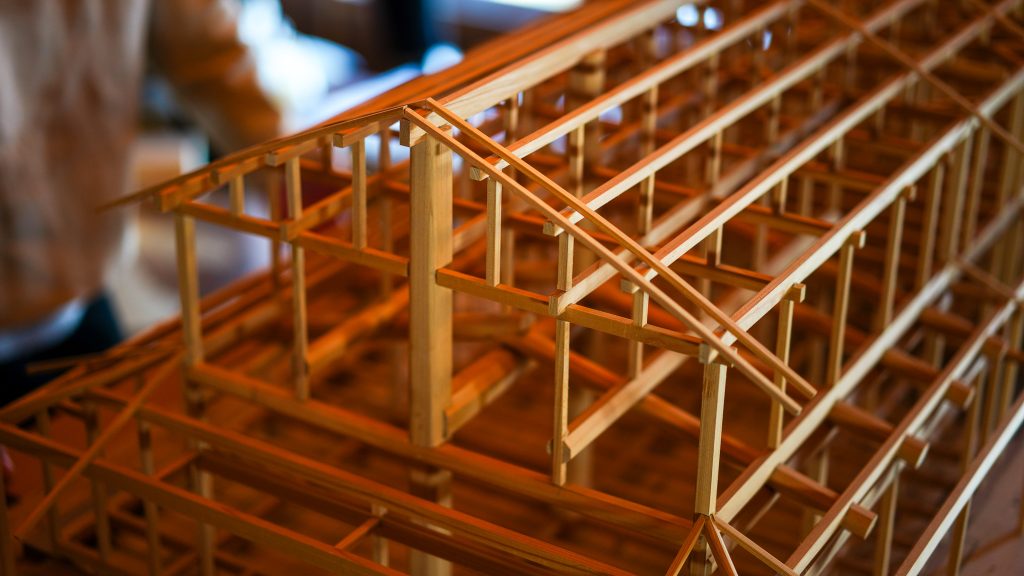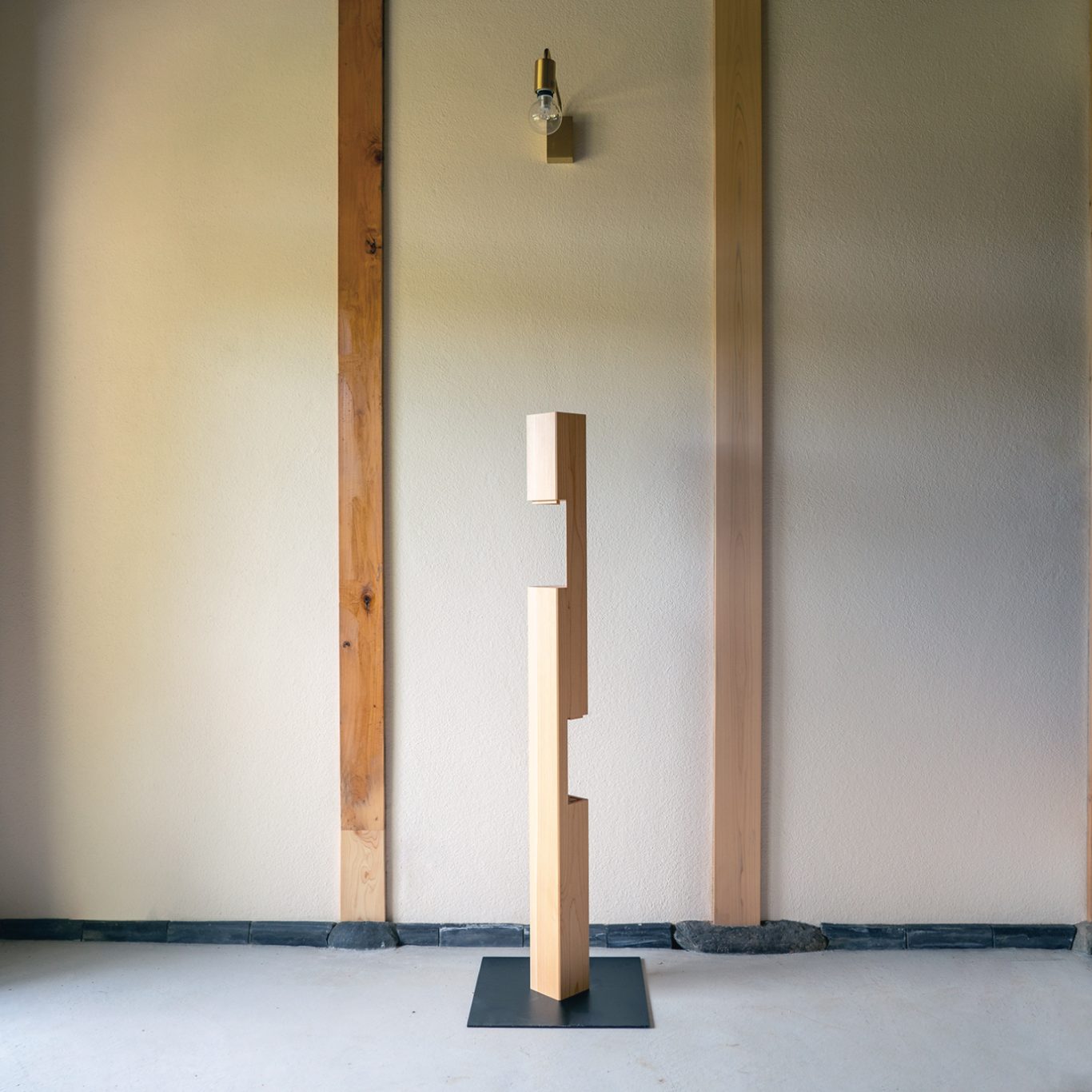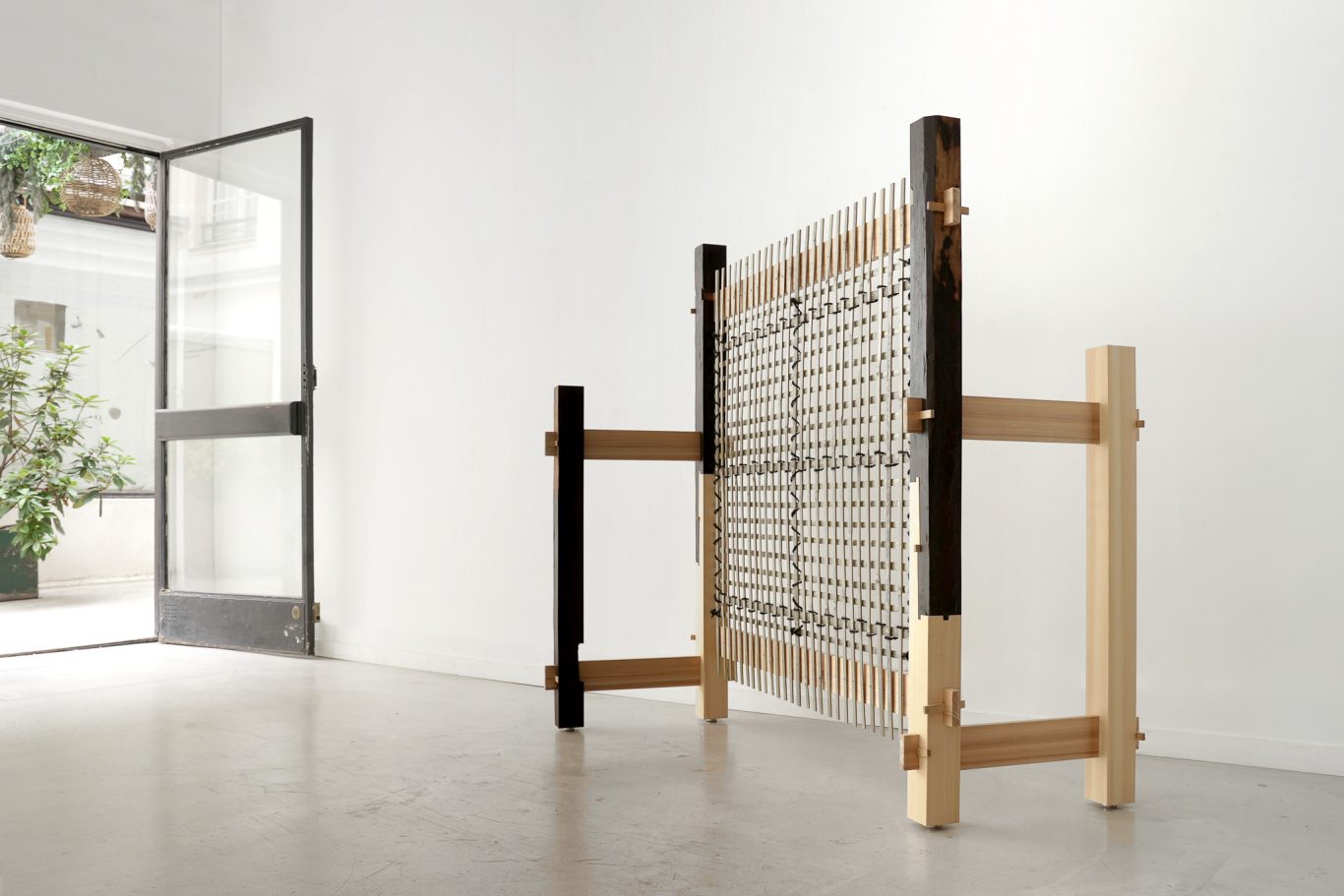
The signature forestry practices of Yoshino Forestry—dense planting (misshoku), repeated thinning (takanbatsu), and extended growth cycles (chobatsuki)—are at the heart of producing the exquisite Yoshino cedar (sugi) and cypress (hinoki). These techniques, honed over centuries, yield timber with fine, even growth rings and a distinctive soft pink hue, prized for its strength, durability, and aesthetic appeal. Let’s explore the three pillars of this unique forestry system.
1. Dense Planting (Misshoku)
Planting 3–4 Times More Trees for Superior Timber
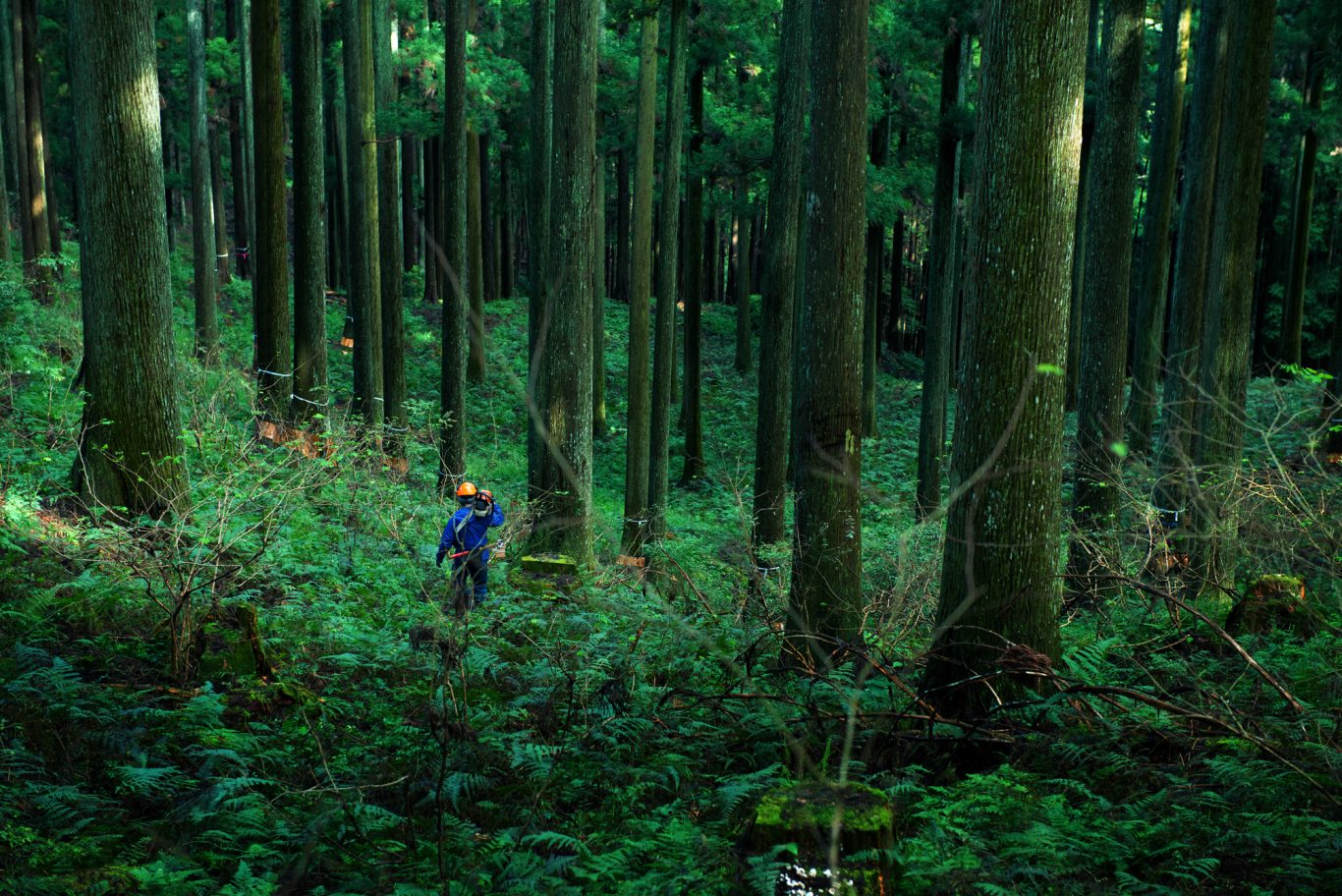
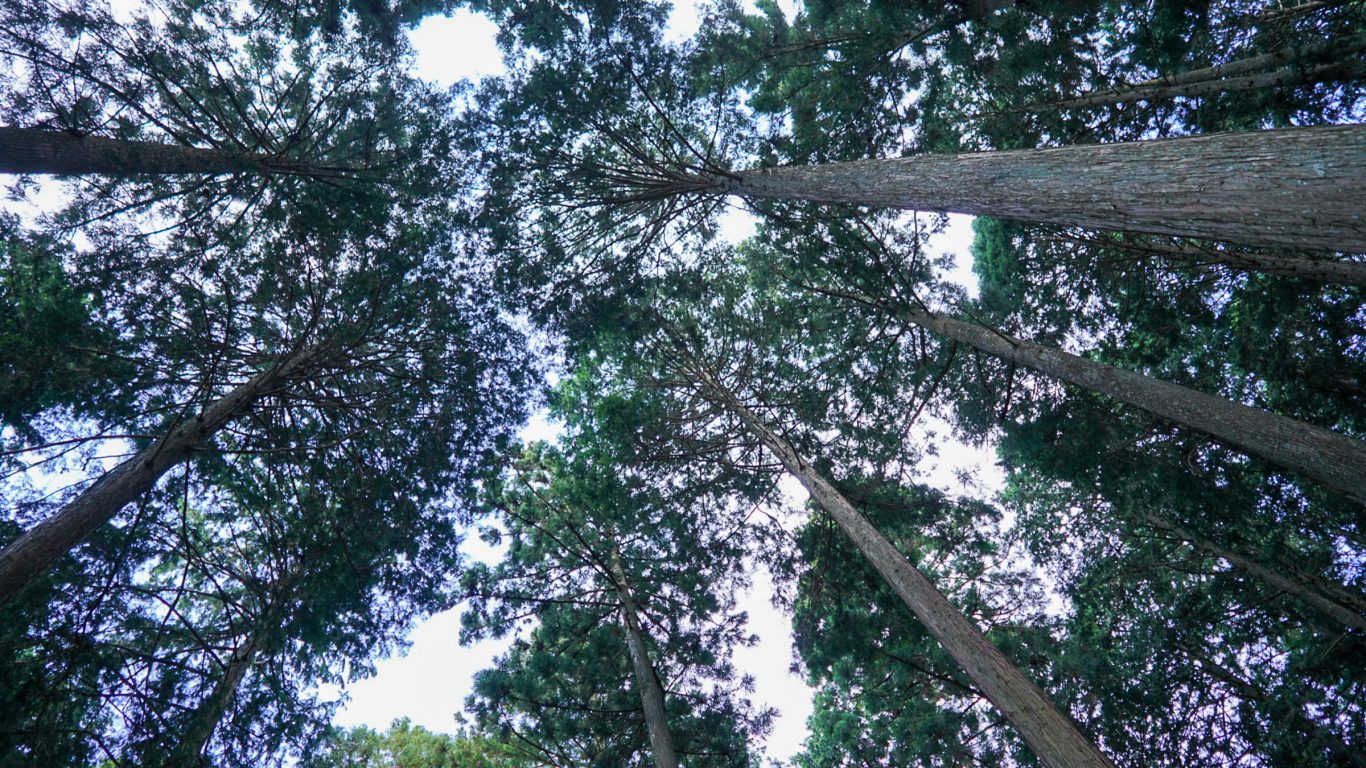
In most coniferous forests, around 3,000–5,000 trees are planted per hectare. In Yoshino, however, foresters plant an extraordinary 8,000–12,000 trees per hectare, creating an intensely competitive environment for the young saplings.
- Effect of Dense Planting:
This competition limits the growth of each tree, resulting in timber with tight, even growth rings that enhance its strength, durability, and aesthetic appeal. - Quality of Yoshino Timber:
Yoshino timber often boasts over eight growth rings per centimeter, making it ideal for construction, furniture, and traditional products like barrels. The dense, uniform grain not only looks beautiful but also provides exceptional strength.
2. Repeated Thinning (Takanbatsu)
Continuous Care for High-Quality Growth
Unlike conventional forestry, where thinning may be done once or twice, Yoshino Forestry employs repeated thinning over decades. This involves removing weaker trees periodically to ensure that stronger, healthier trees have enough space, sunlight, and nutrients to thrive.
- Benefits of Repeated Thinning:
- Promotes the growth of straight, knot-free trunks.
- Produces timber with uniform quality, essential for high-end applications.
- Applications:
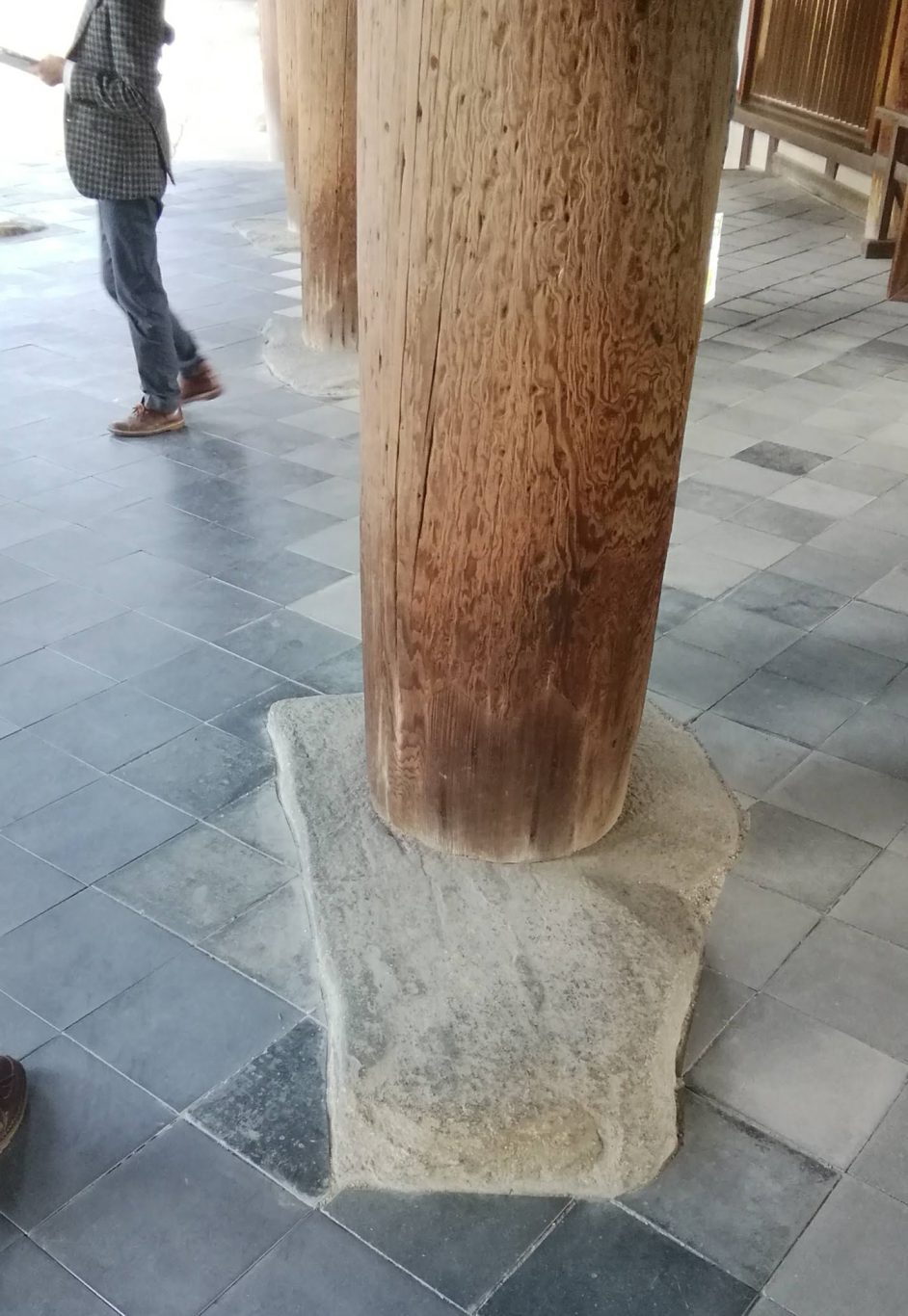
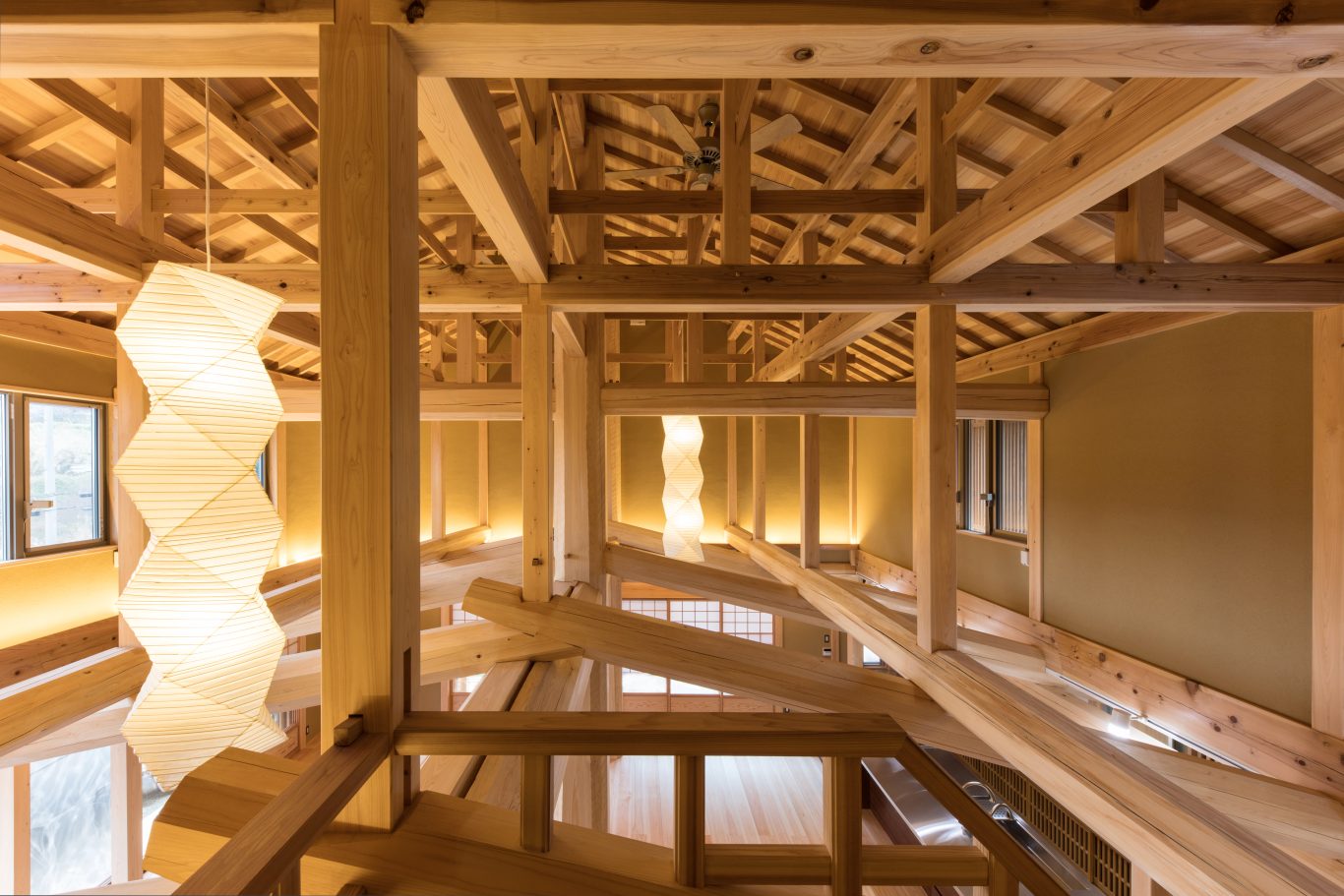
Thinned trees provide material for various uses, while the remaining mature trees grow into premium-grade timber for pillars, polished round logs, and barrels used in sake and soy sauce production.
3. Extended Growth Cycles (Chobatsuki)
Doubling the Growth Period for Superior Quality
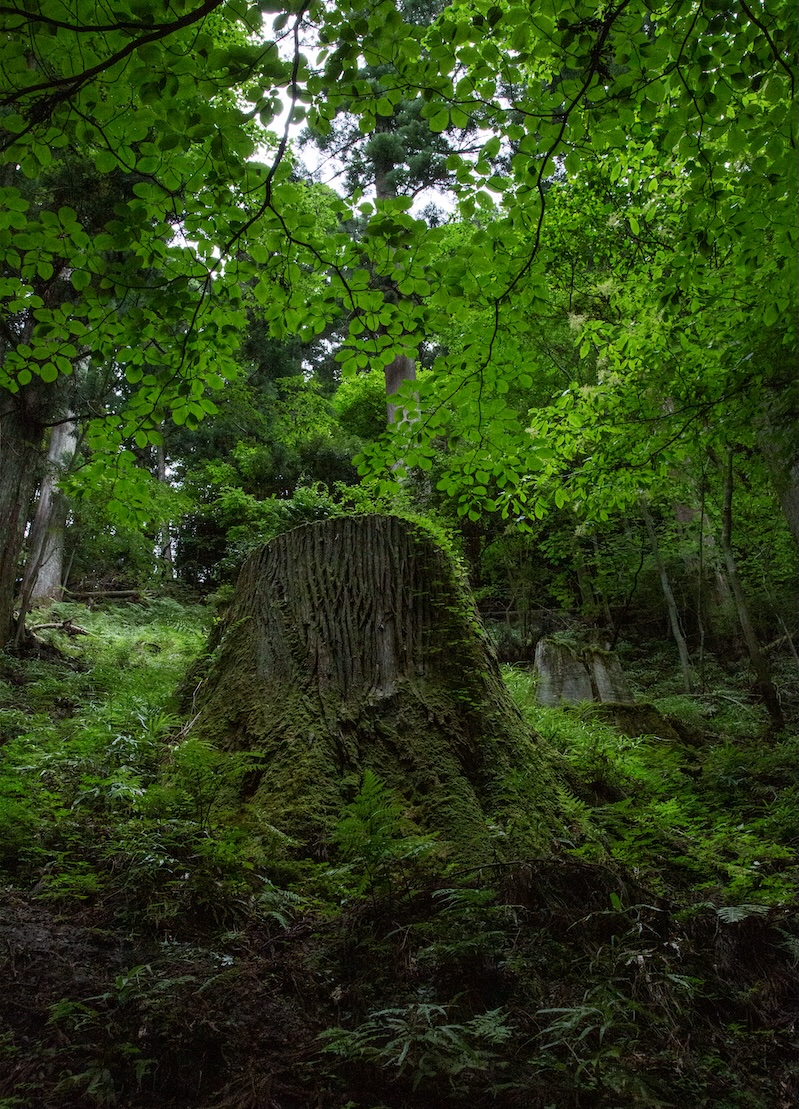
While most cedar and cypress trees are harvested at 40–50 years of age, Yoshino trees are often grown for 80–100 years or longer. This extended growth period allows the trees to develop evenly spaced, fine growth rings and enhance their overall quality.
- Selective Harvesting (Takubatsu):
Yoshino foresters carefully harvest trees from different parts of the forest while preserving the balance of the ecosystem. This method minimizes environmental impact and ensures sustainable forest management. - Premium Uses:
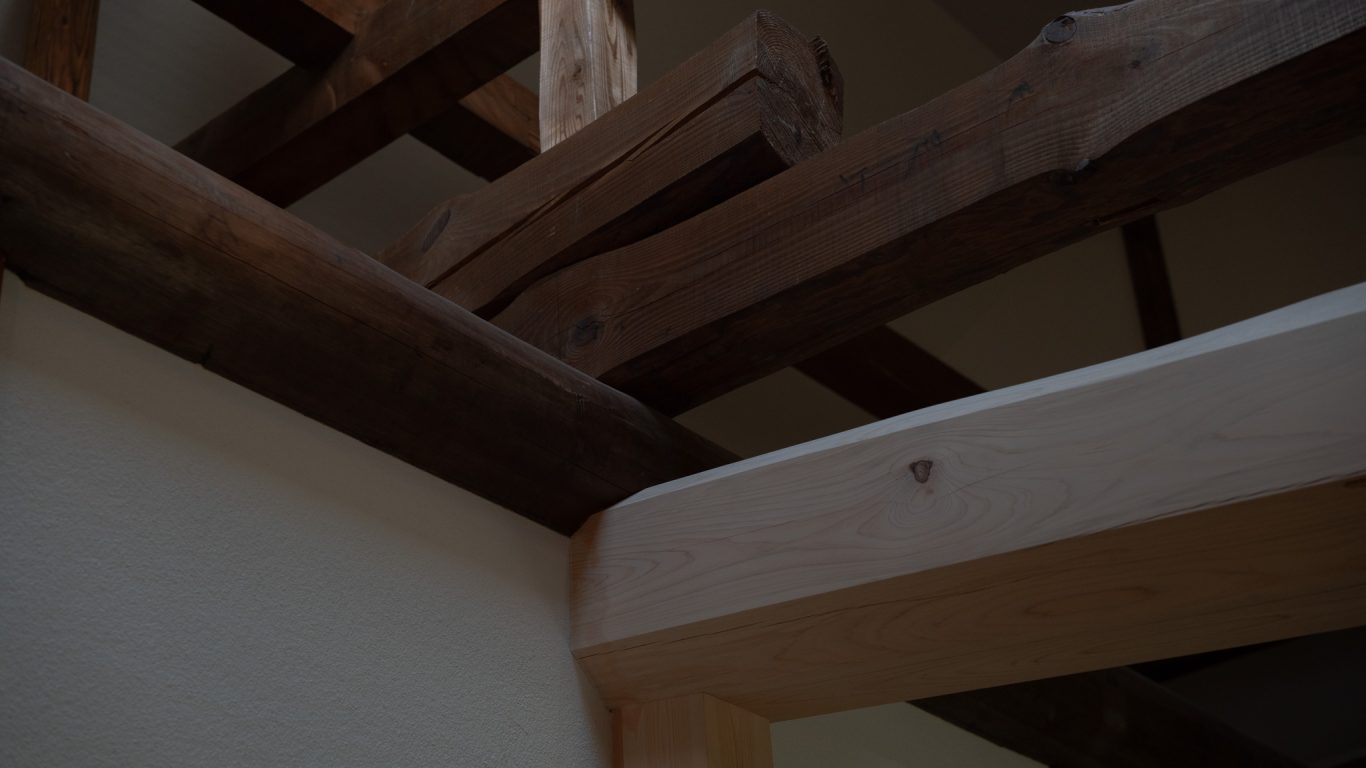
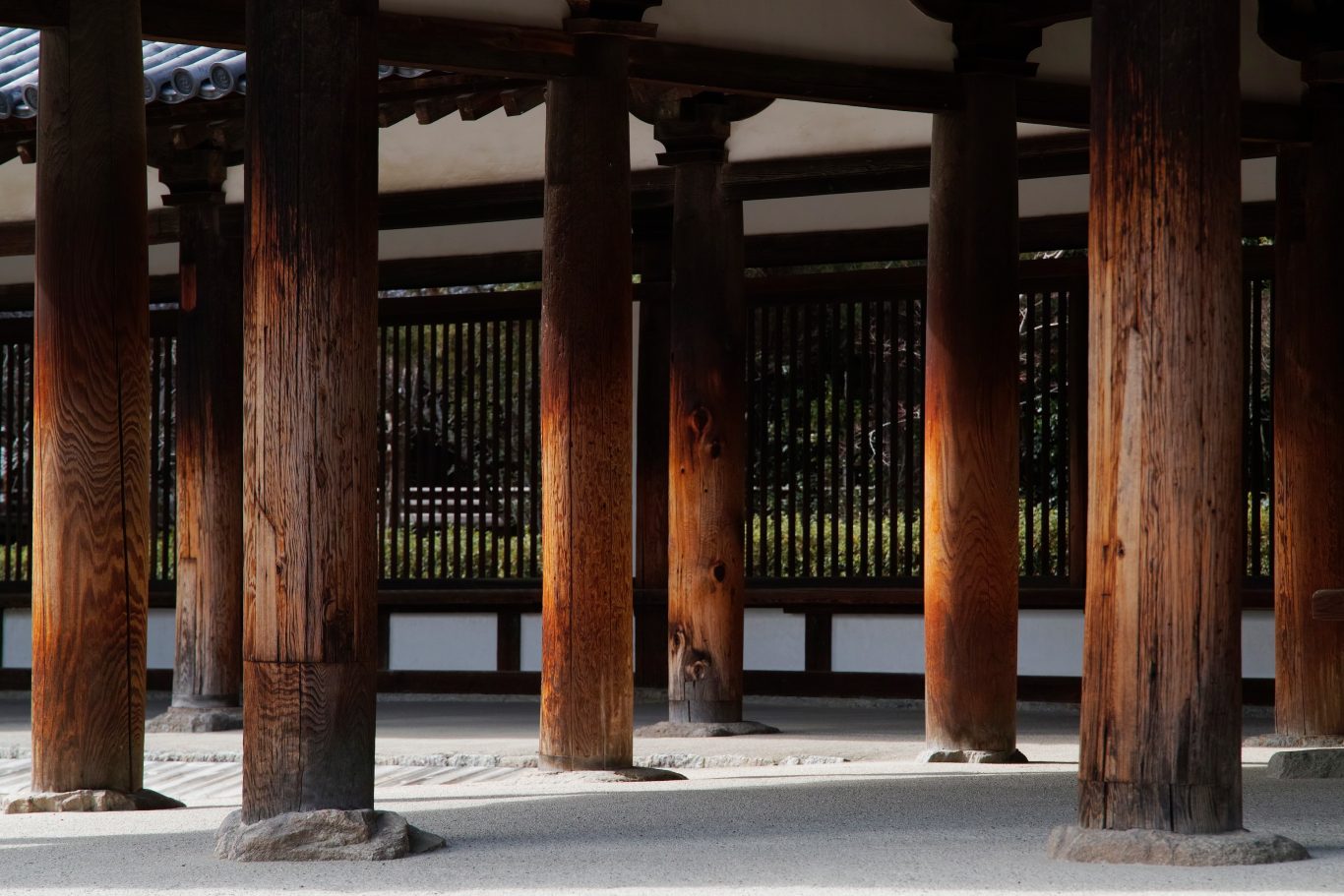
Timber from these long-growth cycles is prized for its strength, durability, and beauty, making it a sought-after material for cultural properties and high-end construction projects.
Sustainability and the Future of Yoshino Forestry
The “dense planting, repeated thinning, and extended growth cycle” system embodies a long-term vision, with planning horizons spanning centuries. This approach not only enhances the quality of the timber but also sustains the region’s ecosystem and forestry traditions.
Key Elements of Sustainability
- Generational Forest Management:
Supported by close collaboration between local mountain stewards (yamamori) and major landowners, this model enables multi-generational forest stewardship. Some forests have been managed by the same families for four generations. - Mixed Planting of Cedar and Cypress:
Yoshino forestry maintains biodiversity and flexibility by interplanting cedar and cypress, producing a variety of timber products to meet diverse market needs.
Conclusion
Yoshino Forestry’s distinctive methods represent a timeless synergy of nature and human ingenuity. The careful balance of dense planting, repeated thinning, and extended growth cycles yields some of the finest timber in the world, while preserving the forests for future generations.
Through meticulous care, local expertise, and a commitment to sustainability, Yoshino forestry continues to set the standard for premium timber production. Its legacy is a testament to the enduring value of thoughtful, long-term forest management.