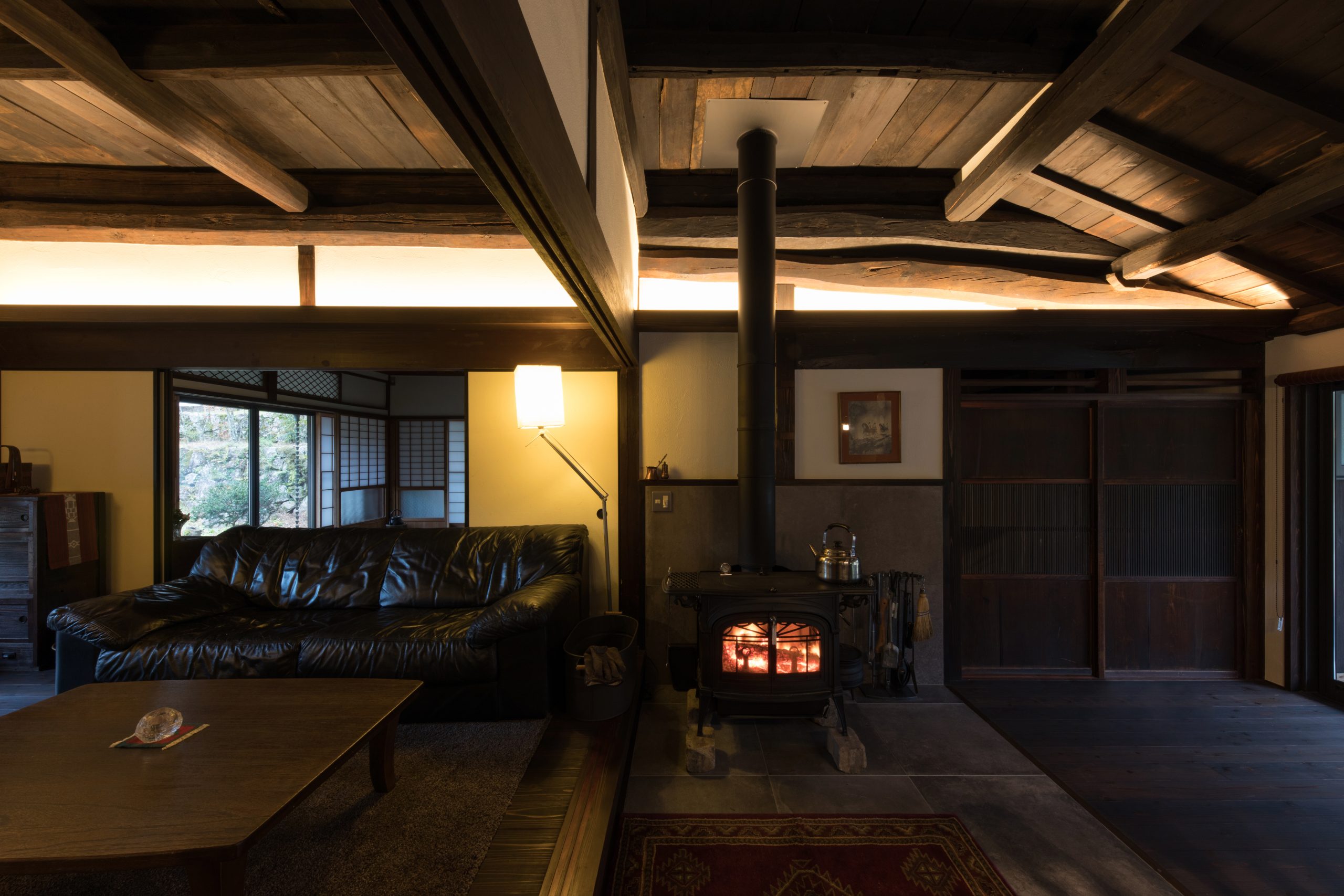
In the past, building a home was a monumental task—a reflection of resource scarcity, cultural values, and unparalleled craftsmanship. This article delves into the historical significance of home construction in Japan, the challenges faced, and the enduring value of wooden architecture in an era when wood was a treasured material.
Building a Home Was Once a Special Occasion
The Meaning of Home Construction
Over 100 years ago, building a home in Japan was far more challenging than it is today. Wood was an incredibly precious resource, and transporting or processing it required immense effort. While modern vehicles and machinery make wood transportation convenient, in the past, people relied on manpower, livestock, and waterways. These logistical challenges made homebuilding a rare and extraordinary endeavor, symbolizing dedication and resourcefulness.
Wood Was Invaluable: The Tradition of Reusing Timber
Reclaimed Timber in Traditional Homes
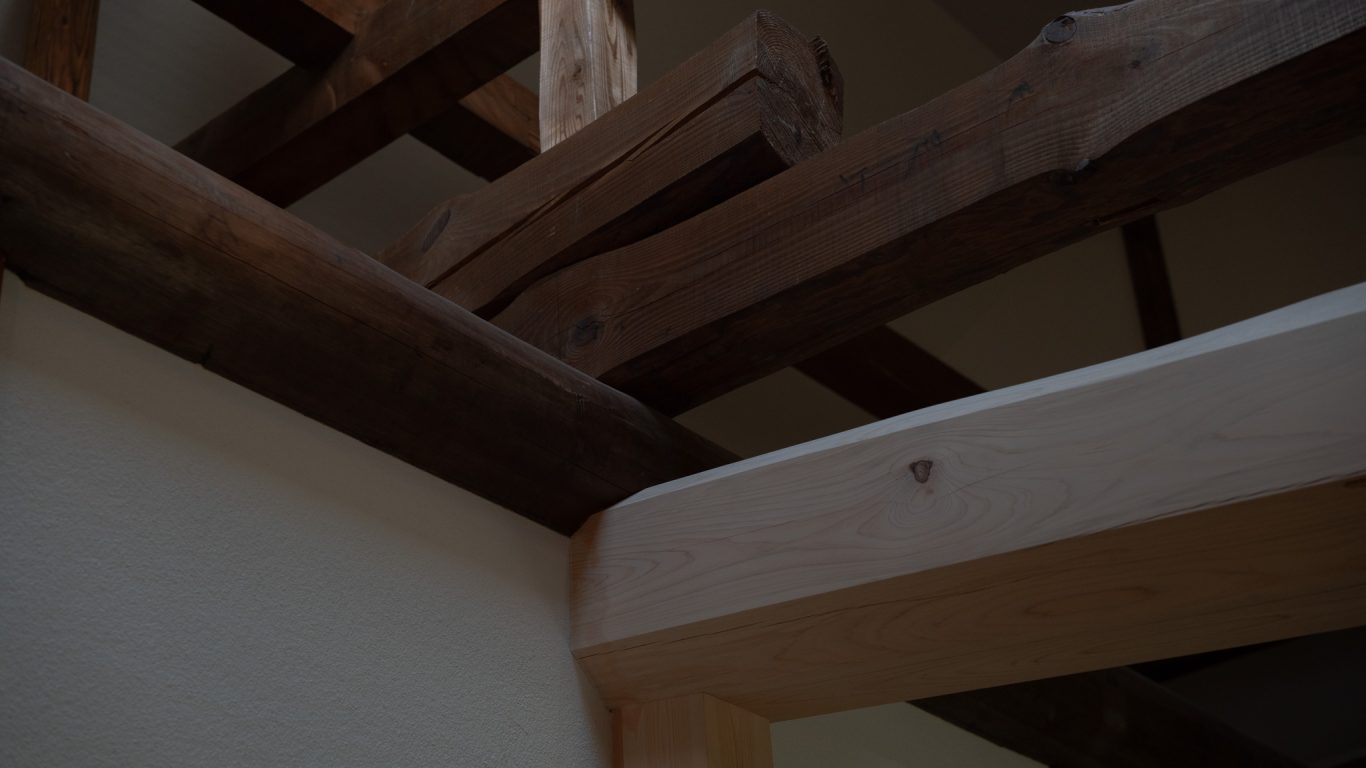
Studies of pre-war traditional Japanese homes reveal that much of the wood, particularly under the floors of the first level, was recycled. Reusing timber was common practice, as evidenced by the presence of haza-ana (mortise holes), remnants from previous constructions. These marks tell a story of sustainability and respect for materials.
Locally Sourced Timber
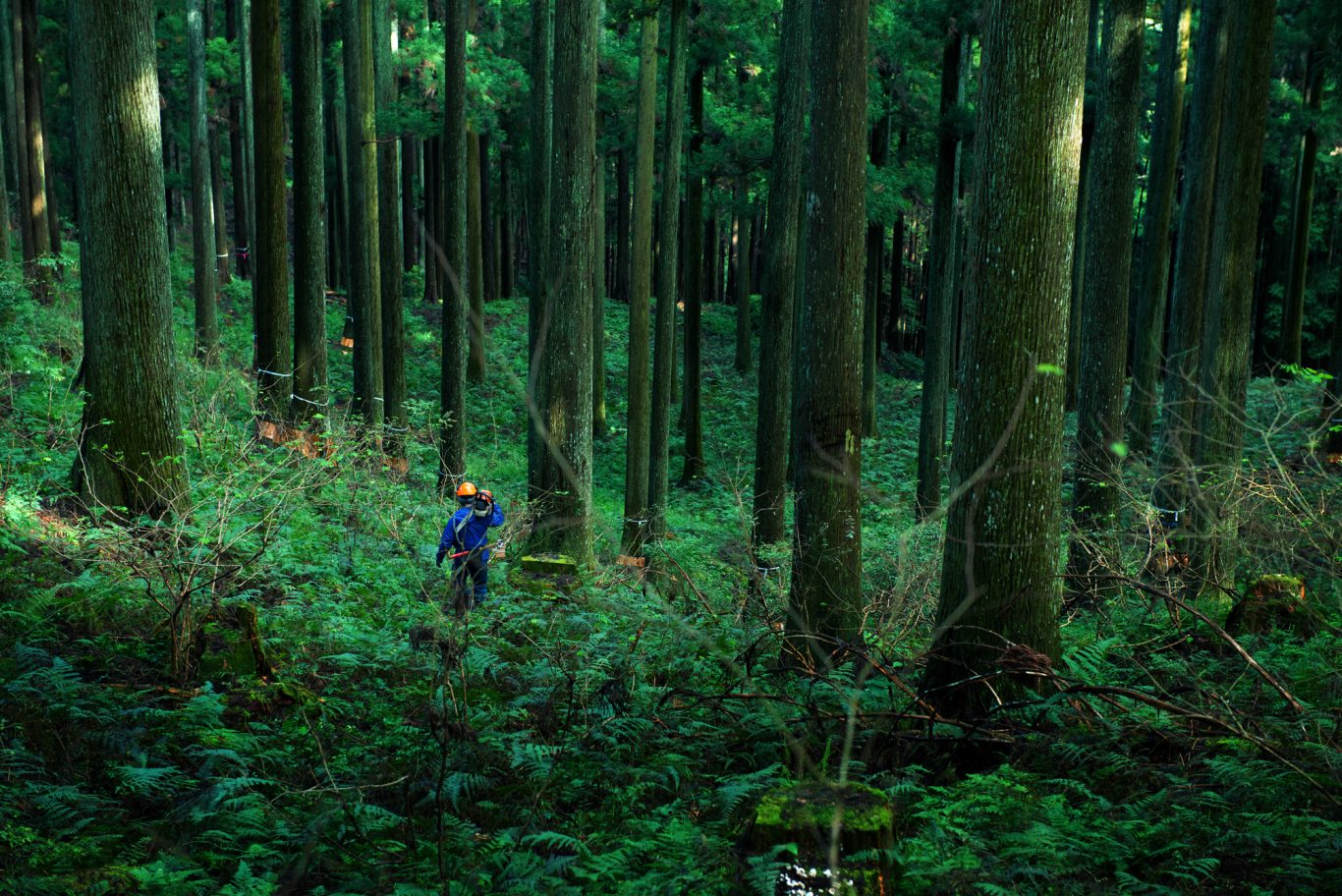
Historically, most timber used in construction was locally grown. Long-distance transport of wood was difficult, so communities relied on their regional forests. This localized approach meant that the wood’s value was deeply tied to the character and climate of its origin.
The Culture of Relocation: Moving Entire Buildings
Historic Relocation Examples
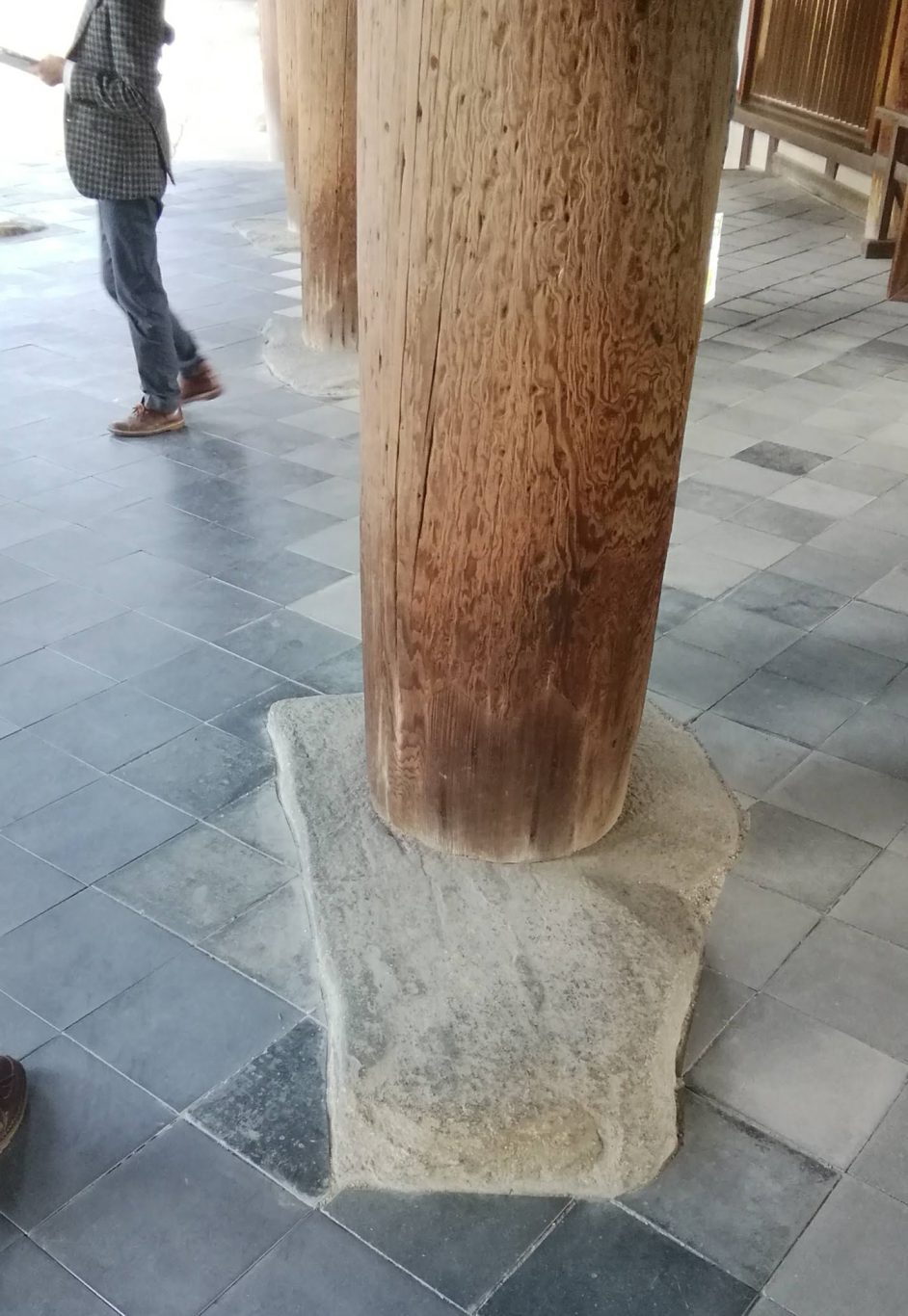
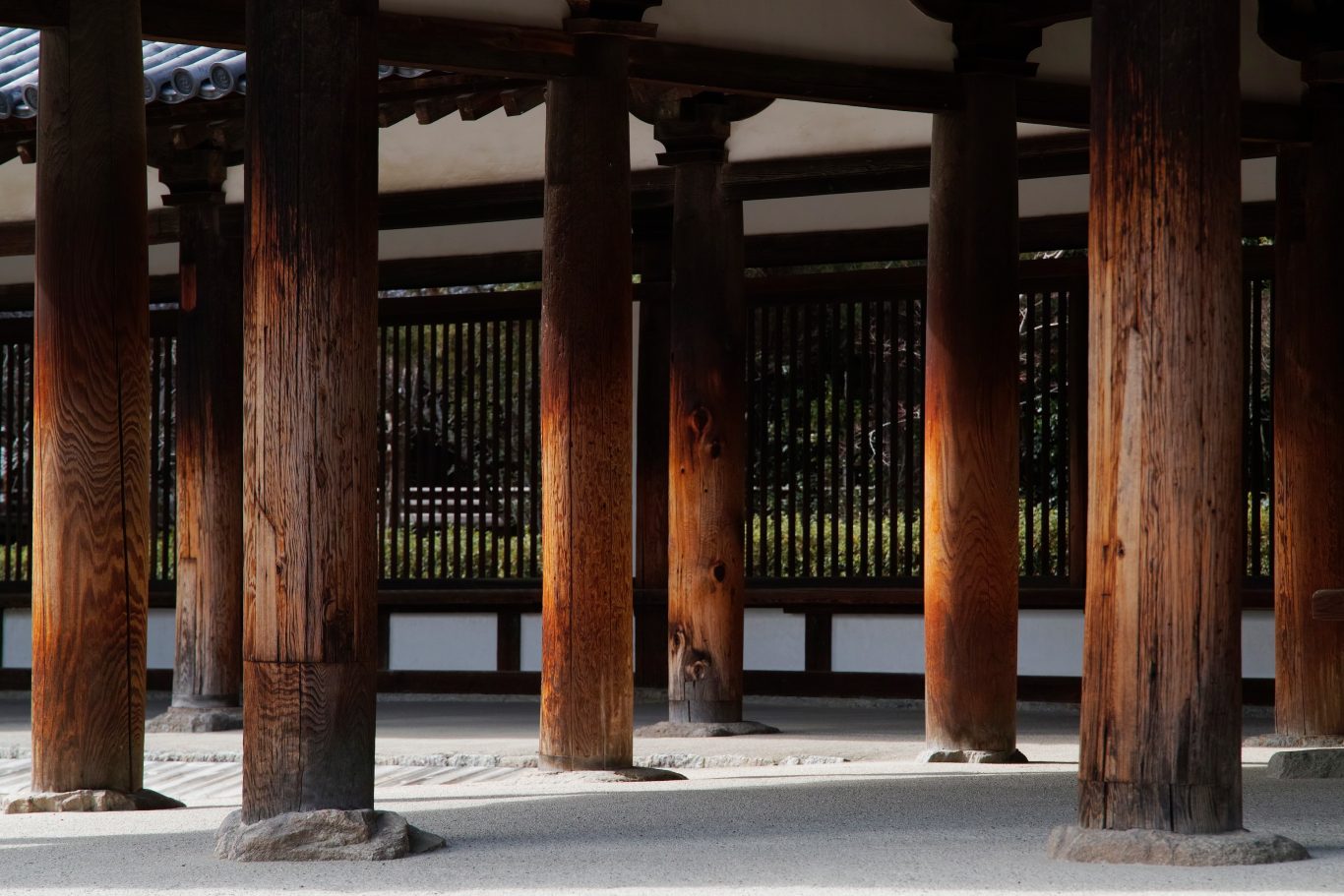
In old Japan, relocating entire structures (ichiku) was not uncommon. A prime example is the lecture hall at Tōshōdai-ji Temple in Nara, which was moved from Heijō Palace in the late 8th century and still stands over 1,200 years later. Similarly, the study at Kōtō-in Temple in Kyoto was relocated from the residence of tea master Sen no Rikyū. This tradition highlights a cultural mindset that valued preserving the essence of buildings through careful relocation.
Relocation Then and Now
Today, relocating a building is a complex and costly project. In the past, however, it was often a more practical and resource-efficient choice compared to building anew, as it conserved the precious timber and reduced the need for new materials. This practice demonstrated deep affection for and commitment to architectural heritage.
The Challenges of Transportation and Processing
Ingenious Methods of Transport
Without trucks or heavy machinery, moving timber required ingenuity. Rivers were often used for waterborne transport, while animals and human labor managed overland journeys. These methods demanded extraordinary effort, especially for long distances, underscoring the immense value placed on every piece of timber.
The Craft of Timber Processing
The profession of kibiki (sawyers) played a vital role in traditional construction. These artisans processed raw logs into manageable pieces directly at the source, making transport more efficient. Today’s sawmills fulfill this role, but in the past, it was an integral part of the building process.
Modern Advances vs. Historical Challenges
Lower Barriers to Home Construction
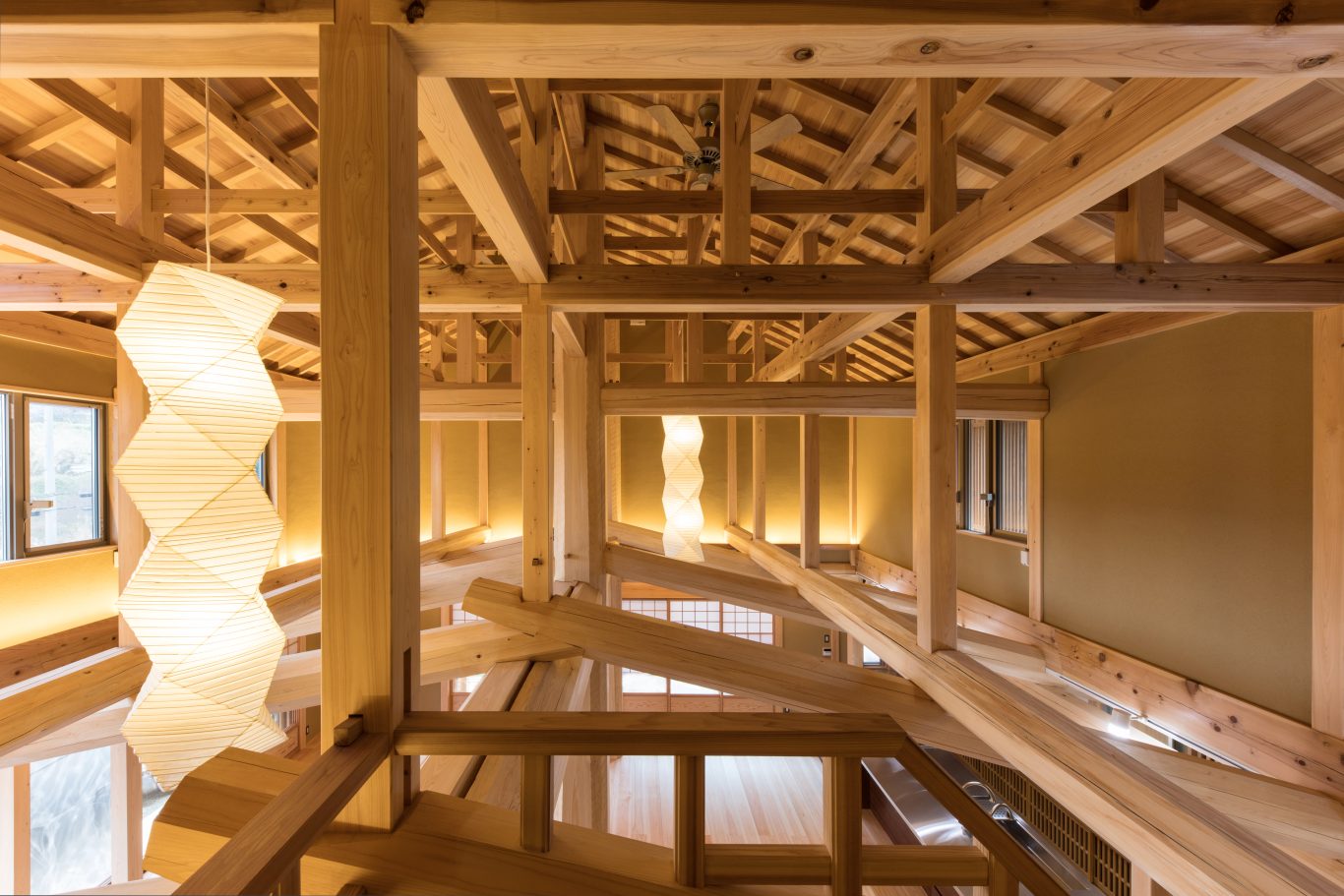
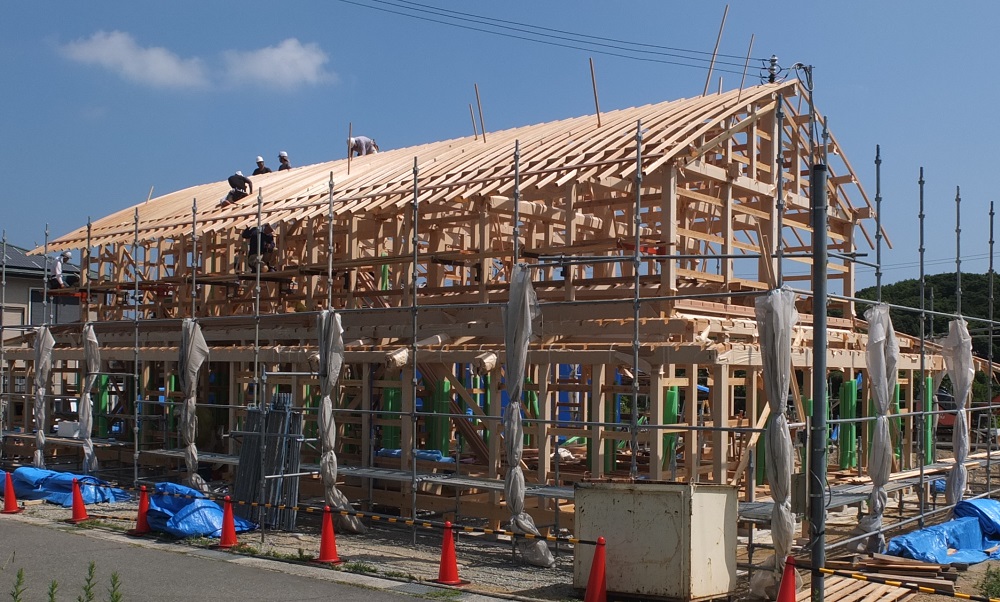
Technological advances have significantly reduced the difficulty of building homes. Heavy machinery, improved road networks, and mass production of materials have simplified construction. However, this convenience has also diminished the perceived value of individual structures, as homes are now easier to replace than to cherish.
The Timeless Growth of Timber
Despite technological progress, the natural growth of timber remains unchanged. High-quality timber suitable for pillars takes decades—sometimes over a century—to mature. This biological timeline cannot be expedited, reminding us of nature’s pace and the enduring value of wood as a resource.
Changing Family Dynamics and the Rise of Vacant Homes
Shrinking Household Sizes
A century ago, the average Japanese household consisted of around five people. Today, this number has halved to approximately 2.5. This shift has led to smaller homes and an increase in vacant houses, especially as post-war housing supply outstripped demand.
Population Decline and Housing Surplus
Japan’s declining population has exacerbated the issue of excess housing. With fewer occupants for an increasing number of homes, the problem of vacant properties reflects a dramatic shift from the scarcity-driven mindset of the past.
Rediscovering the Spirit of Homebuilding
In a time when building a home was a formidable challenge, it was also a profoundly meaningful act. From transporting timber to processing and constructing entirely by hand, every step reflected ingenuity, effort, and respect for the materials.
Today, while modern conveniences make homebuilding accessible, they risk overshadowing the cultural and historical values embedded in traditional methods. Revisiting the practices and philosophies of 100 years ago allows us to appreciate the deeper significance of wooden architecture and forestry, offering valuable lessons for the future.
By embracing this heritage, we can ensure that the wisdom and ingenuity of past generations are passed on to the next. Wooden architecture remains a testament to the harmony between human skill and nature, embodying a timeless legacy that deserves to be celebrated and preserved.
Hitoshi Sato(Architect / CEO of Mokuzo-architect COCHI)
Mokuzou-architect COCHI do not buy the timber for their construction-projects from timber-markets, instead going to the mountains to buy directly from their trusted mountain foresters. With the slogan "To leave the world a beautiful landscape for 300 years to come", the company builds beautiful and resilient houses using the best materials, techniques, and designs. To build awareness of the origins of these trees, grown and tended by many generations of Yamamori, Kochi has started a tour that connects the mountains with the people who live in these special wooden houses.