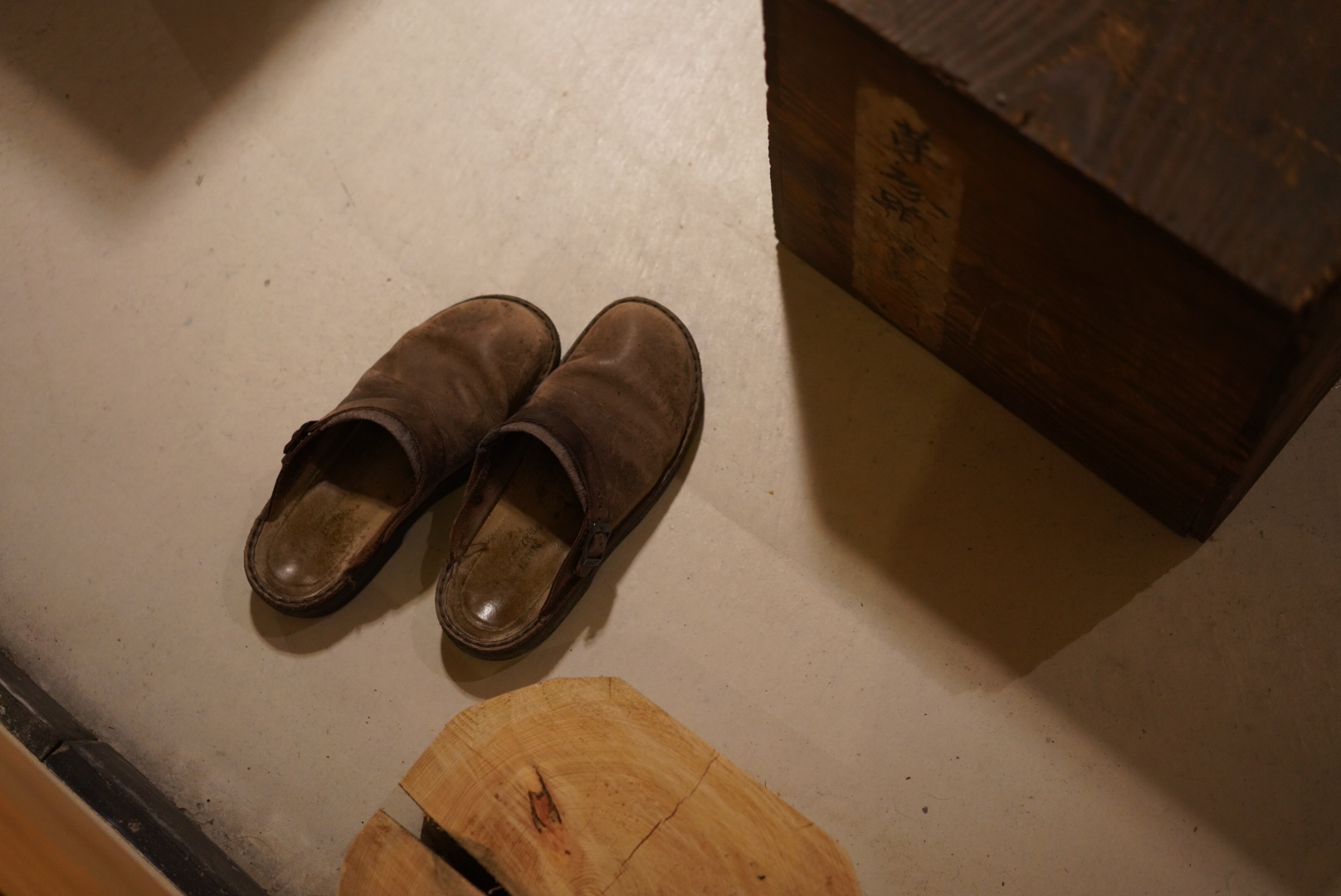
One of the defining aspects of traditional Japanese living is the custom of removing shoes before entering the house. While this practice is relatively rare worldwide, similar habits can be found in countries like Norway, Finland, and parts of Southeast Asia. Why do Japanese people remove their shoes indoors? This article explores five key reasons behind this culturally ingrained habit.
1. To Maintain Cleanliness in the Home
The most intuitive reason for removing shoes indoors is to keep the house clean. Shoes carry dirt, mud, and other debris from outside, which can easily soil the interior.
This emphasis on cleanliness extends to sacred spaces like temples and shrines, where visitors are also required to remove their shoes. In Japanese culture, the home is considered a sacred space, reflecting the same value of maintaining purity as religious sites.
2. To Honor the Divine Presence in the Home
Japanese homes often feature a kamidana (household Shinto altar) or butsudan (Buddhist altar) dedicated to deities or ancestors. Keeping these spaces clean and free of impurities is a sign of respect. Removing shoes before entering the home is one way of preserving the sanctity of these sacred spaces, reflecting a cultural belief in the spiritual significance of cleanliness.
3. To Avoid Bringing in Moisture and Mold
Japan’s high humidity and warm climate make moisture and mold significant concerns. Shoes worn outdoors can carry moisture into the house, creating an environment conducive to mold growth. By removing shoes at the entrance, Japanese households minimize the introduction of excess moisture, protecting the home from potential damage and health risks associated with mold.
4. Floor-Centric Living Practices
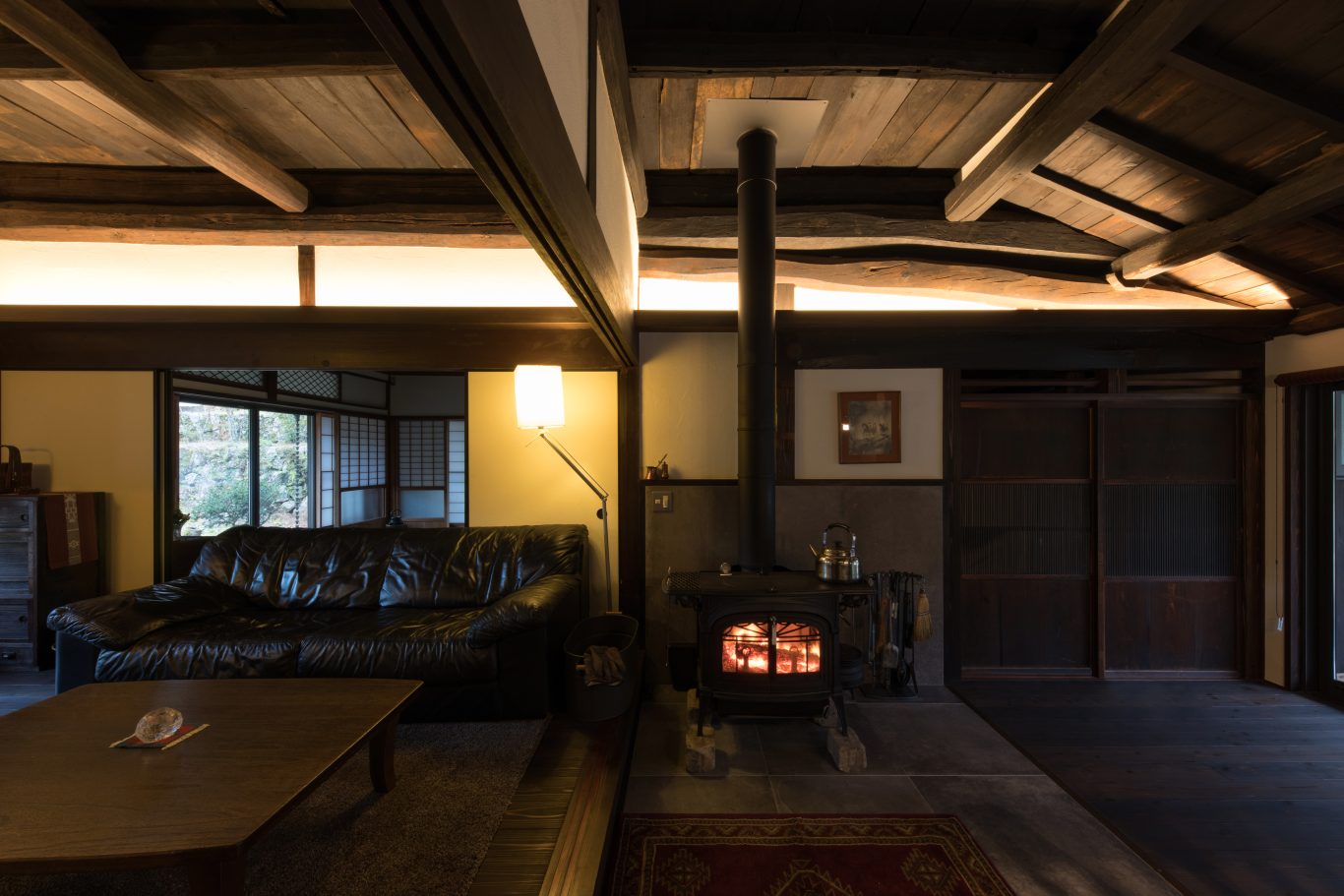
Traditional Japanese living involves a close relationship with the floor. Sitting directly on tatami mats, cushions, or the floor itself is a common practice, whether it’s for dining, relaxing, or socializing.
Wearing shoes indoors would not only make sitting on the floor uncomfortable but also dirty the surfaces on which people sit. This connection to the floor is a key factor behind the custom of removing shoes indoors.
5. To Keep the Sleeping Area Clean
In traditional Japanese homes, futon bedding is placed directly on the floor for sleeping. The cleanliness of the floor is therefore directly tied to the quality of sleep and overall health. Shoes can introduce dirt and dust that could compromise this cleanliness. Maintaining a clean sleeping environment by removing shoes is a practical solution rooted in traditional bedding practices.
Comparison with Nordic Customs
While Japan isn’t the only culture where people remove shoes indoors, the practice has different origins in other regions.
For example, in Nordic countries like Norway and Finland, the custom is driven by the need to manage snow, mud, and cold. However, their homes lack the distinct genkan (entryway with a step-down design) found in Japanese houses.
This difference reflects environmental factors: Nordic countries have fewer concerns about pests like termites, and their cooler, less humid climates reduce the need for raised floors and moisture control. Japanese homes, by contrast, are designed with elevated floors to combat humidity and protect against pests, further reinforcing the habit of shoe removal.
Conclusion
The Japanese custom of removing shoes indoors stems from a combination of cultural values, practical concerns, and environmental factors. Whether it’s to maintain cleanliness, respect sacred spaces, or ensure a healthy living environment, this simple habit reflects the Japanese emphasis on harmony with nature and thoughtful living.
By taking off their shoes at the door, Japanese people uphold a tradition that embodies respect, practicality, and a deep connection to their surroundings—a simple act that carries profound cultural wisdom.