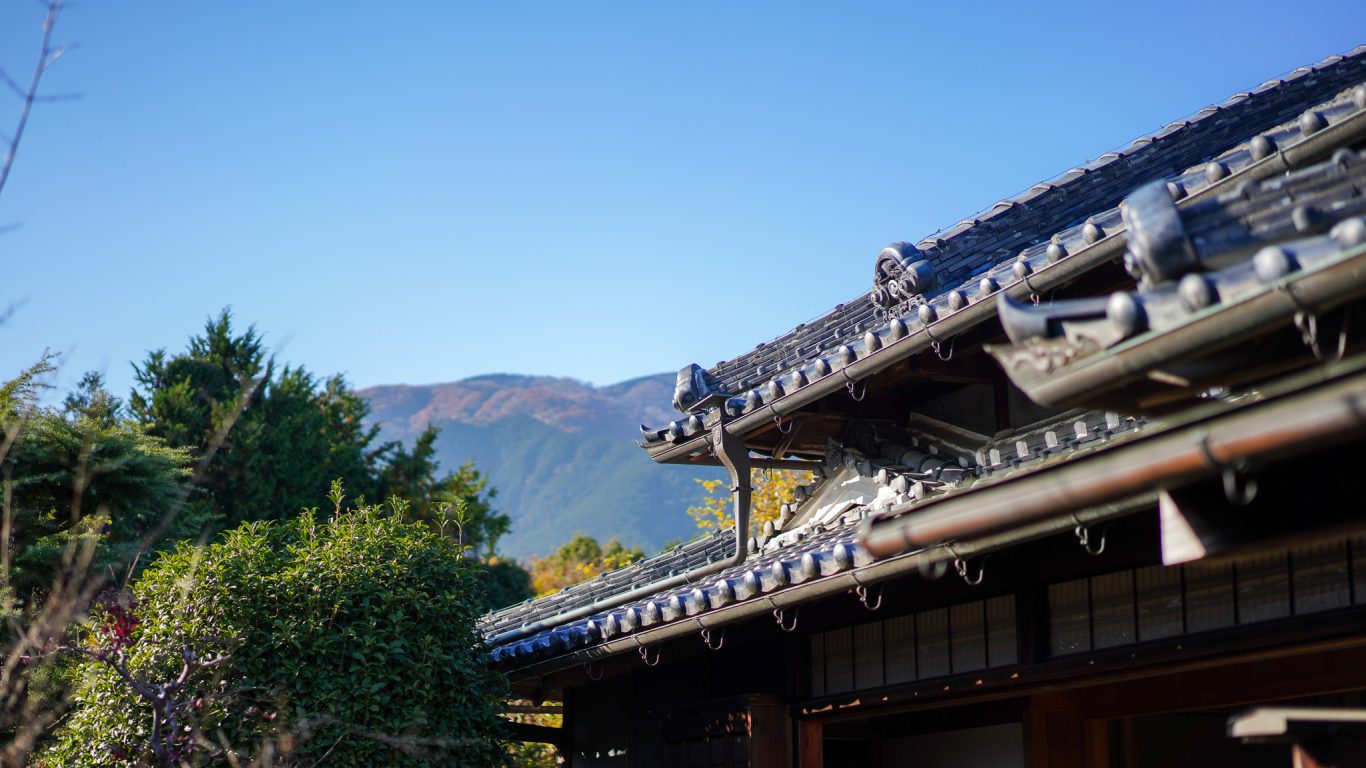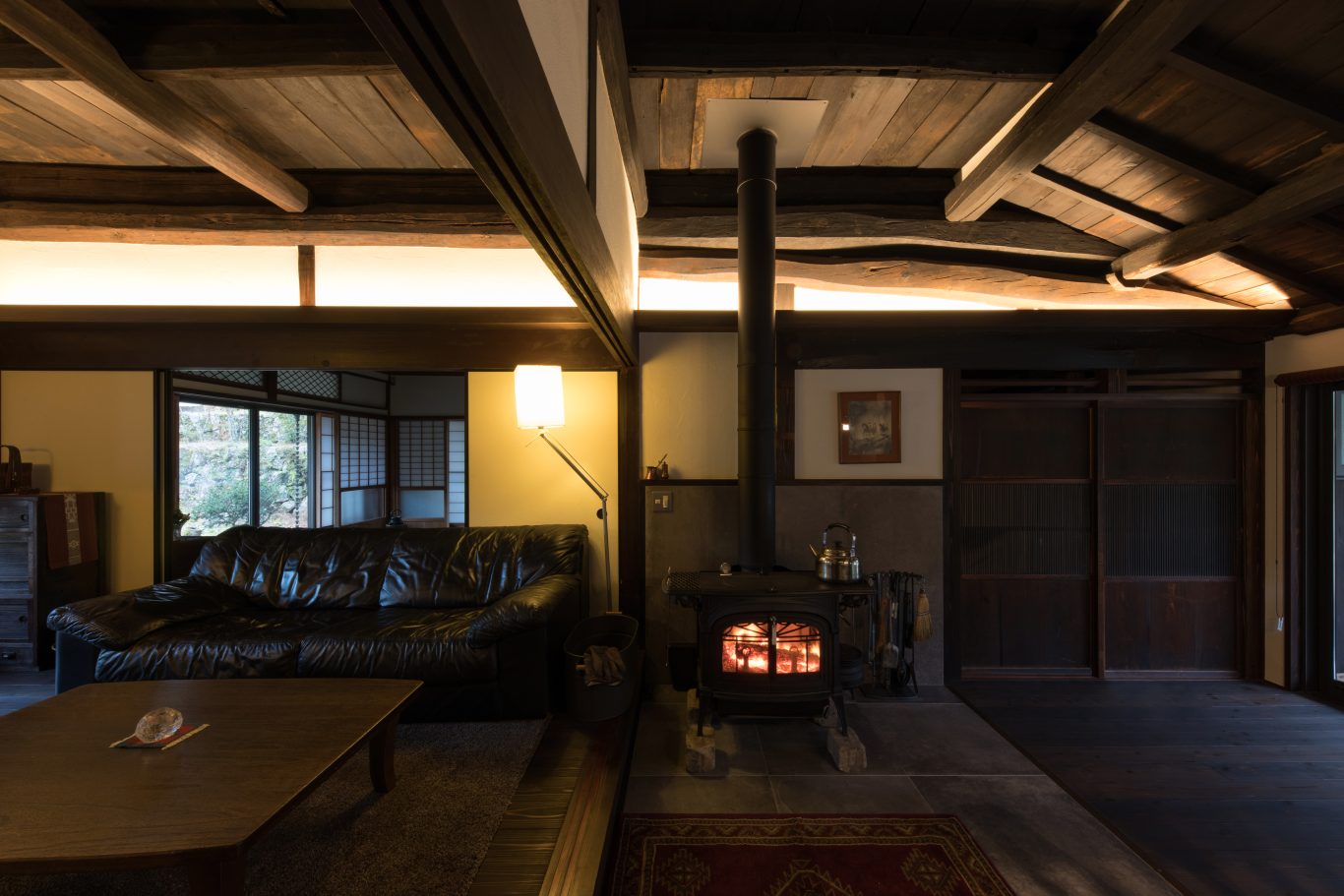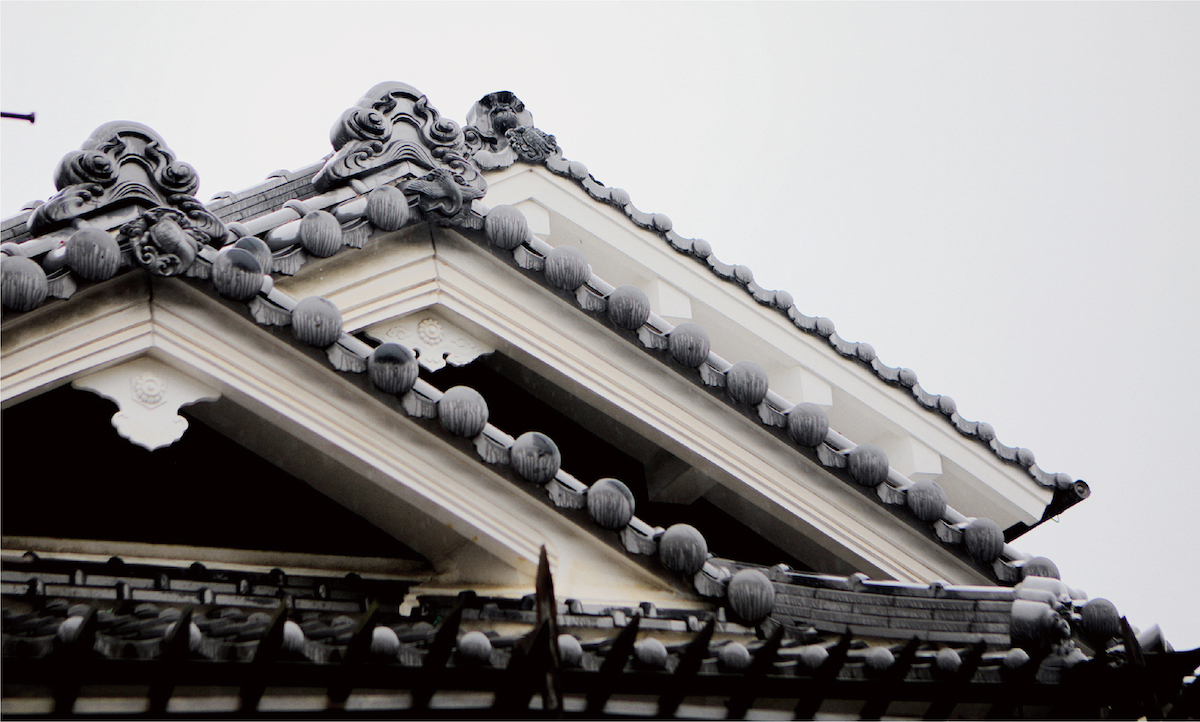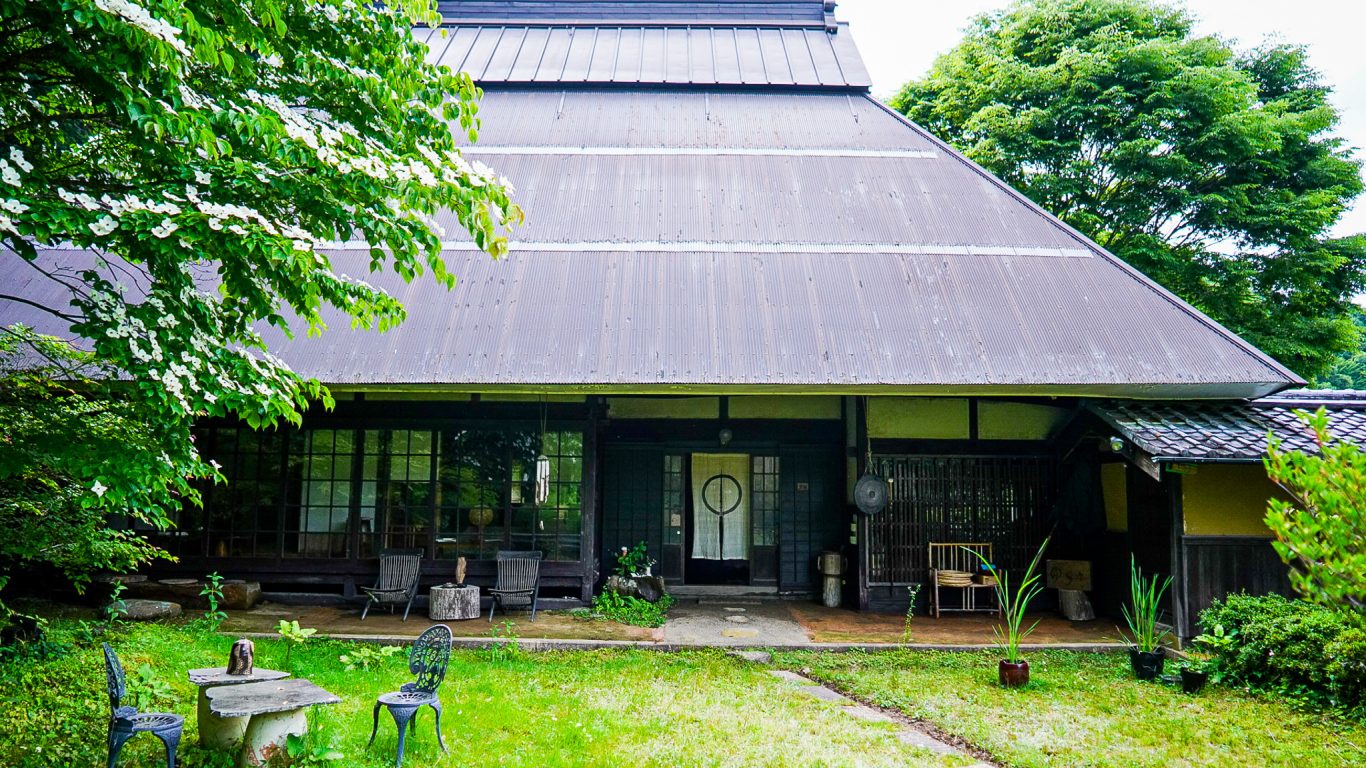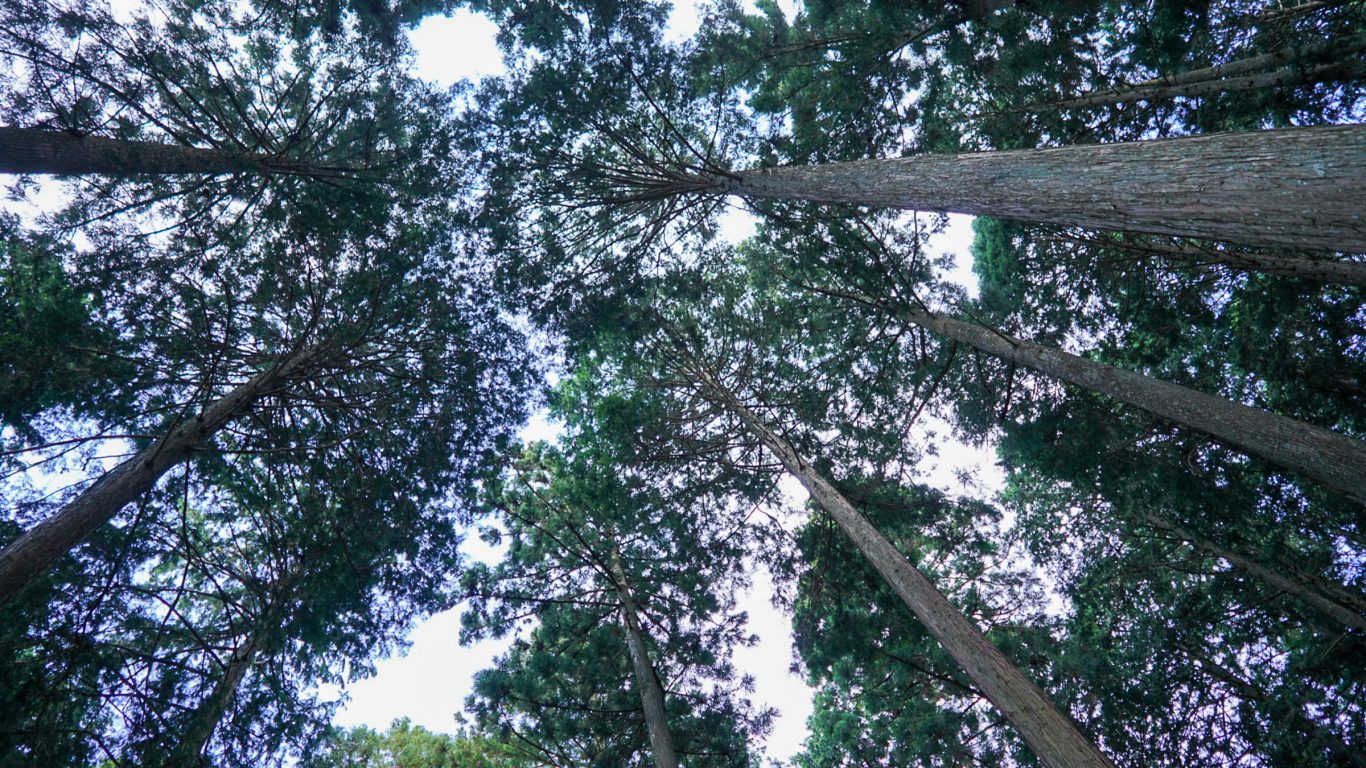
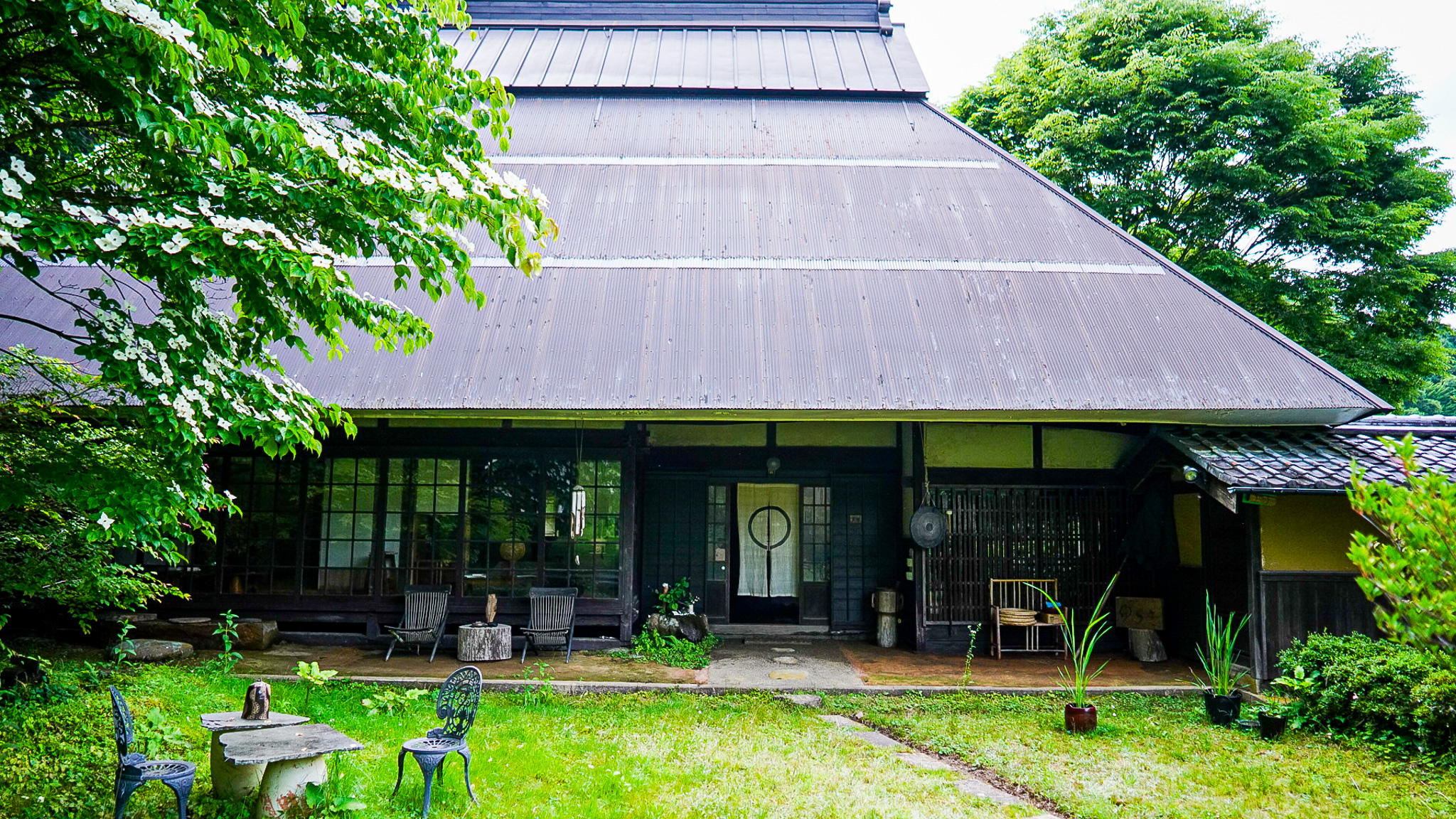
Japan is renowned for its frequent and powerful earthquakes, making it one of the most seismically active regions in the world. Despite this, Japan is home to a remarkable number of long-lasting wooden structures, many of which have withstood the test of time. From centuries-old temples to traditional farmhouses, these buildings embody a unique blend of engineering, cultural heritage, and historical stability.
Japan: A Seismically Active Land
The Earthquake-Prone Environment
Japan experiences frequent earthquakes due to its location on the Pacific Ring of Fire, where tectonic plates meet. The country is subjected to both inland earthquakes and massive subduction zone quakes, some of the most powerful on the planet. Despite these conditions, Japan is home to the majority of the world’s oldest wooden buildings.
The Global Hub of Ancient Wooden Architecture
A Concentration of Wooden Marvels
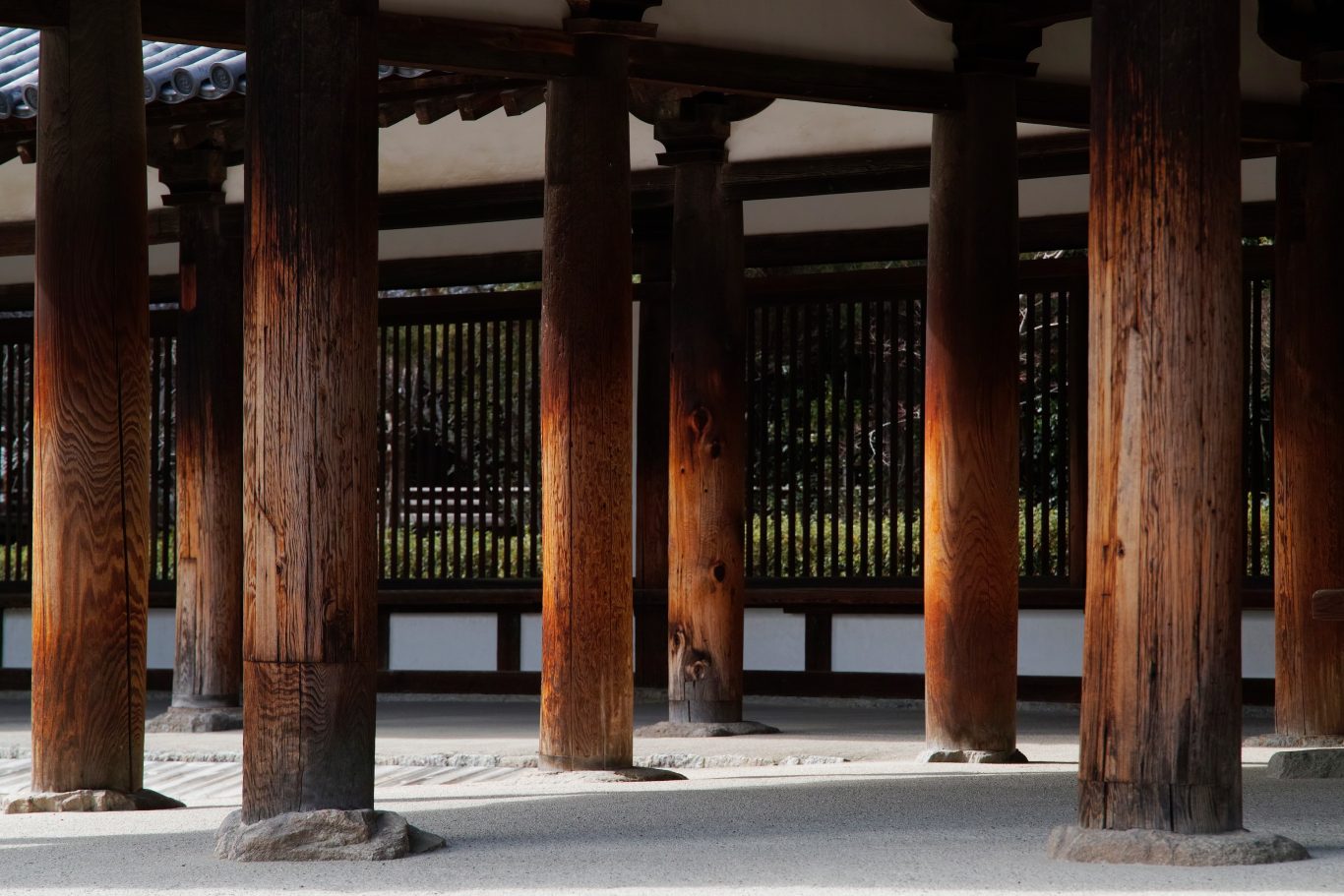
Japan, particularly Nara Prefecture, hosts many of the world’s oldest wooden structures, including the iconic Hōryū-ji temple. In fact, a significant majority of the top 20 oldest wooden buildings globally are located in Japan. This concentration stands in stark contrast to regions like Europe or the eastern United States, where ancient wooden architecture is notably scarce despite having far fewer earthquakes.
Why Wooden Structures Endure in Earthquake-Prone Japan
The Ingenious Ishibadate Construction Method
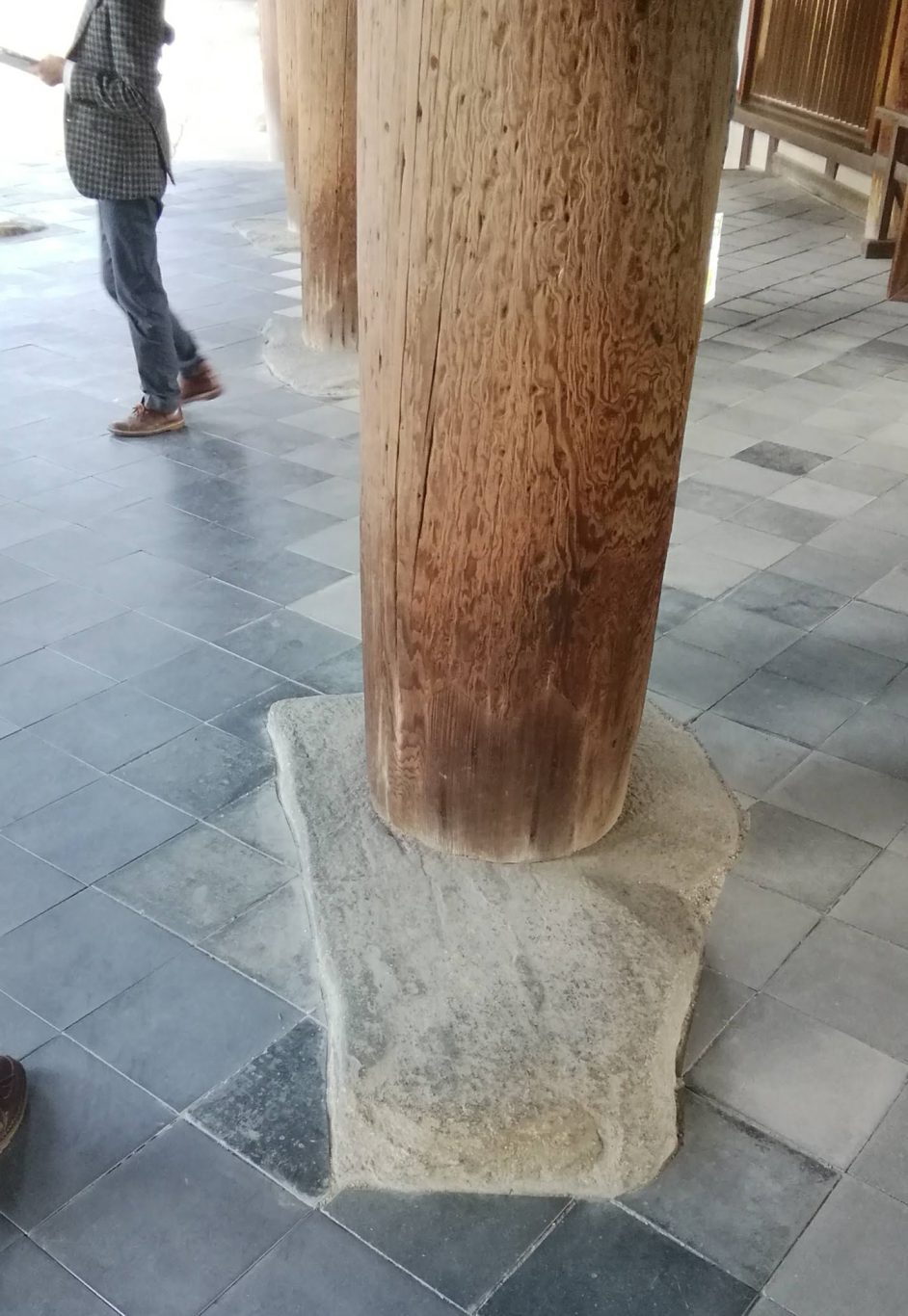
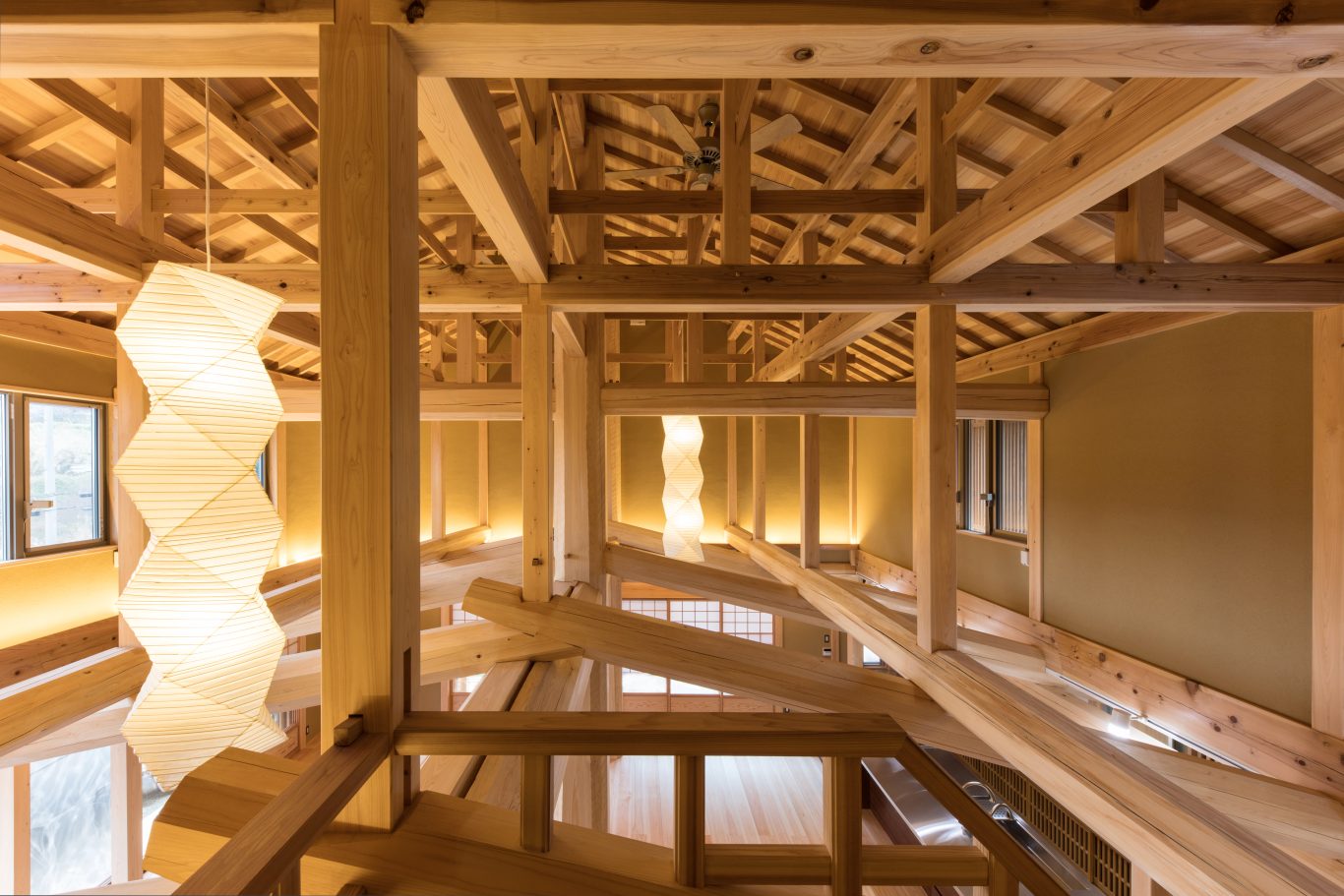
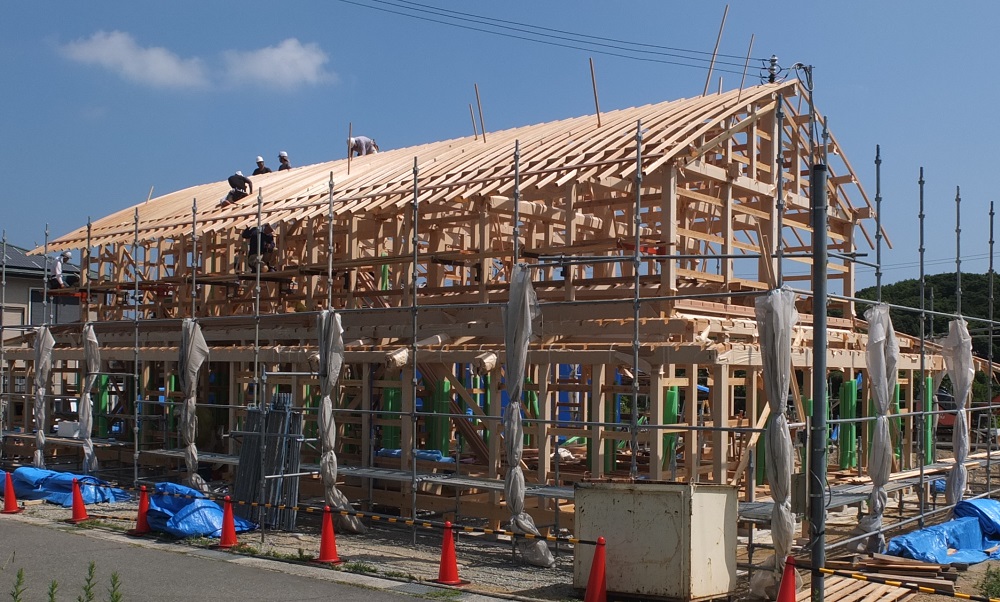
The ishibadate technique involves placing wooden structures on stone foundations without rigidly fixing them. This allows buildings to absorb and dissipate seismic energy effectively. High-rise wooden structures such as five-story and seven-story pagodas, many of which have survived centuries of earthquakes, exemplify this engineering prowess.
Notably, while fires and wars have claimed some wooden structures, there are no documented cases of pagodas collapsing solely due to earthquakes.
Exemplary Carpentry Skills
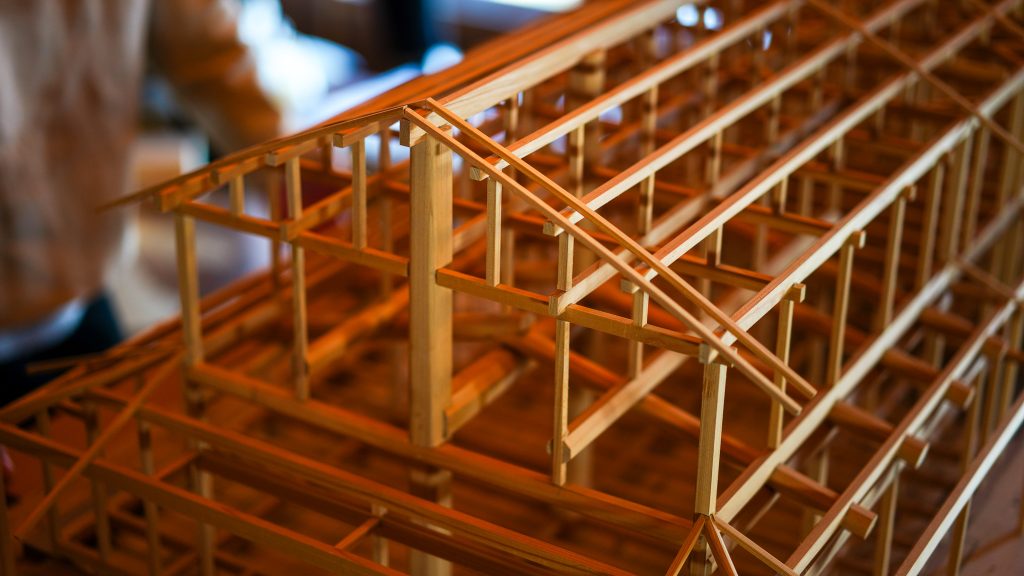
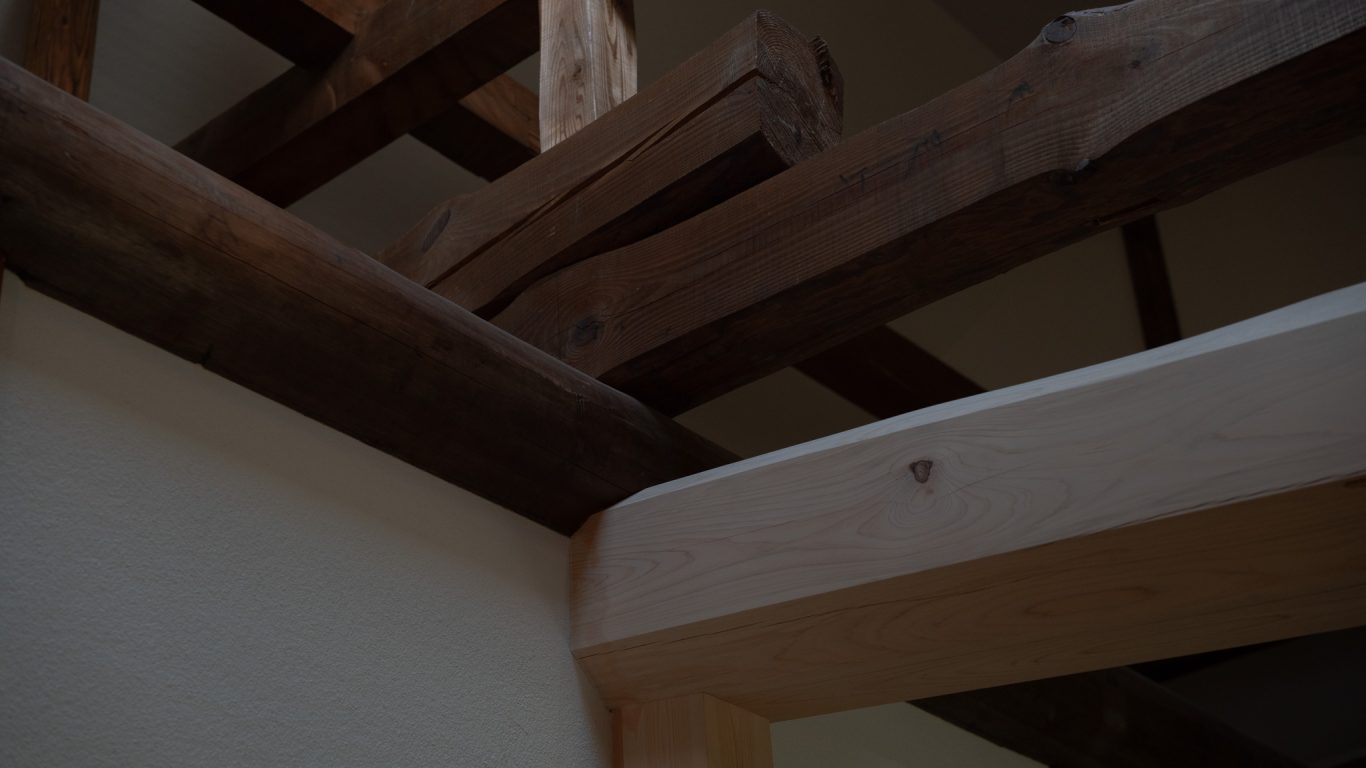
Japanese carpenters have long been renowned for their deep understanding of wood properties and their mastery of joinery techniques. These skills, established over 1,300 years ago, enabled the construction of earthquake-resistant structures. Modern scientific analysis has only recently begun to explain the principles behind their effectiveness.
Careful Wood Selection and Processing
The use of durable materials, such as akamizai (red heartwood) resistant to decay, and flexible timber helped balance durability with seismic resilience. The precise craftsmanship involved in processing and assembling these materials further enhanced their longevity.
Historical and Cultural Factors Behind the Concentration of Wooden Structures
A Stable Monarchy
Japan’s Imperial lineage, the oldest continuing hereditary monarchy in the world, has provided political stability for over 2,600 years. Unlike regions affected by frequent regime changes or religious conflicts, this stability contributed to the preservation of historic buildings.
Religious Significance
Most of the oldest wooden buildings are religious in nature, such as Buddhist temples and Shinto shrines. These structures are deeply tied to Japanese spiritual life and have been meticulously maintained as sacred sites.
Geographical Advantages
Japan’s insular geography protected it from large-scale invasions, reducing the risk of destruction from foreign conflicts. This isolation allowed many historic wooden structures to endure.
The Sustainability of Wooden Architecture
A Legacy of Resilience and Innovation
Japan’s wooden architecture exemplifies a symbiotic relationship between craftsmanship, cultural values, and environmental adaptation. The ability of these buildings to withstand earthquakes stems from a combination of technical ingenuity and cultural priorities.
Preservation for the Future
While these structures are a testament to Japan’s architectural heritage, they also pose a challenge: how can this legacy be preserved and utilized in a modern context? The continuation of these techniques and their integration with contemporary practices will play a key role in ensuring their survival.
The Challenge Ahead: Sustaining a Unique Heritage
Japan’s wooden architecture represents more than construction—it is a symbol of resilience, cultural identity, and spiritual dedication. As the country faces modernization and environmental changes, the responsibility lies with today’s architects, historians, and communities to carry this legacy forward.
Whether through restoration, innovation, or education, preserving Japan’s wooden architecture is crucial not only for its historical value but as a global model of sustainable, earthquake-resistant design.
By safeguarding these treasures, Japan can continue to inspire the world with its unique blend of tradition and engineering brilliance.
Hitoshi Sato(Architect / CEO of Mokuzo-architect COCHI)
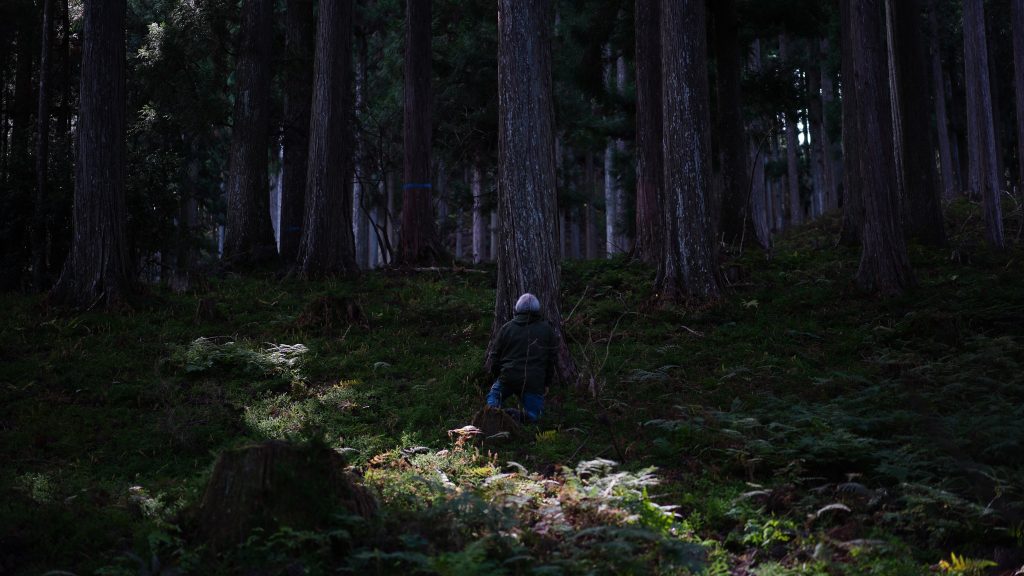
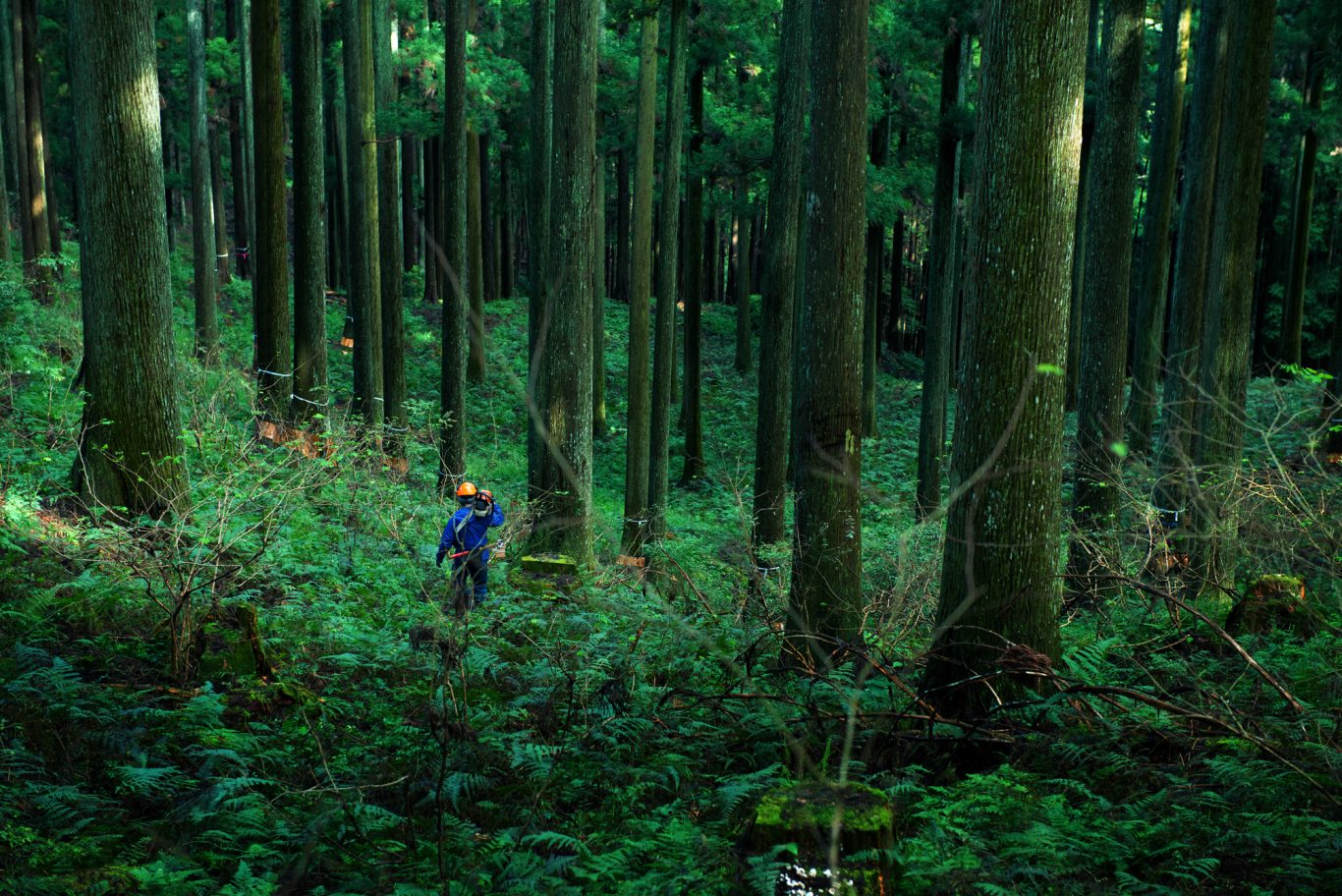
Mokuzou-architect COCHI do not buy the timber for their construction-projects from timber-markets, instead going to the mountains to buy directly from their trusted mountain foresters. With the slogan "To leave the world a beautiful landscape for 300 years to come", the company builds beautiful and resilient houses using the best materials, techniques, and designs. To build awareness of the origins of these trees, grown and tended by many generations of Yamamori, Kochi has started a tour that connects the mountains with the people who live in these special wooden houses.